Before the world has a shape
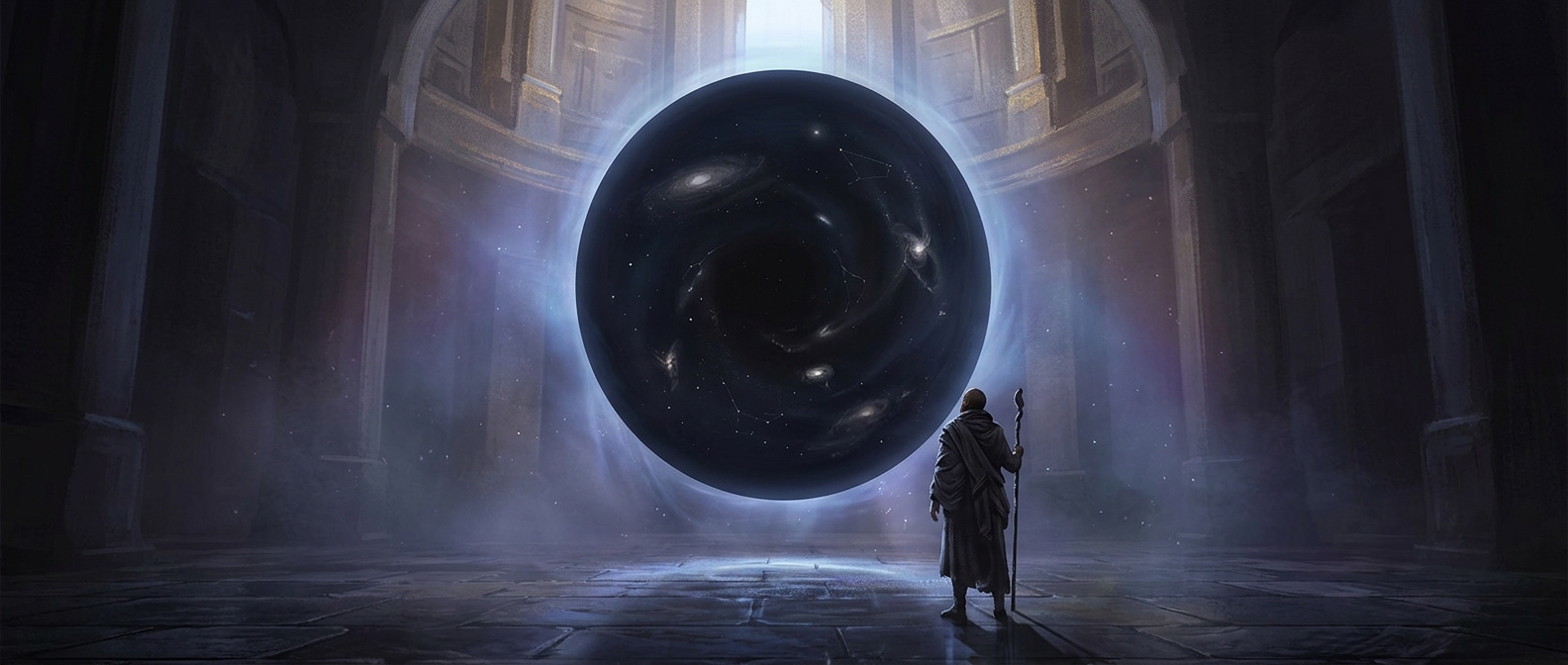
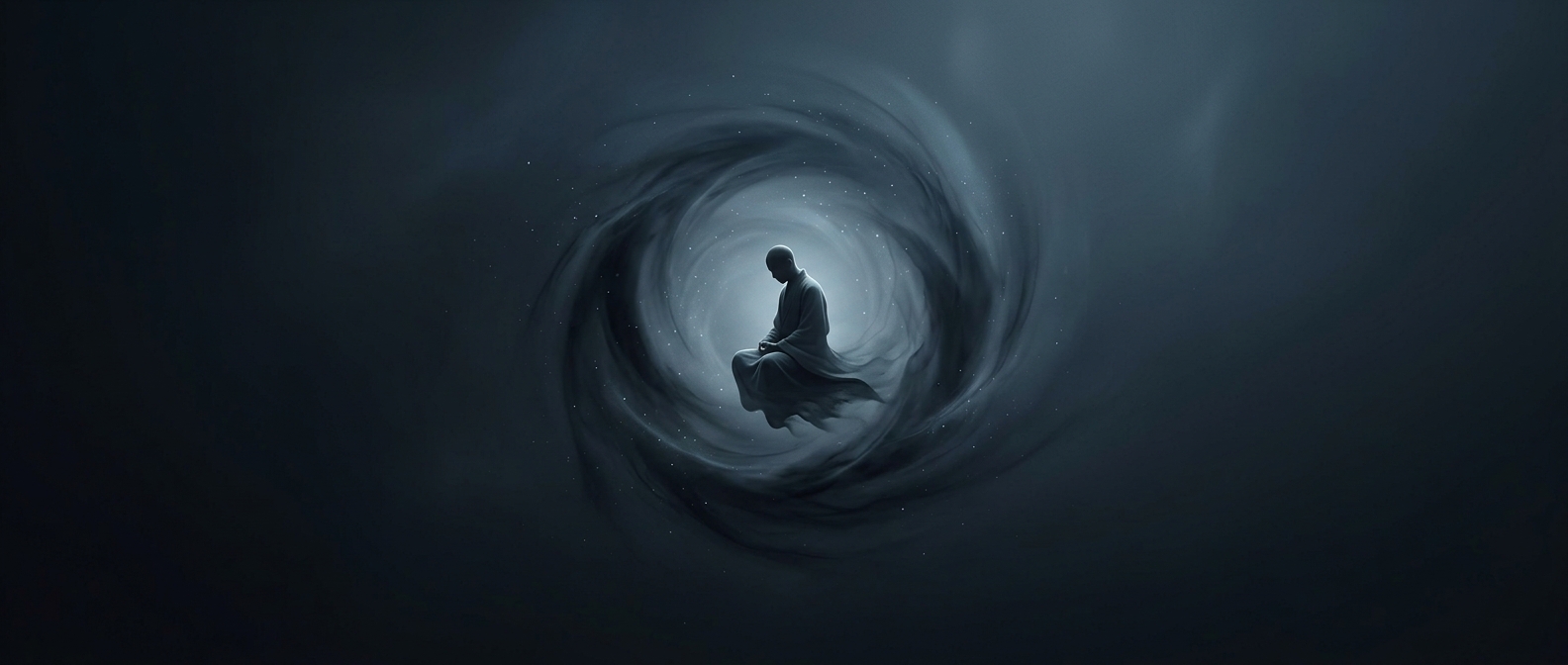
In Chinese cosmological thought, Wuji (無極) names a condition in which no distinctions have yet appeared. The word is often rendered as “without limit” or “boundless.” It does not necessarily mean a blank space or a literal substance called energy; it points to reality before it can be sorted into different forces, forms, or qualities.
That makes Wuji a way to describe undifferentiated possibility. There is no separate yin and yang yet, no contrast between dark and light or stillness and motion. Those familiar oppositions belong to the next stage of the account, not to Wuji itself.
From potential to distinction
In many explanations, Wuji is followed by Taiji, the “Supreme Ultimate,” from which the paired forces of yin and yang emerge. The sequence is conceptual rather than a clock measuring a moment in physical history: it shows how a unified reality can be understood as giving rise to patterns and contrasts.
The distinction matters because Wuji is not simply the opposite of an active, changing world. It is the undivided ground from which change and form become intelligible. Thinking in these terms shifts attention from individual things to the transition that makes things—and their differences—possible.