When a Banknote Reaches the End of Its Life
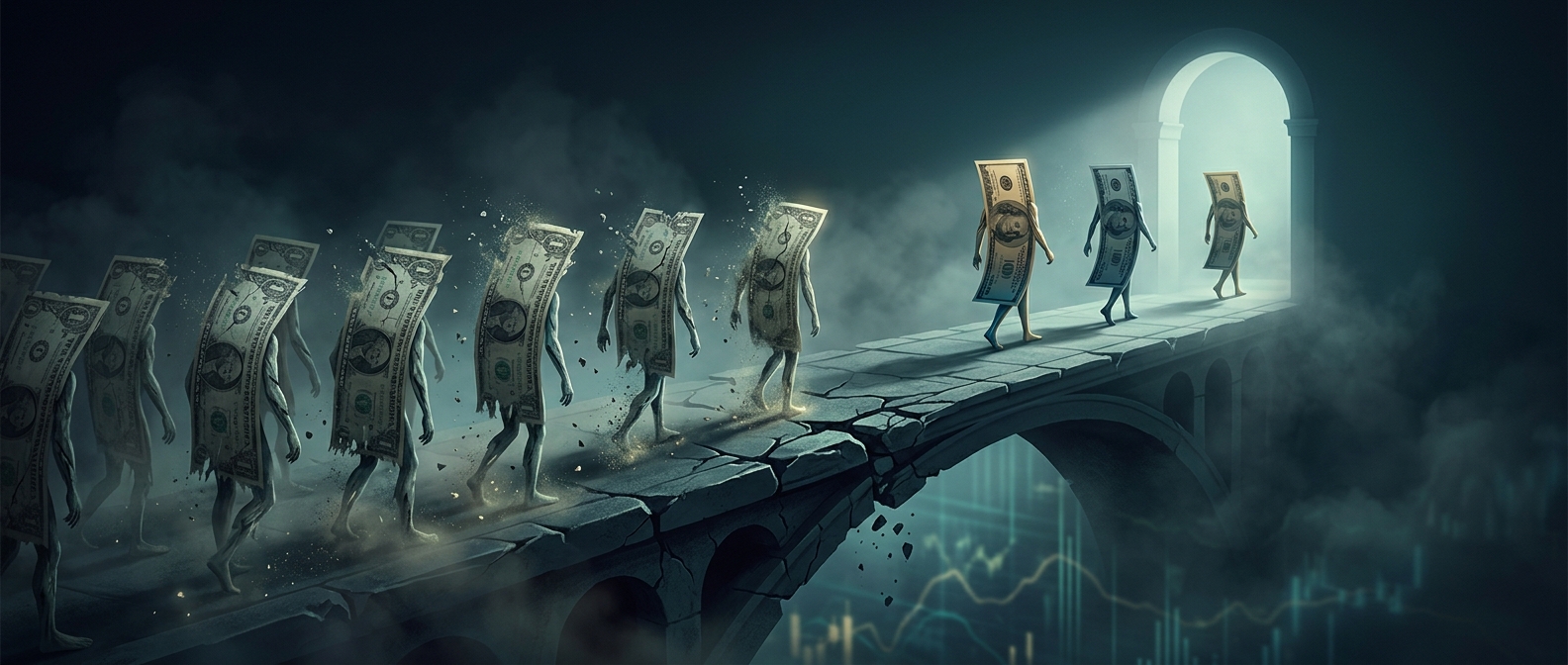
Paper money wears out in circulation. It gets torn, stained, or so badly damaged that shops and banks cannot reliably handle it. A central bank or other issuing authority removes such notes from use and replaces them with new ones. That keeps battered bills from being mistaken for valid cash and helps the public trust that a note can be checked and counted consistently.
From Cash to Waste Material
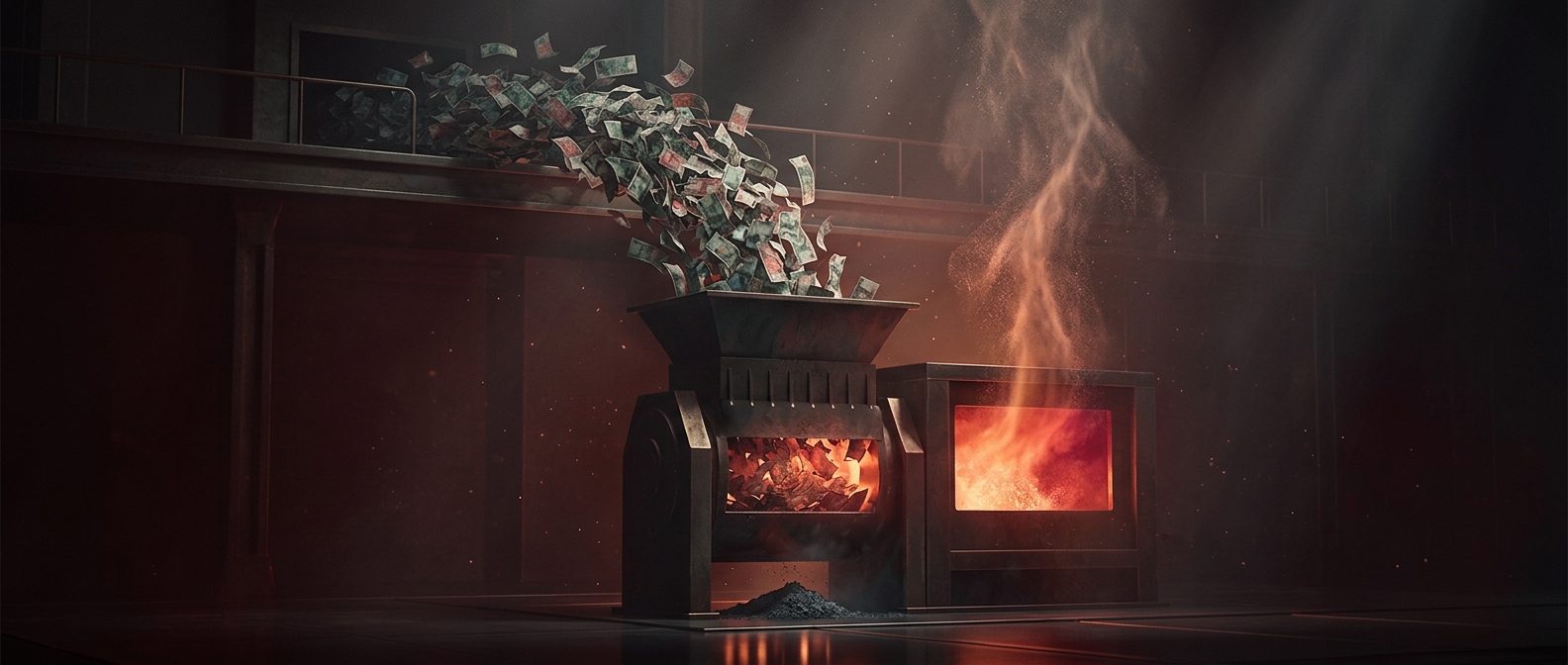
Before destruction, notes are typically counted and checked so the authority can account for the currency being withdrawn. Then machinery cuts them into small fragments. Shredding makes it impractical to piece the notes back together and spend them again; it also reduces bulky stacks of paper to material that is easier to handle.
The fragments still have uses, but no longer as money. Depending on the system, they may be burned for energy or pressed into blocks and turned into keepsakes. In either case, the value comes from disposing of the material or making an object—not from the denomination printed on the scraps.
Why Destroy Rather Than Reuse?
A worn banknote is not like an ordinary sheet of paper that can simply be put back into circulation after repair. Its security features and physical condition matter: machines and people need to recognize genuine notes, and damaged bills can be hard to verify. Destroying them provides a clear break between money that is still valid and money that has been withdrawn.
That is the small irony behind a souvenir made from shredded cash: the paper may remain, but the authority that gave it purchasing power has deliberately taken that power away.