Why a $2 Bill Feels Rarer Than It Is
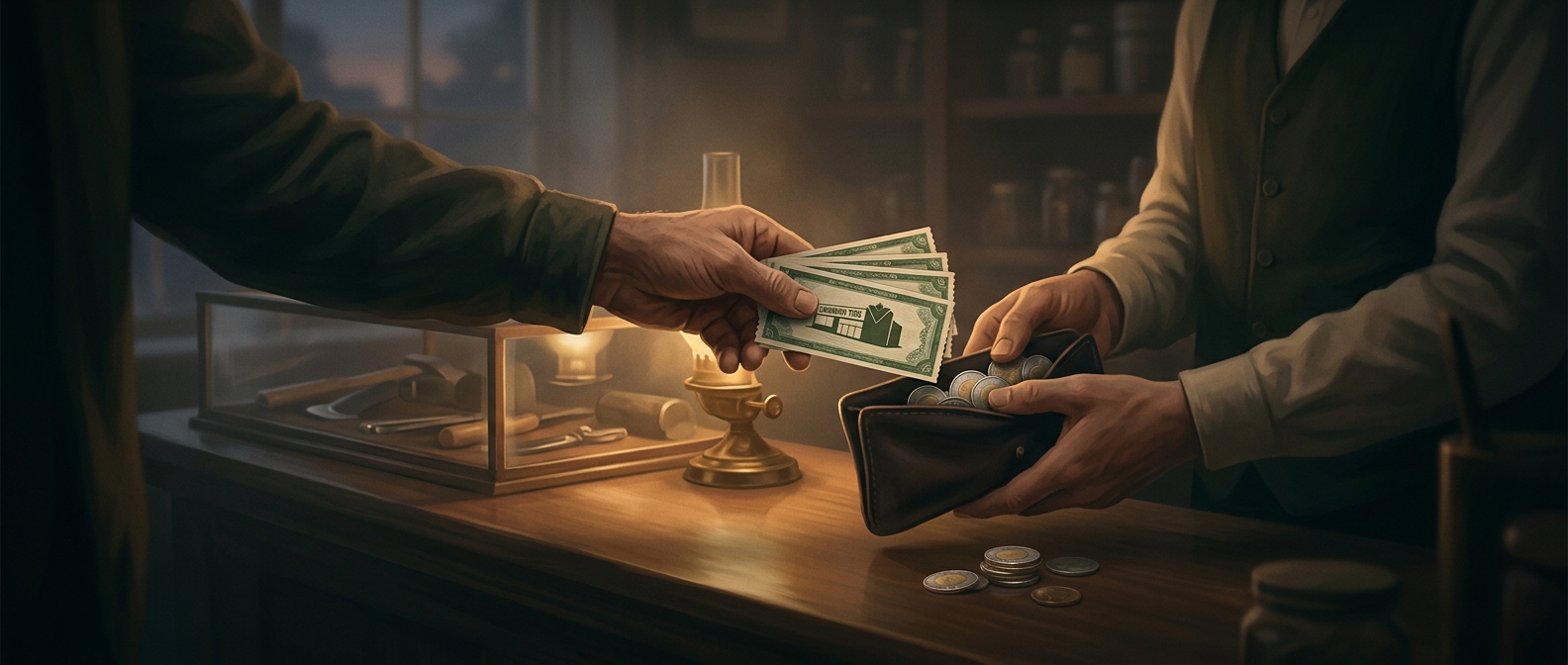
A two-dollar bill occupies an awkward place in everyday cash use. It can replace two one-dollar bills, but shoppers and cashiers are more accustomed to handling ones and fives. When a $2 bill shows up, its unusualness can make it feel less like ordinary spending money and more like a keepsake.
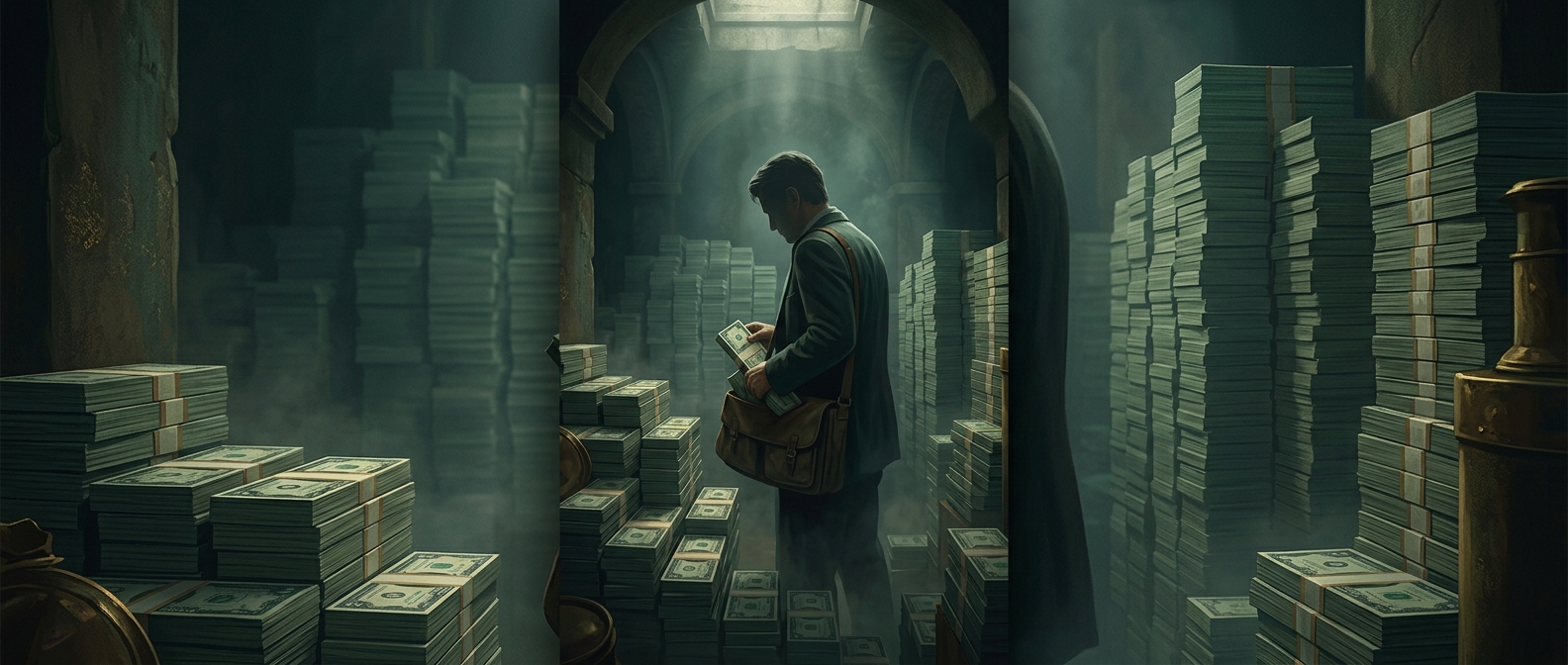
That reaction creates a small feedback loop: people save the bills because they rarely see them, and they rarely see them partly because other people save them. Bills tucked into drawers, wallets, or collections are still money, but they are temporarily out of circulation—so each one passed at a store stands out even more.
Novelty Is Not the Same as Scarcity
A bill can be uncommon in daily transactions without being valuable or exceptionally rare. The Treasury’s continued printing supplies the denomination, but printing alone cannot make every note visible in shops: where cash goes depends on what people request, spend, and hold onto.
For collectors, condition and particular features can matter, as with other currency. But simply owning a $2 bill does not make it a collectible worth more than its face value. The practical consequence of hoarding is more modest: a note intended to buy something instead becomes a tiny personal souvenir, helping preserve the very scarcity that makes it feel special.