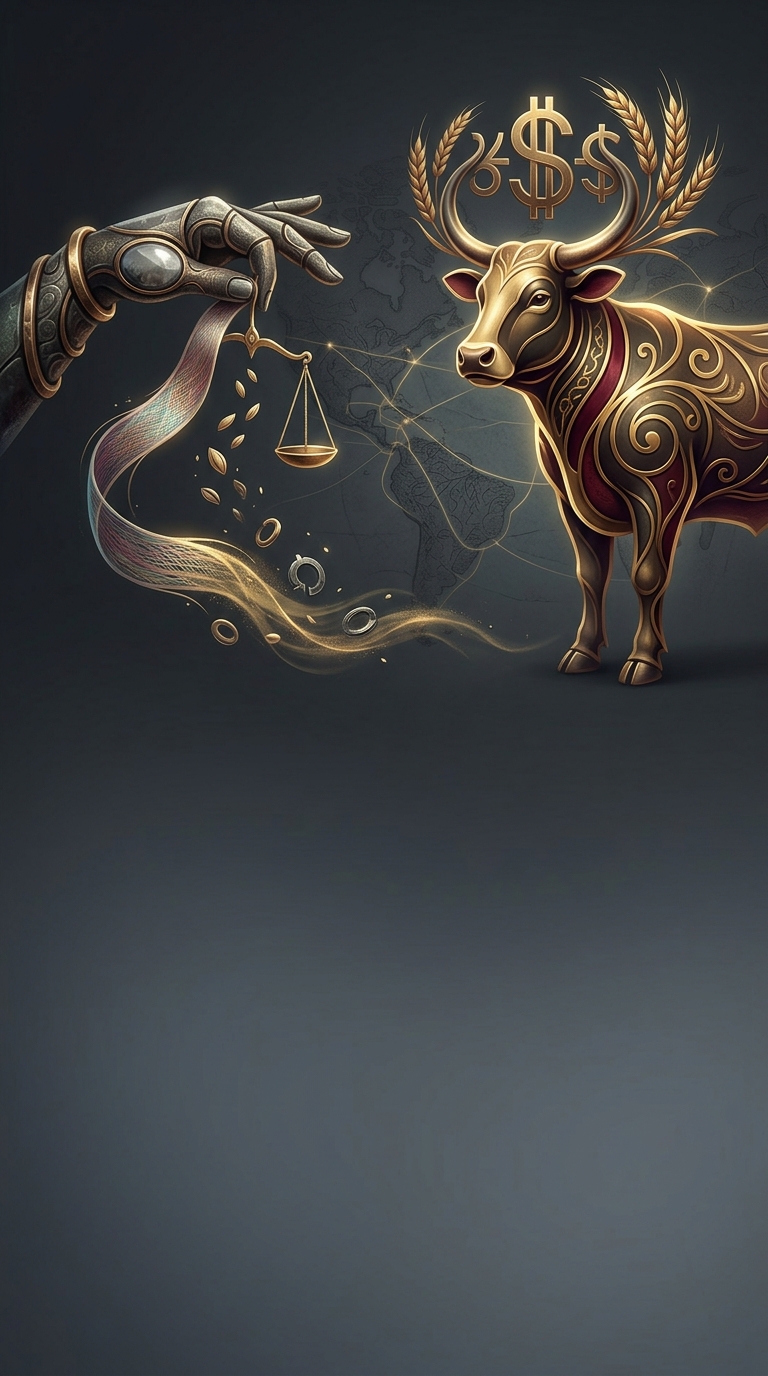
Why Livestock Could Stand In for Money
Before standardized coins, a valuable animal could settle an obligation because people could recognize what it was worth and use it after the exchange. Cattle, sheep, and other livestock were not merely possessions: they supplied food, materials, labor, and offspring. A herd therefore represented both present resources and the possibility of future wealth.
In communities where animals were familiar measures of value, they could help price goods or services and transfer wealth between households. The exchange did not always mean handing over a whole animal; livestock could also serve as a reference point for what was owed. This made wealth legible without requiring a government-issued token.
The Tradeoff: Valuable, but Hard to Carry
An animal could reproduce and remain useful, advantages a piece of metal did not have. But livestock was an awkward medium of exchange. It needed food and care, could fall ill or die, and could not be divided neatly to make small payments. Its value also depended on condition and local needs.
Those limits help explain why societies adopted other ways to record and transfer value. Coins were easier to carry, count, and divide, while written accounts could track debts without moving a herd. Livestock did not have to disappear from economic life for these systems to become useful; it simply became less convenient for many everyday transactions.
A Word That Kept the Connection
The Latin pecus, meaning livestock or cattle, is the root of pecuniary, a word relating to money. The linguistic survival hints at an older economic logic: in a world without coins, wealth could be counted in living things that fed, worked, and multiplied. But a herd’s very usefulness also made it a costly thing to spend.