When a Coin Stops Being Money
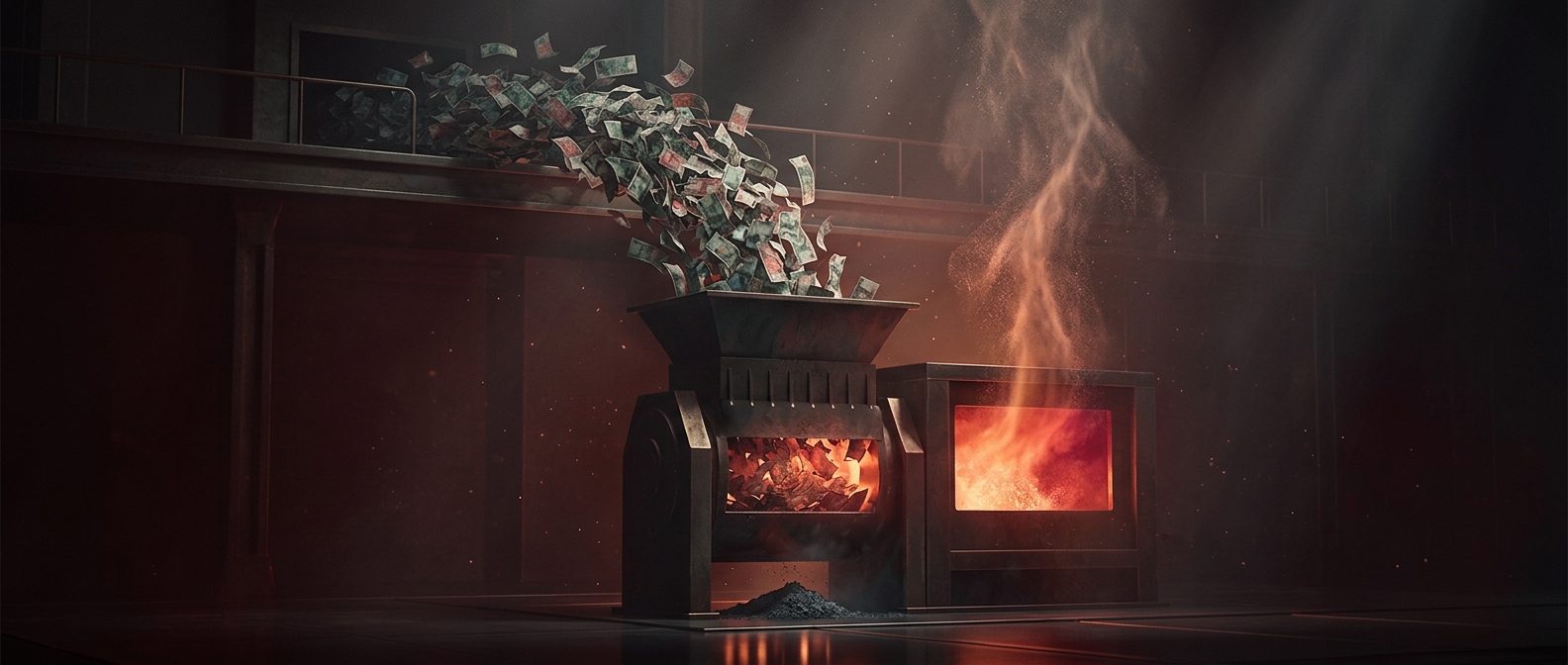
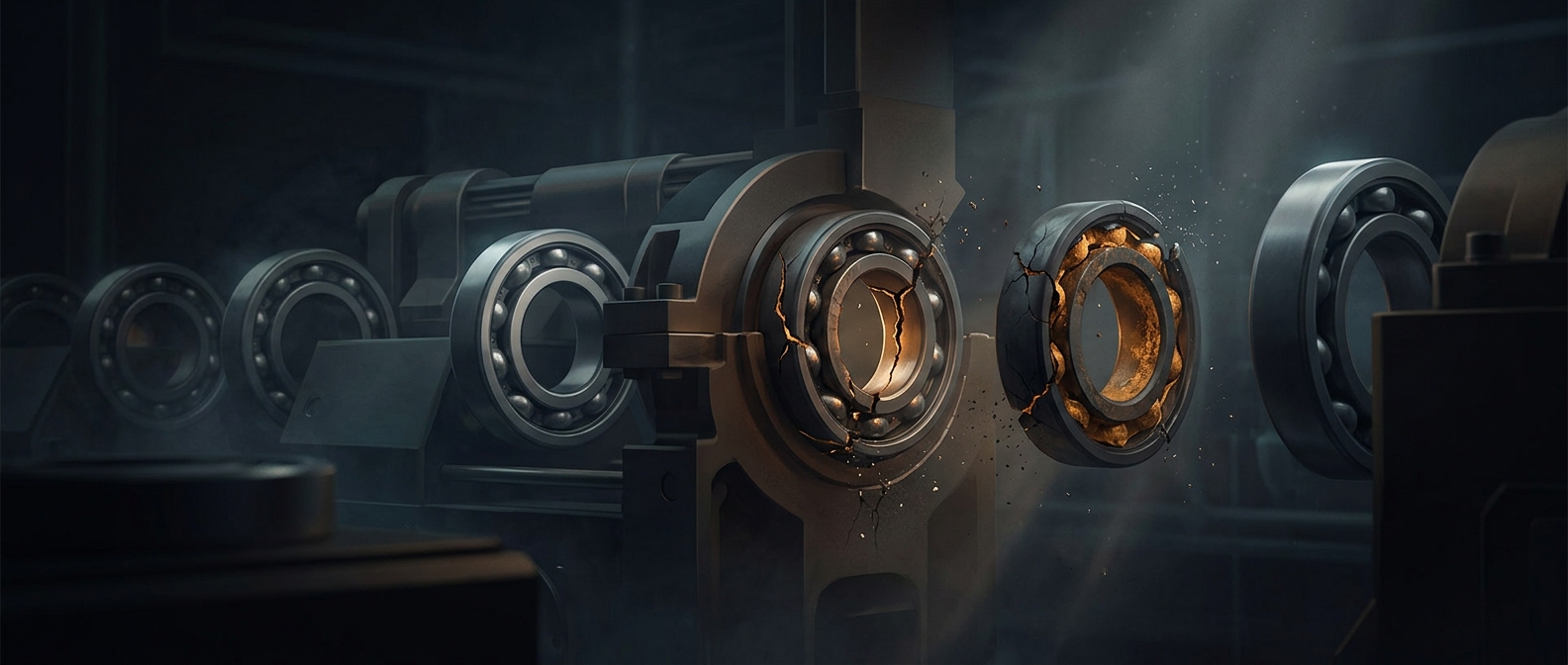
A damaged coin can still contain useful metal even when it is no longer fit to circulate. Once authorities withdraw such coins, their value can shift from what they could buy to what their materials are worth as scrap. That creates a practical incentive to recover the metal rather than treat the coins as ordinary waste.
From Currency to Raw Material
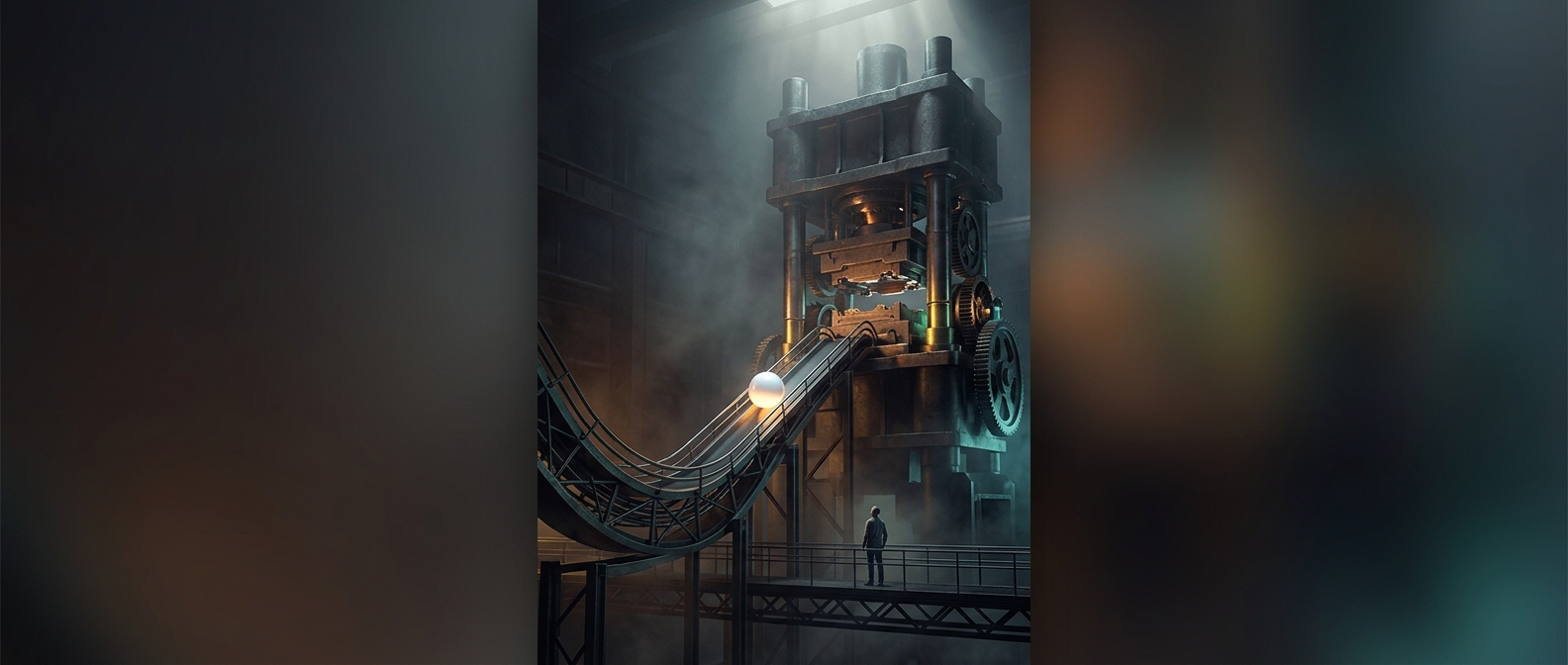
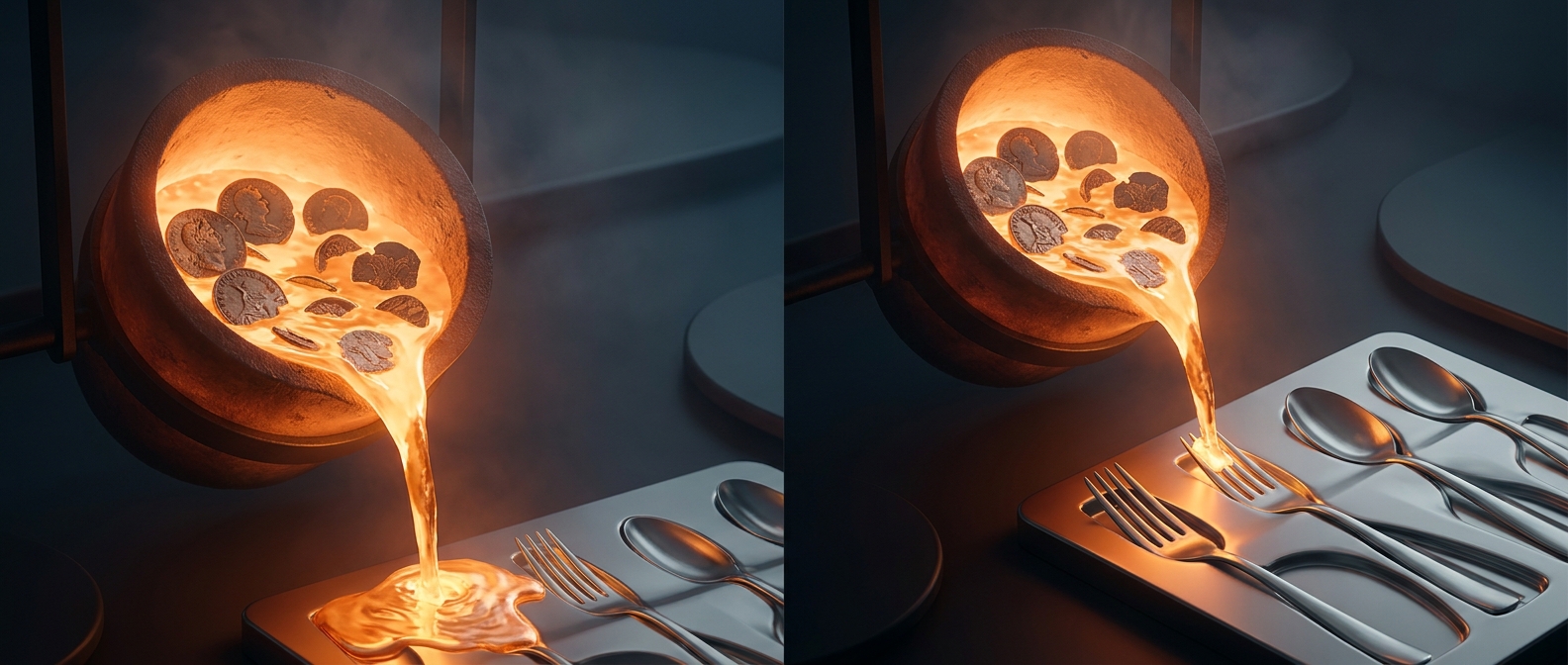
The coins are processed so their metal can enter manufacturing supply chains. The specific route depends on the coin’s composition: coins are made from different metals and alloys, and a manufacturer needs material with properties suited to its product. A refiner can process and blend recovered metal to meet those requirements before it becomes feedstock—the raw material used to make a new item.
That is why a coin would not usually become a spoon intact, or even remain identifiable as coin metal. It is melted and mixed into a broader batch, losing its shape and monetary role. If that material later goes into cutlery, there may be no practical way to tell which spoon contains it.
The Value Changes, Not the Metal
The journey illustrates a quiet form of recycling: an object can leave one system of value and enter another. A coin’s purchasing power depends on its status as currency; its scrap value depends on the recoverable material and what buyers can use it for. The metal may keep circulating through products long after the coin itself has disappeared.