Why a discarded box has a market
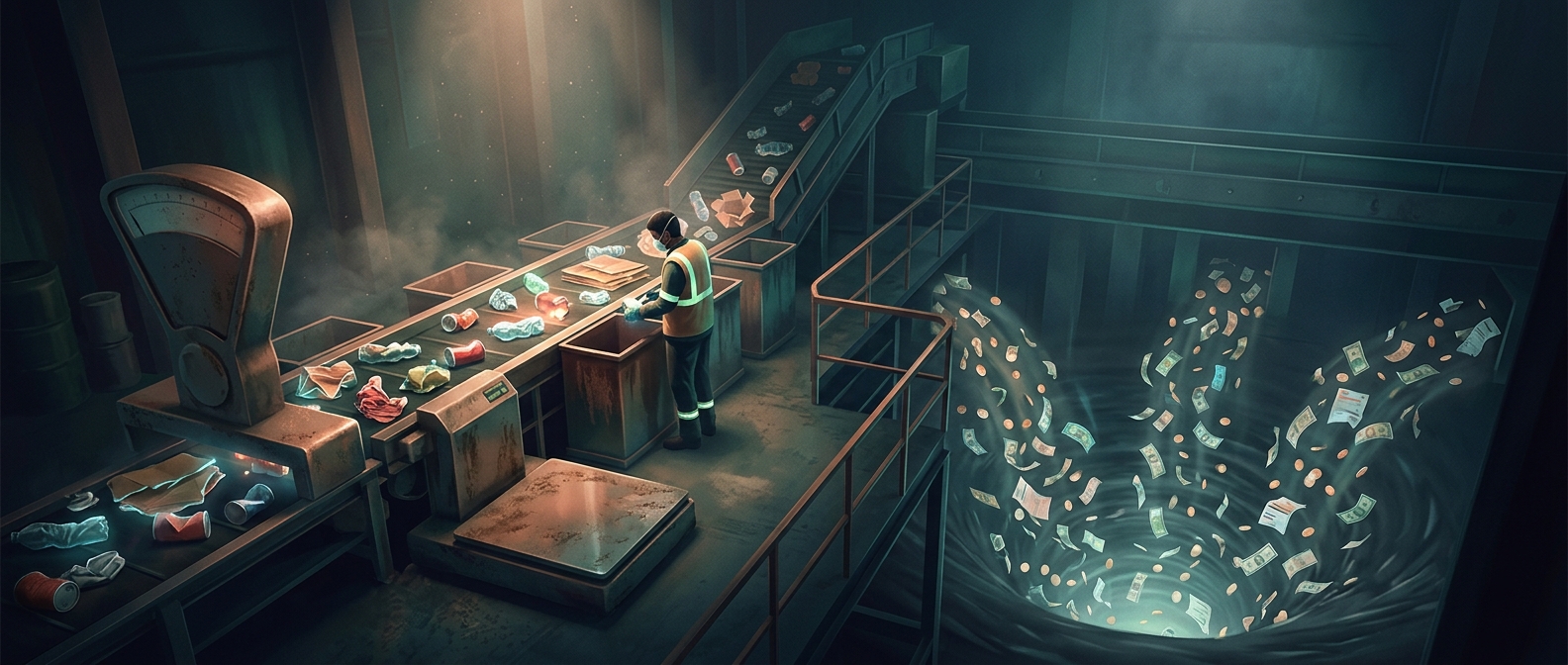
Cardboard is not just waste to a paper mill. Its fibers can be pulped and made into new paperboard, so used boxes become a source of raw material. Collectors and recycling businesses sort the material, remove obvious contaminants, and compress it into dense bales. Baling makes a bulky, low-value material easier to store and transport—and easier for mills to buy in consistent loads.
The price depends on what is inside
Not every bale is equally useful. Clean, dry cardboard is easier to process than material mixed with food, plastic, or other kinds of paper. Sorting and quality checks matter because unwanted material can complicate production and leave more residue to dispose of. Buyers weigh that quality against the cost of collecting, processing, and shipping the bales.
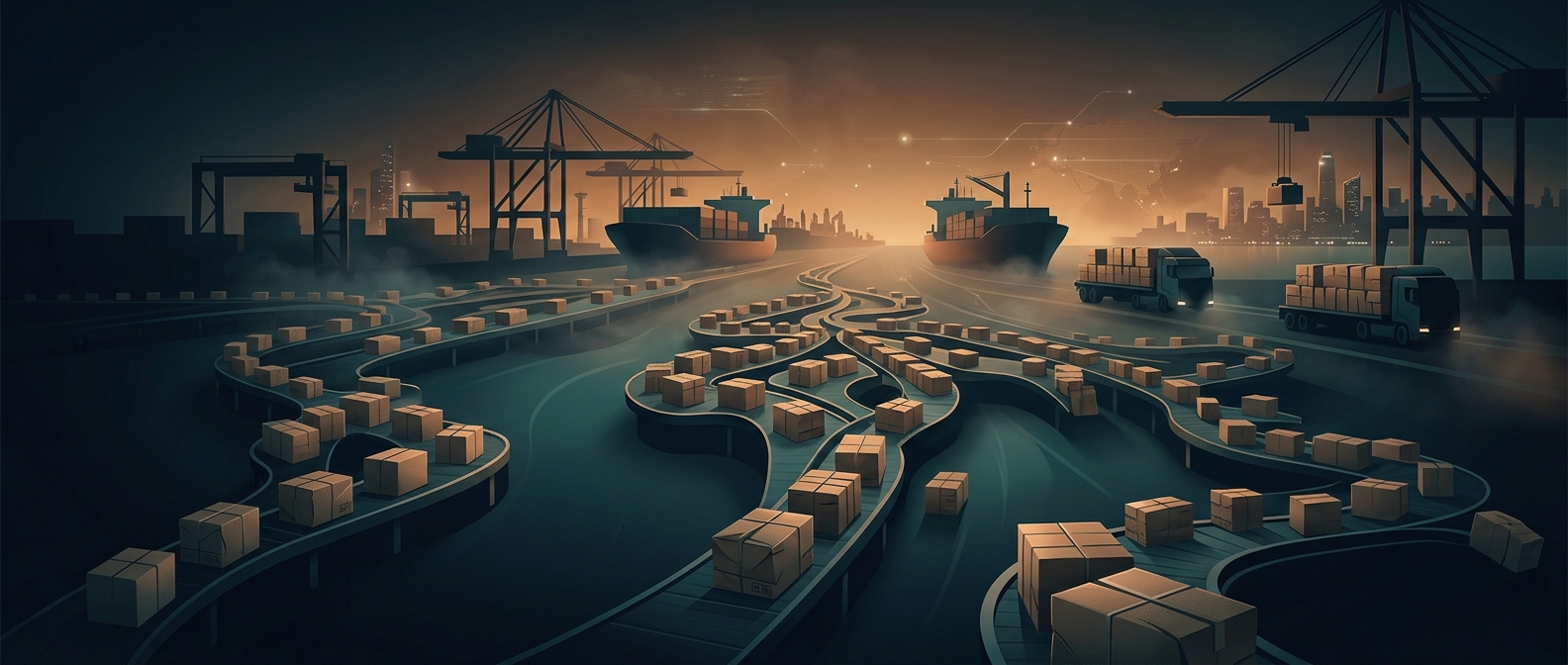
That calculation connects local recycling systems to international markets. A region with more recovered cardboard than nearby mills can use may sell it to buyers elsewhere; a mill may buy recovered fiber when it is a practical alternative to other papermaking inputs. The trade is shaped by supply, demand, transport costs, and the specifications a mill needs—not by the cardboard’s original destination.
Recycling follows the economics of distance
Shipping bales across an ocean takes energy and money, so overseas trade makes sense only when the expected value of the material can cover those costs and the steps on either end. Changes in mill demand, available supply, or freight costs can alter where bales go and what buyers are willing to pay.
The result is a market in which the fate of a box depends partly on conditions far from the place it was opened. Once compressed into a saleable bale, yesterday’s packaging can become an input for a mill whose customers may never know where its fibers began.