A sandwich takes a longer route to the gate
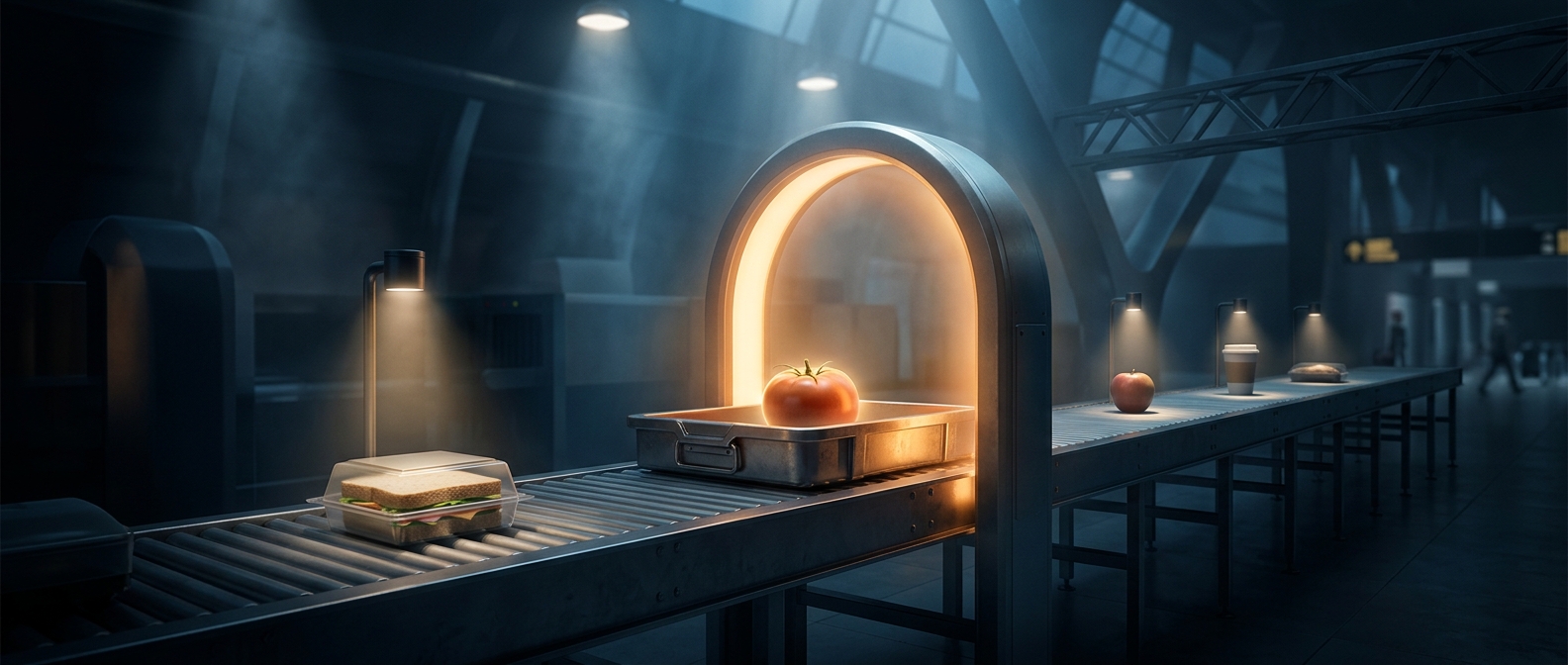
At an ordinary street-side restaurant, a delivery truck can pull up close to the kitchen. At an airport, a shipment may need to pass through controlled entry points, be checked, and travel through service corridors before it reaches a vendor. Workers and vehicles also need authorized access to restricted areas. Each handoff takes time and staff, and delays can disrupt a carefully timed delivery.
That changes how vendors buy and store food. They may need to bring in supplies in smaller, more carefully planned loads, because storage space inside a terminal is limited and restocking is less straightforward than unloading at a curb. If a delivery is late, a kitchen may have little room to keep extra ingredients on hand as a backup. Perishable food that spoils or supplies that run short become costs the business has to absorb—or build into prices.
The journey continues behind the counter
Getting ingredients into the airport is only part of the work. Once inside, supplies still have to reach kitchens and shops spread across a large terminal, often through routes that are separate from passenger areas. Equipment, packaging, cleaning materials, and waste must move through that same constrained back-of-house system. A restaurant is therefore paying not just for what arrives, but for the labor and coordination needed to keep it arriving reliably.
The result is a supply chain with more steps and less flexibility than one outside the airport. Even a familiar item can carry the cost of an unexpectedly complicated trip from delivery vehicle to counter.