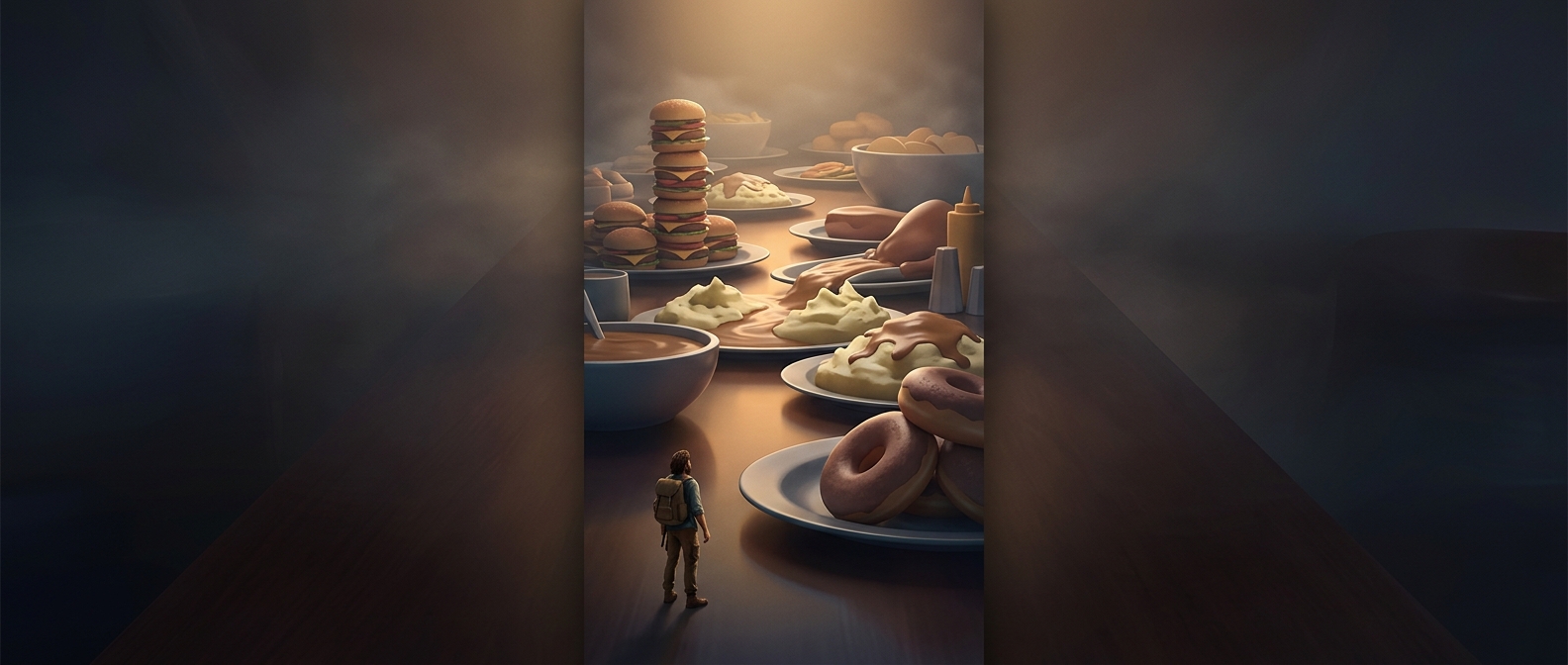
Why a Restaurant Plate Can Feel Like a Feast
In the United States, a restaurant serving is often meant to look abundant as well as satisfy hunger. A full plate can signal value to diners, while large-format cooking makes it practical for a kitchen to serve substantial amounts of a prepared dish. The result may be more food than one person expects to eat at a sitting—especially when the main course arrives alongside bread, fries, rice, or other sides.
The comparison with meals in other countries depends on the restaurant and the dish, not a single international standard. But travelers accustomed to smaller servings may find that an ordinary U.S. order is closer to several meals’ worth of food than to a modest individual plate.
How to Order Without Overdoing It
Treat the menu’s listed sides as part of the meal, not as incidental extras. If the restaurant allows it, ask for a half portion, share an entrée, or request a takeout container early; leftovers are a normal way to handle a serving that is too large to finish. At a buffet or all-you-can-eat restaurant, the same abundance can encourage diners to take more than they want, so starting with a small amount makes it easier to judge.
That oversized plate is not just a curiosity for visitors: it changes how people order. A single entrée may be enough to share—or may provide tomorrow’s lunch as well.