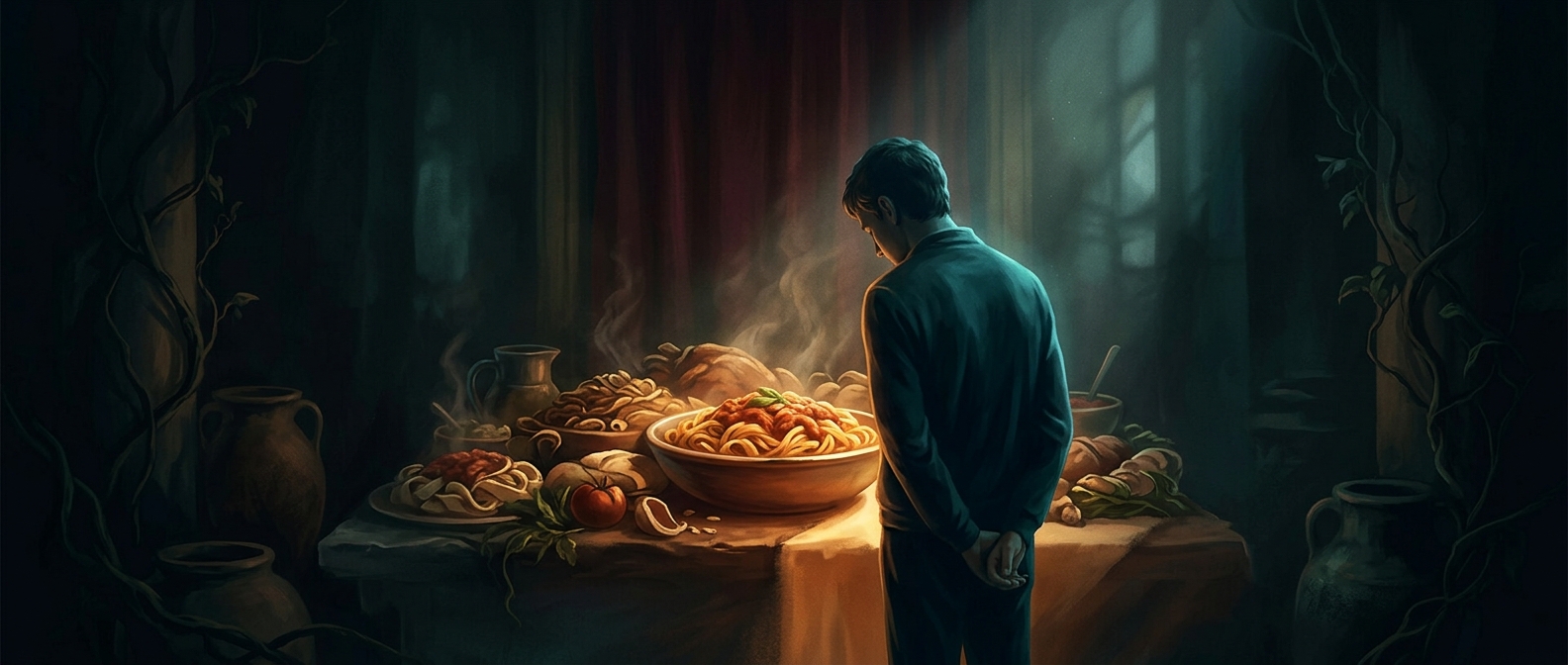
At an Italian family table, food can speak for affection
The joke works because a second helping is rarely just a second helping. In many Italian families, offering food is a practical way to show care: someone has cooked, set the table, and wants guests to leave satisfied. A refusal can therefore sound, to the person serving, like more than a comment about appetite. It may seem to say that the meal—or the affection behind it—has been turned down.
That is why the grandmother in the familiar story asks again. She is not necessarily disputing the guest’s stomach; she is making sure everyone is looked after. The concern that someone is “wasting away” turns an ordinary refusal into a comic expression of a caregiver’s vigilance.
Lasagna makes the offer feel personal
A dish such as lasagna takes time and attention to prepare. When the cook brings it to the table, urging someone to have more can also be a way of inviting them to appreciate the work. The food carries a little of the cook’s effort with it, so “I’m full” may prompt a playful attempt to persuade rather than an immediate end to the exchange.
The humor depends on the gap between meanings: the guest is talking about physical fullness, while the grandmother is talking about welcome and care. Of course, families differ, and no single serving ritual represents every Italian household. But in the joke, the empty plate is not the only measure of a successful meal; the offer itself is part of how affection gets served.