The Seat Is Part of the Fare
An airline ticket does not always buy a particular place in the cabin. On many flights, especially with lower-priced fare options, a traveler can buy the journey but leave seat assignment to the airline. Paying to choose a seat turns that uncertain assignment into a specific one—such as the seat beside a partner’s.
That separation lets airlines sell a low headline fare while charging travelers who value particular seats more. A couple may be willing to pay to sit together; a solo traveler may be content to take whatever is assigned. The seat-selection fee captures that difference in willingness to pay without requiring the airline to raise every ticket price by the same amount.
Why Two Tickets Don’t Guarantee Two Adjacent Seats
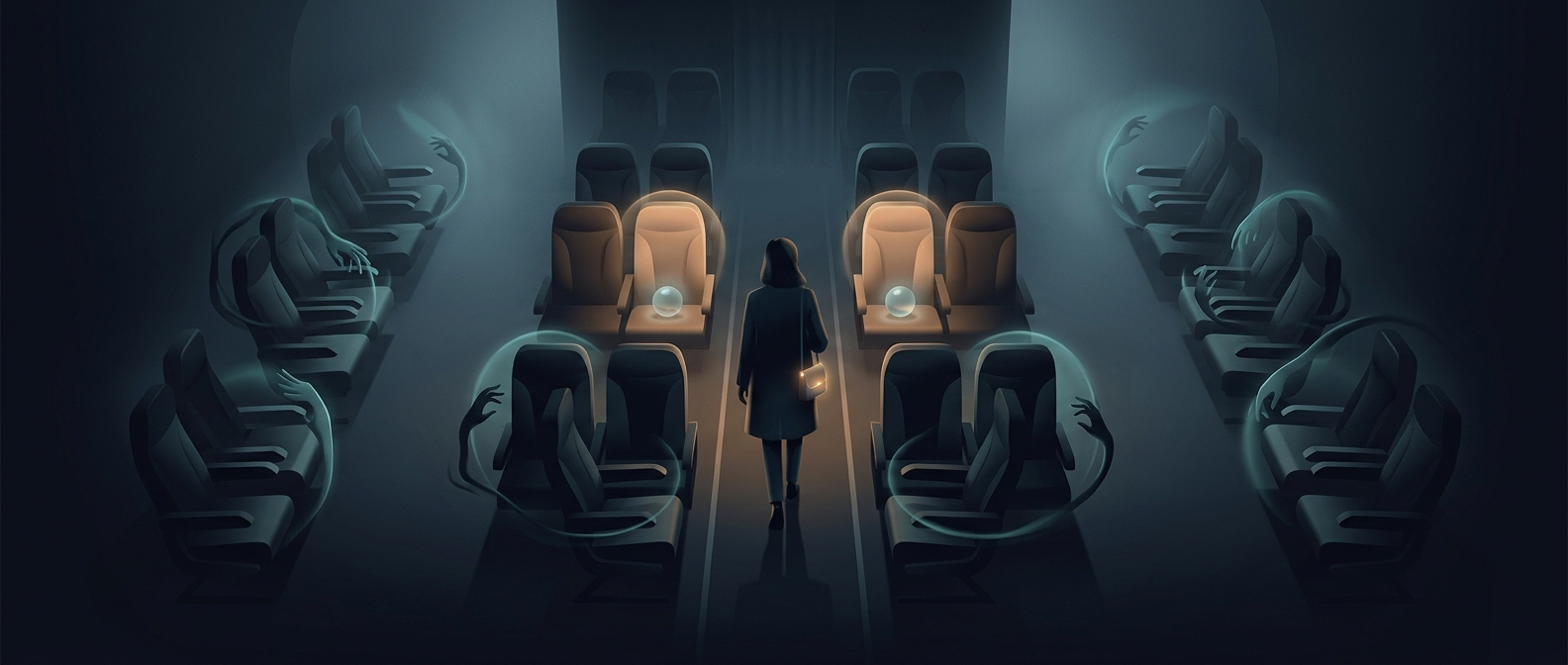
A booking can show that people are traveling together without reserving neighboring seats for them. If they skip paid selection, the remaining seats may be assigned later, after other passengers have chosen. By then, adjacent seats may be scarce—or unavailable. Different ticket types can also come with different seat-selection options, so the terms depend on the fare and airline.
The charge is not simply a price for an empty cushion: it is for certainty about where that cushion will be. Airlines still have to manage the cabin around groups, accessibility needs, aircraft layout, and late changes, so a chosen seat may sometimes be changed. But when sitting together matters, paying in advance can reduce the risk of discovering at the airport that the available seats are scattered across the plane.