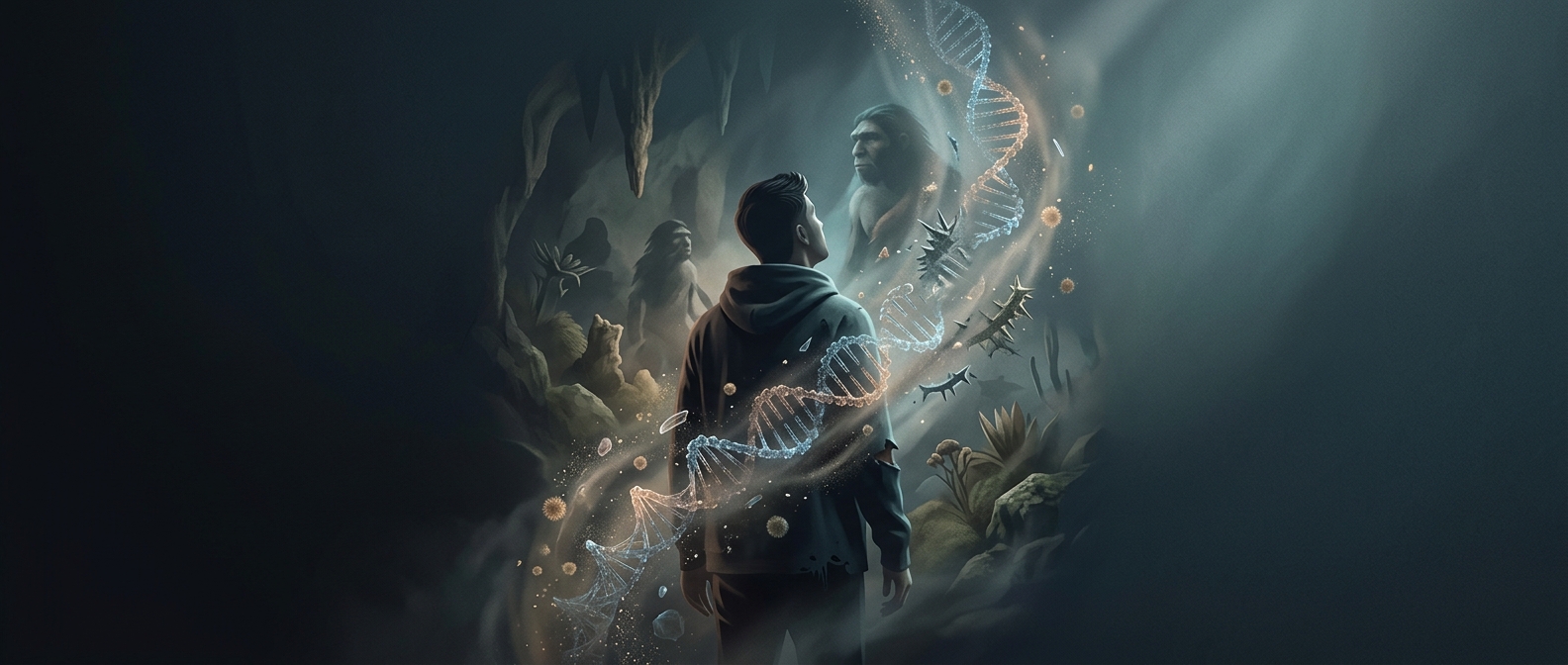
How an infant’s immune system learns
A baby’s immune system is not simply switched between “strong” and “weak.” It is learning to distinguish harmful threats, such as disease-causing germs, from ordinary substances in the environment. When it encounters a harmless particle, the immune system can learn to tolerate it rather than launch an attack.
Pet dander—tiny flakes of skin, along with proteins from an animal’s saliva or urine—can be one such exposure. Early contact may help some children develop tolerance, making an allergic response to those proteins less likely. But dander is only part of the picture: pets also bring microbes and other particles into the home, and those exposures may influence immune development too.
Why exposure is not a guarantee
Allergies develop through a mix of influences, including inherited susceptibility and a child’s wider environment. Researchers have found links between growing up with pets and lower rates of some allergies in some groups, but the pattern is not consistent enough to say that a pet prevents allergies. The type of animal, timing and amount of exposure, and a child’s family history may all matter.
An allergy occurs when the immune system treats a normally harmless substance as dangerous. On later encounters, it can release chemicals that cause symptoms such as sneezing, itchy eyes, or wheezing. Early exposure may shift that learning toward tolerance, but it cannot reliably override every child’s predisposition.
What the finding means for families
The useful takeaway is not that families should get a pet to prevent allergies. It is that ordinary early-life exposure may help shape immune responses, while the outcome remains individual. A child who grows up around an animal may still become allergic—and a child without pets may not. The same household exposure can be part of immune learning, not a guaranteed prescription for it.