How pollen turns a lens into a longer exposure
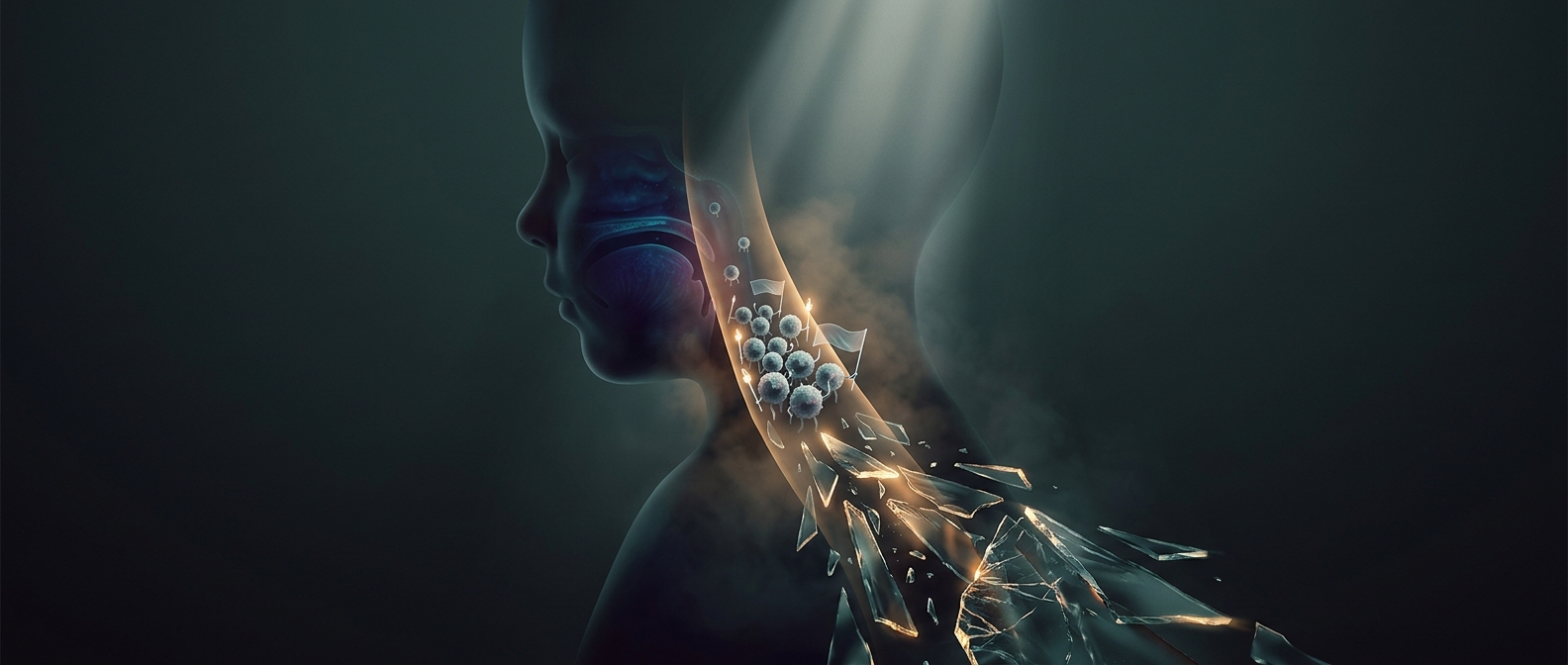
When pollen reaches the eye, the immune system can mistake proteins on its surface for a threat. In someone with seasonal allergies, that recognition can trigger the release of histamine and other chemical messengers. The result is the familiar itch, redness, and watering of allergic conjunctivitis—the inflammation of the thin membrane covering the white of the eye and inner eyelids.
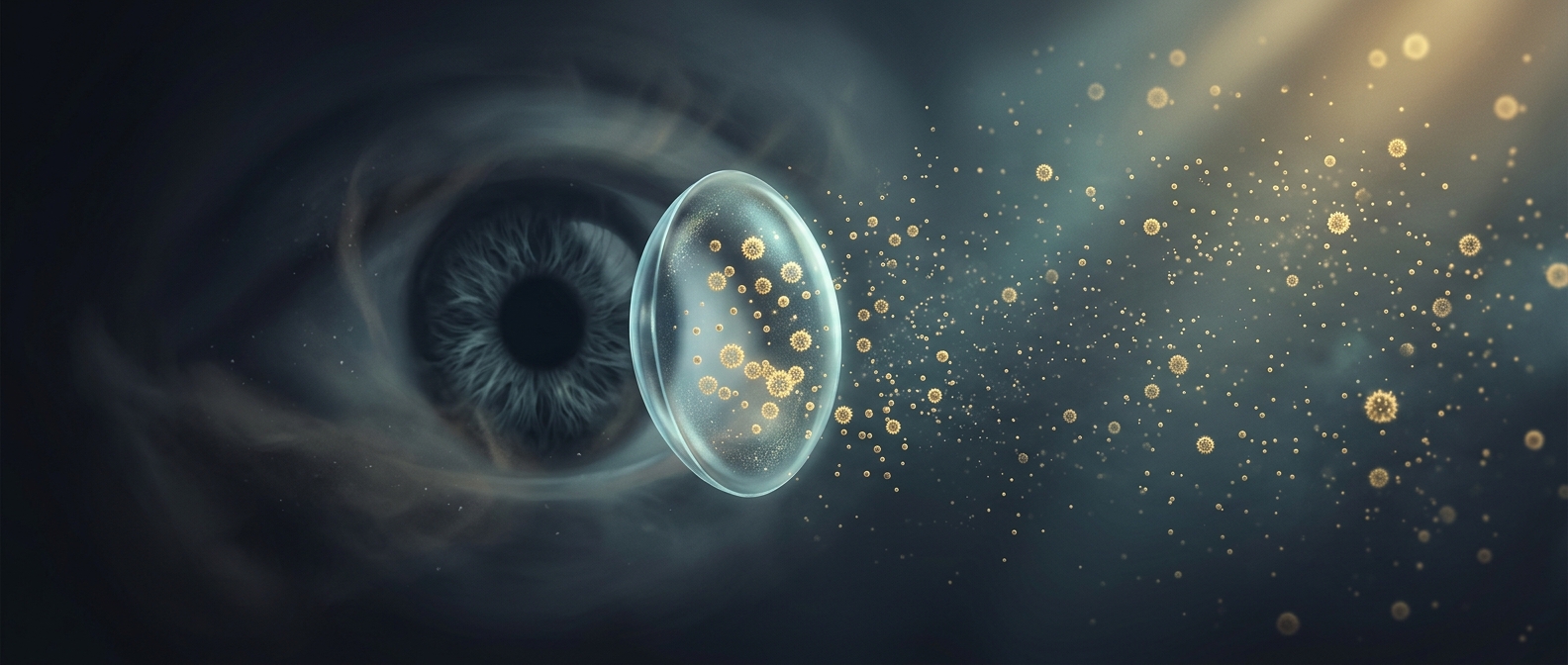
A contact lens adds a surface where pollen and other particles can cling. Blinking and tears normally help move debris toward the corners of the eye and wash it away. But material caught on a lens may remain in contact with the eye longer, while the lens itself can make an already irritated surface feel more uncomfortable. The lens does not create the allergy; it can extend the eye’s exposure to what triggered it.
Why the effect varies
The amount of irritation depends on the person, the pollen exposure, and the lens. Deposits that build up during wear can add to discomfort, and an eye that is already inflamed may be less tolerant of a lens than usual. That is why the same pair can feel fine on a low-pollen day but bothersome during a flare-up.
For some wearers, switching to glasses during peak symptoms reduces the extra irritation. Daily disposable lenses can also limit the buildup associated with wearing the same lens repeatedly. Either way, the key point is practical: when allergy symptoms rise, the lens can become part of the exposure problem, not just something sitting harmlessly on the eye.