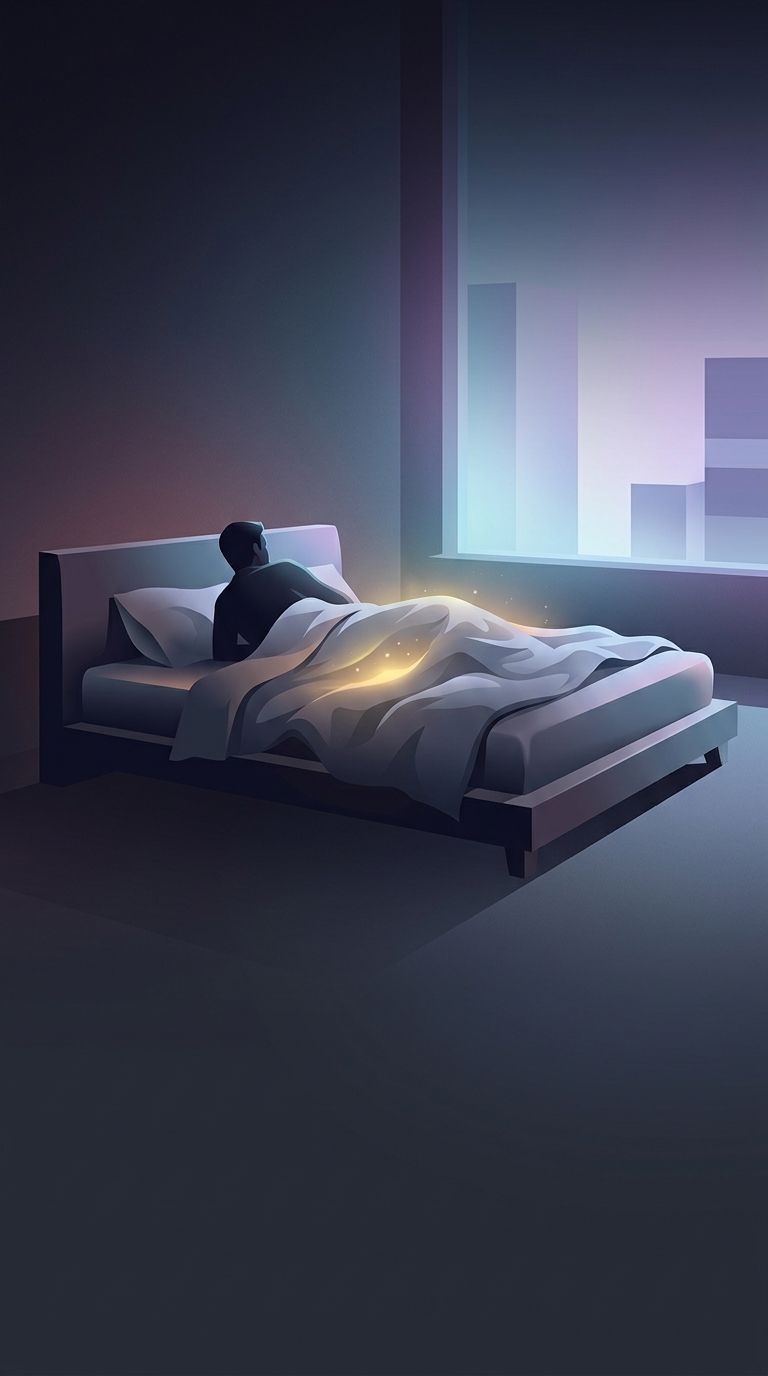
An unmade bed can lose some of its overnight dampness
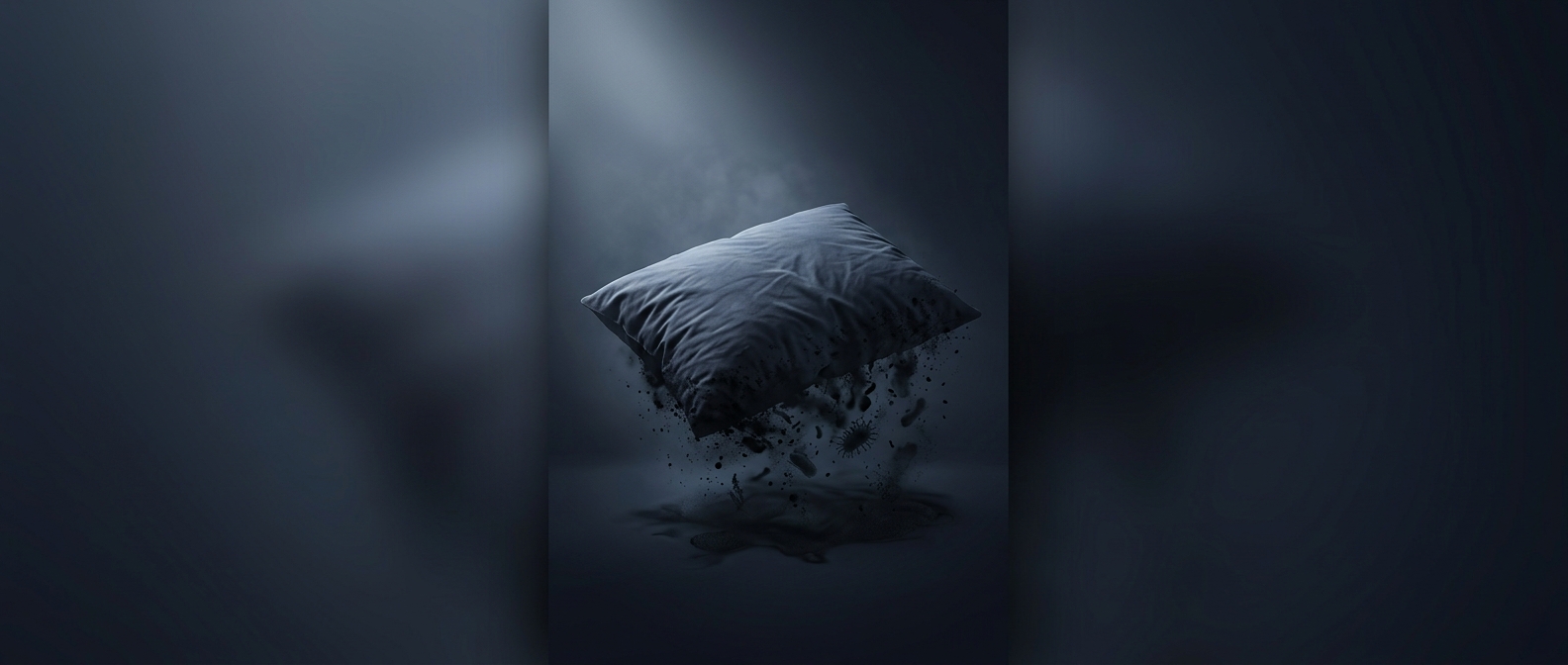
As you sleep, your body warms the sheets and adds moisture through sweat and breath. Dust mites—tiny relatives of spiders that feed on shed skin flakes—do well in warm, humid bedding. Their waste and body fragments can become allergens, irritating the airways of people who are sensitive to them.
Pulling the covers tight immediately can trap some of that warmth and moisture. Leaving the bed open gives the sheets more exposure to room air, helping them dry. That is the practical reasoning behind the advice: airing bedding may make conditions less favorable for dust mites, rather than instantly removing the mites or their allergens.
It is one small part of allergen control
The effect depends on the room. A dry, well-ventilated bedroom gives bedding a better chance to lose moisture; a damp room may not. And making the bed later does not replace washing sheets regularly or other steps recommended for managing dust-mite allergies.
So the point is not that an unmade bed is inherently cleaner. It is that waiting before covering warm sheets may give them time to dry—an easy habit that can modestly change the environment where mites live.