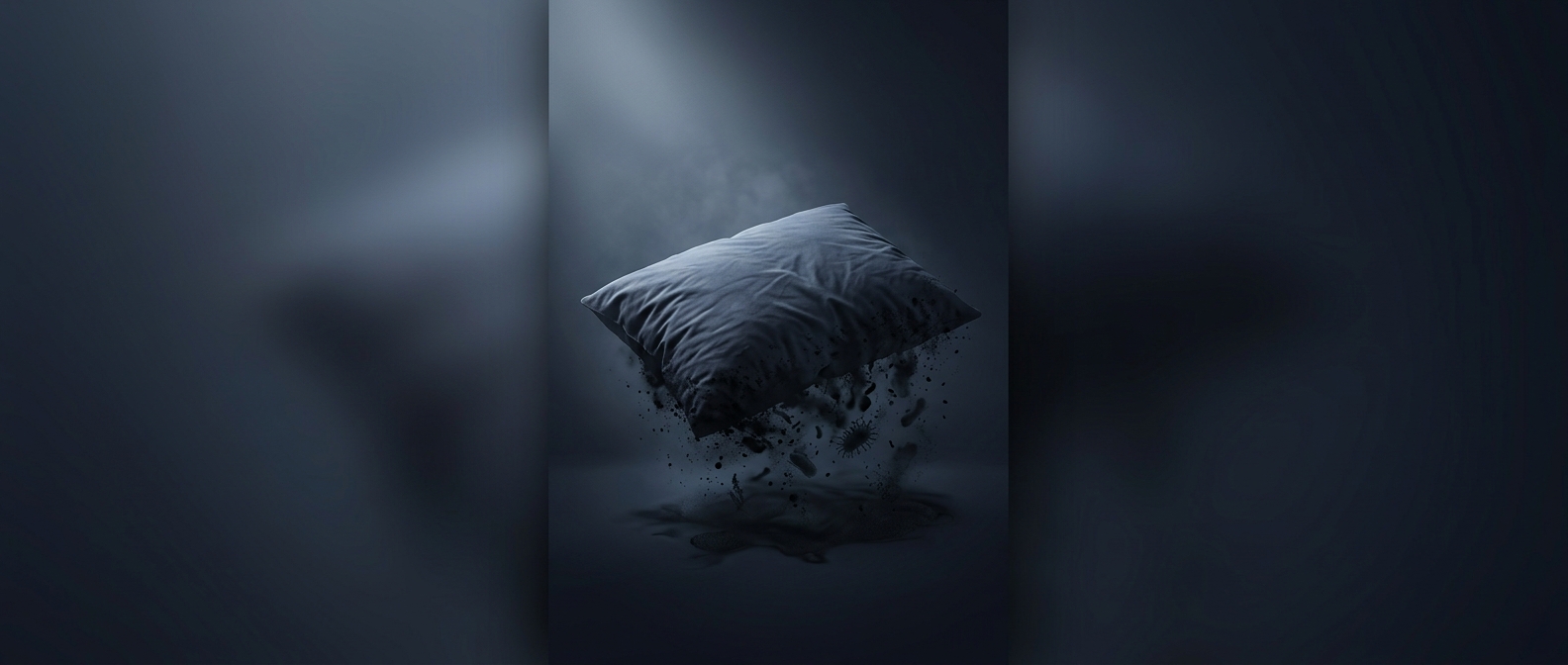
How residue can survive a scrub
A lens case is not just a container: its wells and narrow corners create places where moisture and deposits can collect. Over time, proteins and other material from tears and lenses can cling to the plastic. Microbes may attach to that film and form a biofilm—a thin, sticky community that is harder to remove than loose dirt.
Rubbing and rinsing can dislodge some material without reaching every surface or corner. A case can therefore look clear while still retaining residue. Disinfecting solution helps control germs, but it is not a guarantee that every contaminated patch has been cleared.
Why the case matters to the eye
When a lens sits in a contaminated well, microbes can transfer onto its surface. The lens then rests directly on the eye, where it can carry germs toward the cornea, the clear front window of the eye. That can contribute to irritation or, in more serious cases, an infection called microbial keratitis. A case is one part of lens hygiene, not a substitute for using fresh solution and following the care instructions for the lenses.
A small replacement with a practical payoff
Because wear and buildup are not always visible, appearance is a poor way to judge whether a case is still in good condition. Replacing it on the recommended schedule removes a surface that cleaning may no longer reliably restore. The useful lesson is simple: a case can be clean-looking without being clean enough to trust.