Why Area 51 Is Hidden in the Nevada Desert
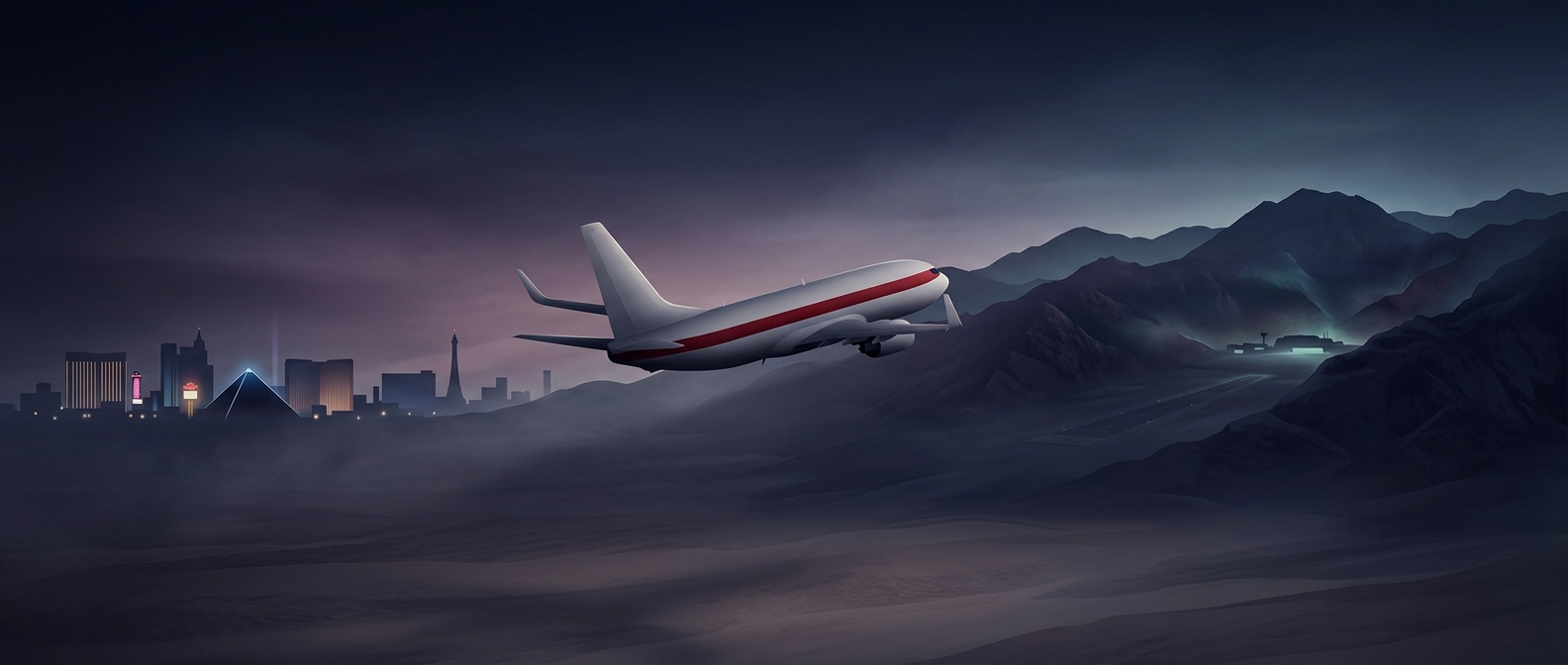
Area 51 sits within the Nevada Test and Training Range, a vast military zone where access can be restricted and aircraft can be tested far from ordinary air traffic. The remote setting is useful for a practical reason: experimental planes need room to fly, and secrecy is easier to maintain when the surrounding land is already controlled by the military.
The name “Area 51” comes from the numbered grid used on maps of the range. The facility is also known as Groom Lake, after the dry lakebed beside it. From the air, the flat lakebed and broad desert terrain offer a natural backdrop for an airfield and flight testing.
Secrecy Makes the Place a Magnet for Speculation
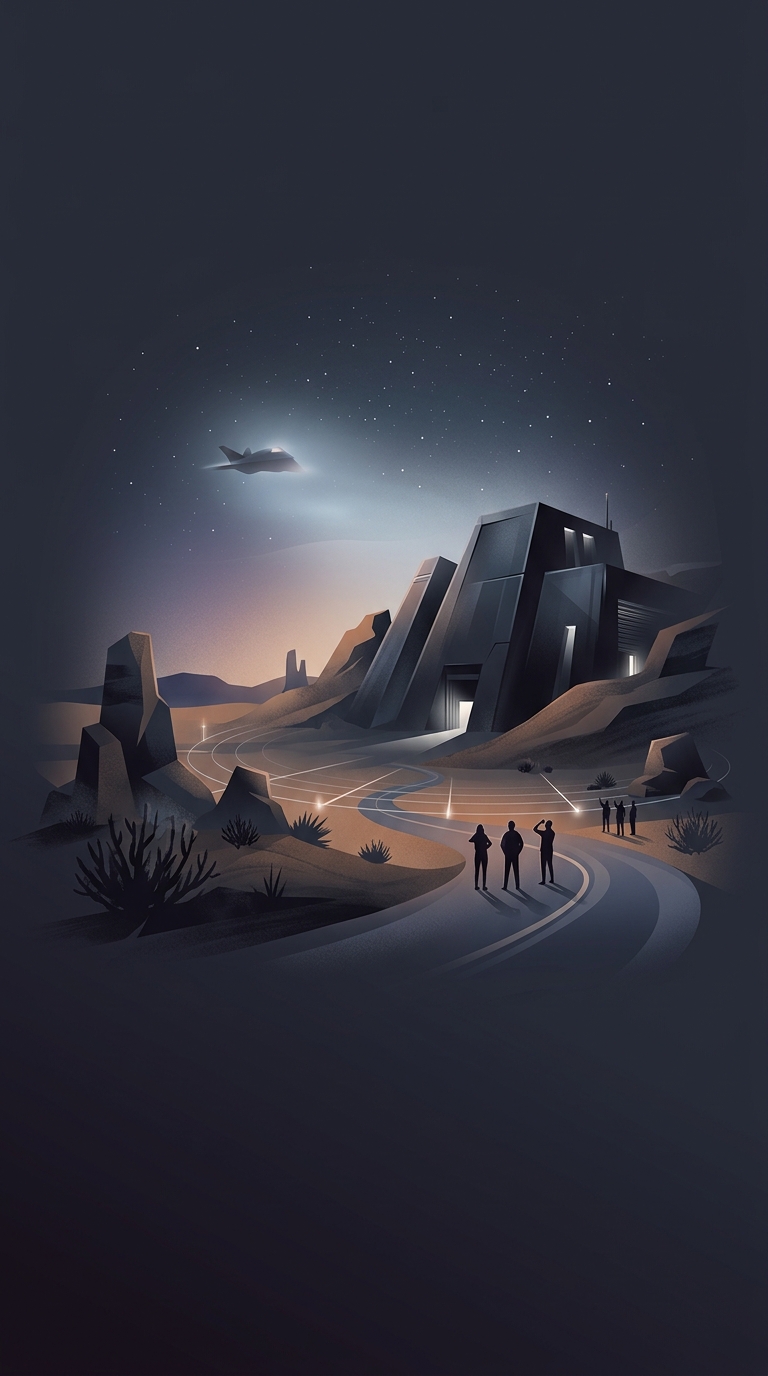
The government’s long silence about the installation’s purpose left a gap that rumor could fill. Because the work was classified, observers near the range could sometimes see unusual aircraft without being told what they were. A secret test flight could therefore appear extraordinary while its designers and mission remained unknown.
That does not establish the alien explanations attached to Area 51. It does explain why they endure: secrecy hides the ordinary evidence that might identify a project, while the desert’s isolation makes the site feel even more removed from public view.
The Boundary Is Part of the Facility
The restricted perimeter does more than keep visitors away from buildings and runways. It protects sensitive activity and gives test crews controlled airspace in which to operate. Warning signs, surveillance and patrols make clear that crossing the boundary is not a tourist excursion; the visible security is the outer edge of a much larger restricted military range.
For travelers, the result is a strange kind of landmark: Area 51 is famous precisely because it cannot be visited. The empty miles around it are not just scenery—they are part of what makes secret flight testing possible.