Why a second helping can mean more than food
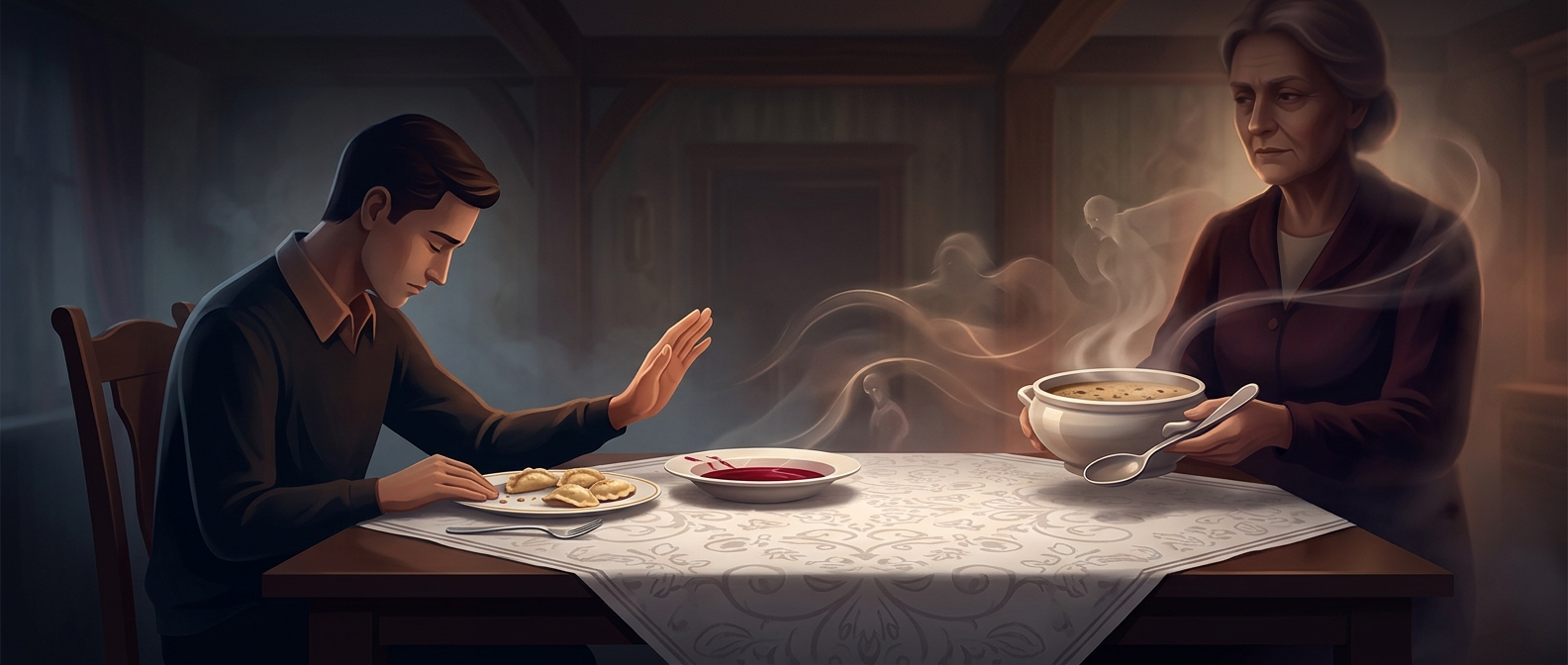
In some Polish homes, offering more is a way for a host to show care and make sure a guest feels welcome. The offer is part of the hospitality, not merely a check on whether the plate is empty. A quick refusal can therefore be misread as a judgment on the meal, even when the guest is simply full.
That does not mean every host expects you to keep eating, or that declining is inherently rude. Families differ, and the same offer may be a warm gesture rather than a firm expectation. The awkwardness comes from a mismatch: the guest is communicating appetite, while the host may hear appreciation—or its absence.
How to handle the offer
If you are full, say so warmly and make the reason clear: you enjoyed the meal, but cannot manage another serving. If you would like more, accept; if you are unsure, a small portion can be a comfortable middle ground. The key is to separate declining the food from rejecting the care behind it.
That distinction can turn a potentially uncomfortable moment into an easy exchange: you can stop eating without leaving your host to wonder whether dinner was the problem.