How a Greek bath became a shower
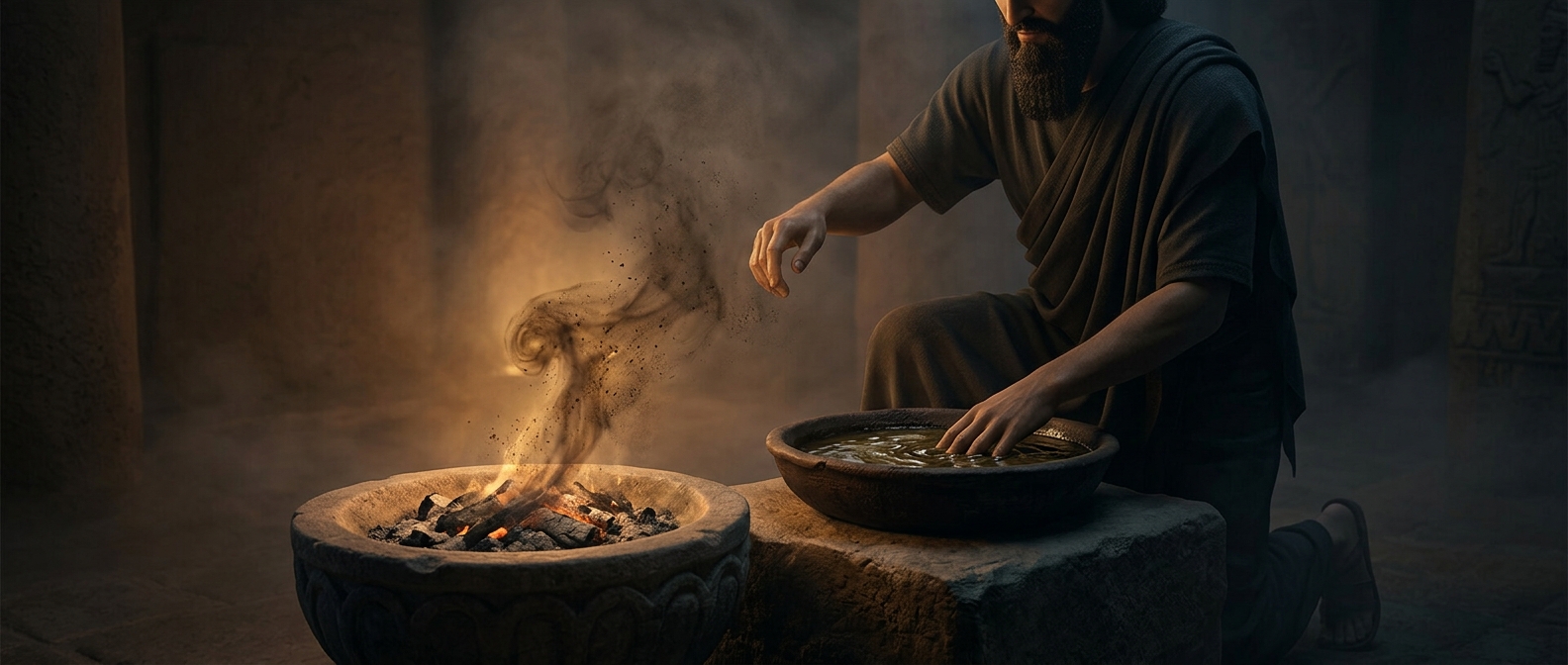
In a gymnasium, bathing could follow exercise: water rinsed away sweat and dust before a person dressed or continued with the day. Some Greek bathing spaces used pipes arranged overhead so water fell onto bathers. The key idea was simple: bring water to a point above the body, then let gravity do the work. It did not require a pressurized household plumbing system or a movable showerhead to create the familiar sensation of water raining down.
The arrangement also depended on a larger practical chain. Water had to be brought into the bathing area, directed through pipes, and released where people could stand beneath it. Compared with washing from a basin, an overhead flow could wet the body without repeatedly lifting and pouring water by hand. The experience was recognizable, even though the infrastructure and controls were not those of a modern bathroom.
A shared facility, not a private bathroom
Greek gymnasiums were public places for physical training and related activities, and their bathing facilities served people using the space. That made the shower-like setup part of a communal routine rather than a private domestic convenience. Its importance lies less in resemblance to a modern fixture than in the engineering choice: arrange a water supply overhead and turn gravity into the bathing method.
A shower can feel like a distinctly modern household feature, but its most basic sensation—standing beneath falling water—does not depend on modern plumbing.The familiar part is the flow; the unfamiliar part is how the water reached the pipes.