Why a childhood snack can command an adult price
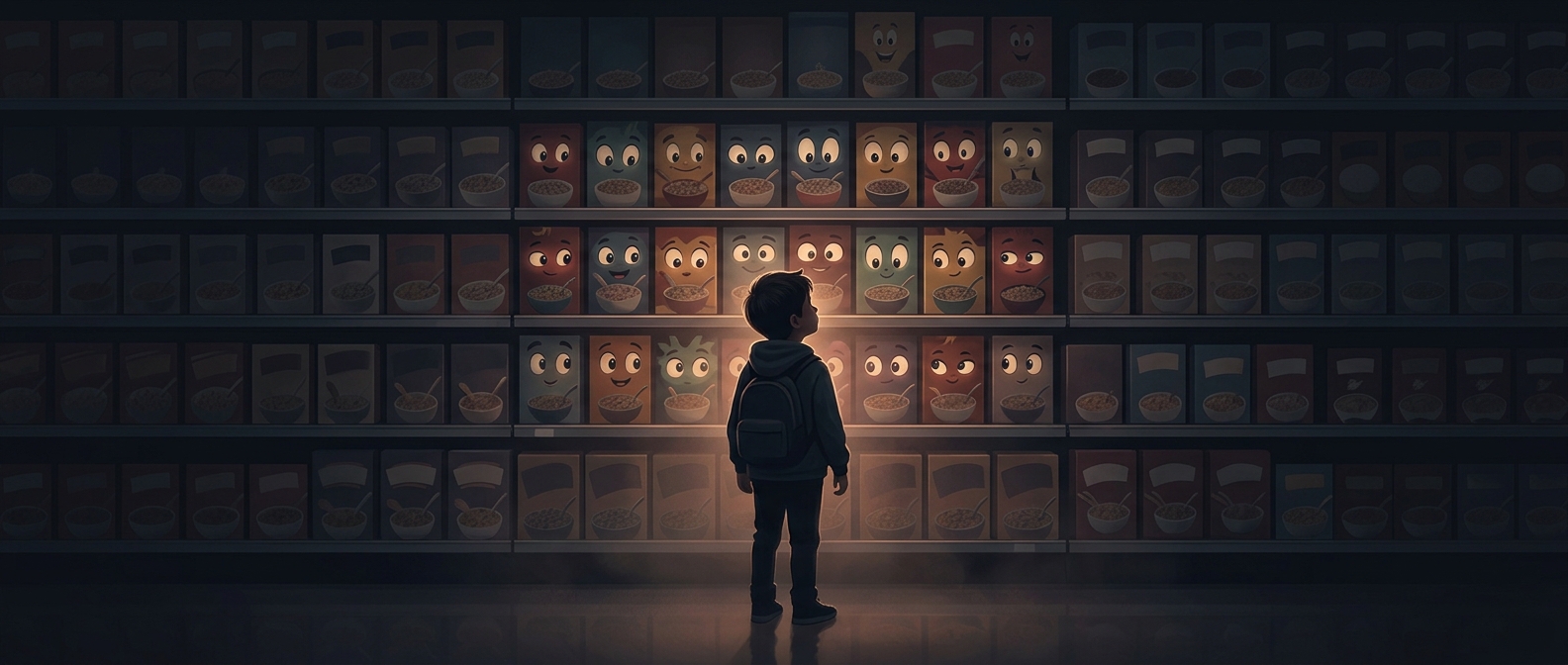
A discontinued snack returns with an advantage ordinary products do not have: buyers already know what it means to them. The cookie may call up a school lunch, a family road trip, or a decade when life felt simpler. That memory becomes part of the product’s appeal, even if the recipe itself has not improved.
The memory changes what buyers are willing to pay
People do not judge a purchase only by ingredients or size. They also weigh the experience they expect to get. A familiar flavor can offer a small, immediate reward—and a sense of reconnecting with an earlier version of themselves. For adults with more spending power than they had as children, paying extra may feel like a manageable way to revisit that feeling.
That gives a returning snack room to cost more than a comparable everyday treat. Its price can reflect the emotional value buyers attach to it, not just the cost of making a cookie. This does not mean every nostalgic product will sell at a premium; buyers still compare prices and decide whether the memory is worth it.
A comeback can make the urge feel urgent
A re-release can also seem temporary. If shoppers suspect the snack might disappear again, waiting carries a risk: they may miss their chance. That sense of scarcity can turn a casual “I remember those” into a purchase now, or into buying more than one while it is available.
The tradeoff is that nostalgia can raise expectations. A remembered snack is competing not only with other cookies but with an idealized version of the past. The first bite has to live up to both the recipe and the memory—which is why a premium price can feel justified before purchase, then harder to defend once the package is open.