How a Movie Creature Entered Puerto Rican Folklore
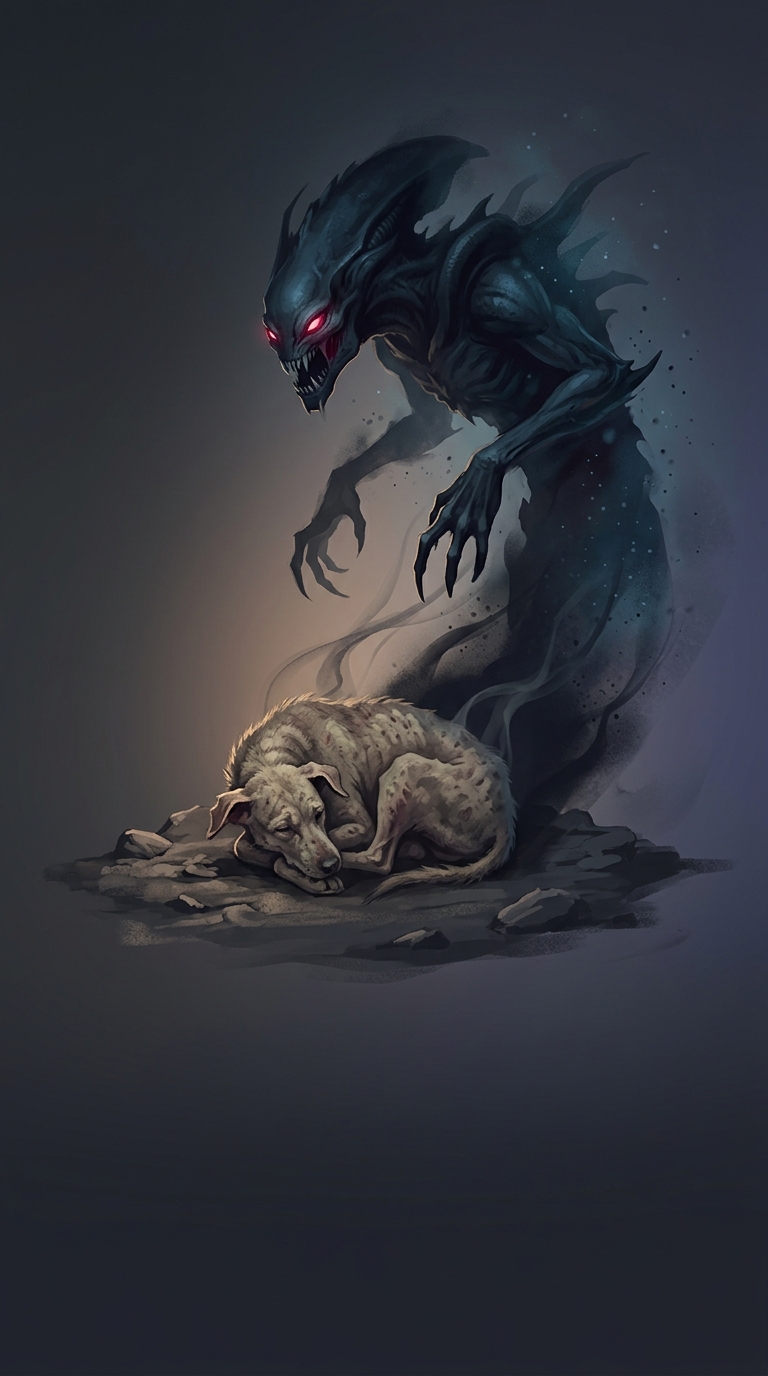
The Chupacabra’s first description arrived in a moment when fiction and an unsettling real-world sight could reinforce each other. The witness had recently seen Species, whose alien creature had a striking, spined silhouette. Soon afterward, the witness saw a coyote with severe mange—a skin disease that can cause extensive hair loss, crusting, and an eerie, gaunt appearance—and described it in terms that resembled the movie monster.
That resemblance gave the report a ready-made visual language. A sick animal can look unfamiliar enough to seem like a new creature, while a recent film supplies details for interpreting what someone thinks they saw. The account was not simply a description of an animal: it became a story about an alien-looking beast.
From Sighting to Chupacabra
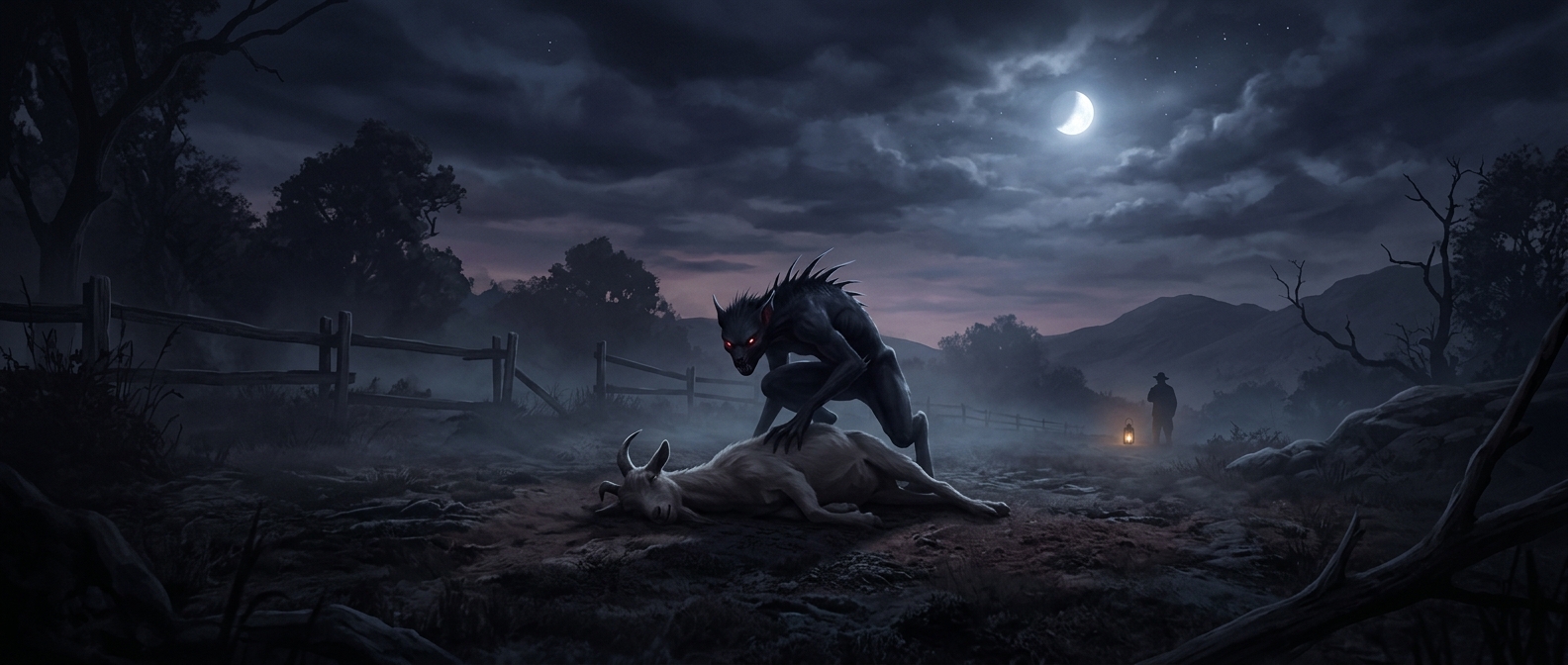
The name Chupacabra—Spanish for “goat-sucker”—connected the frightening appearance to reports of livestock being attacked. Once the creature had a name and a recognizable shape, later reports could be understood as sightings of the same being, even when the details varied. The label helped turn separate, confusing events into a shared legend.
The sequence matters: a movie monster shaped the first striking description, and a real animal’s disease could help explain why that description seemed plausible to a witness. The legend grew at the intersection of a memorable image and an ordinary animal made extraordinary by illness. That is how a creature from a recent film could become part of a lasting local mystery.