Why Darth Vader Feels Larger Than His Screen Time
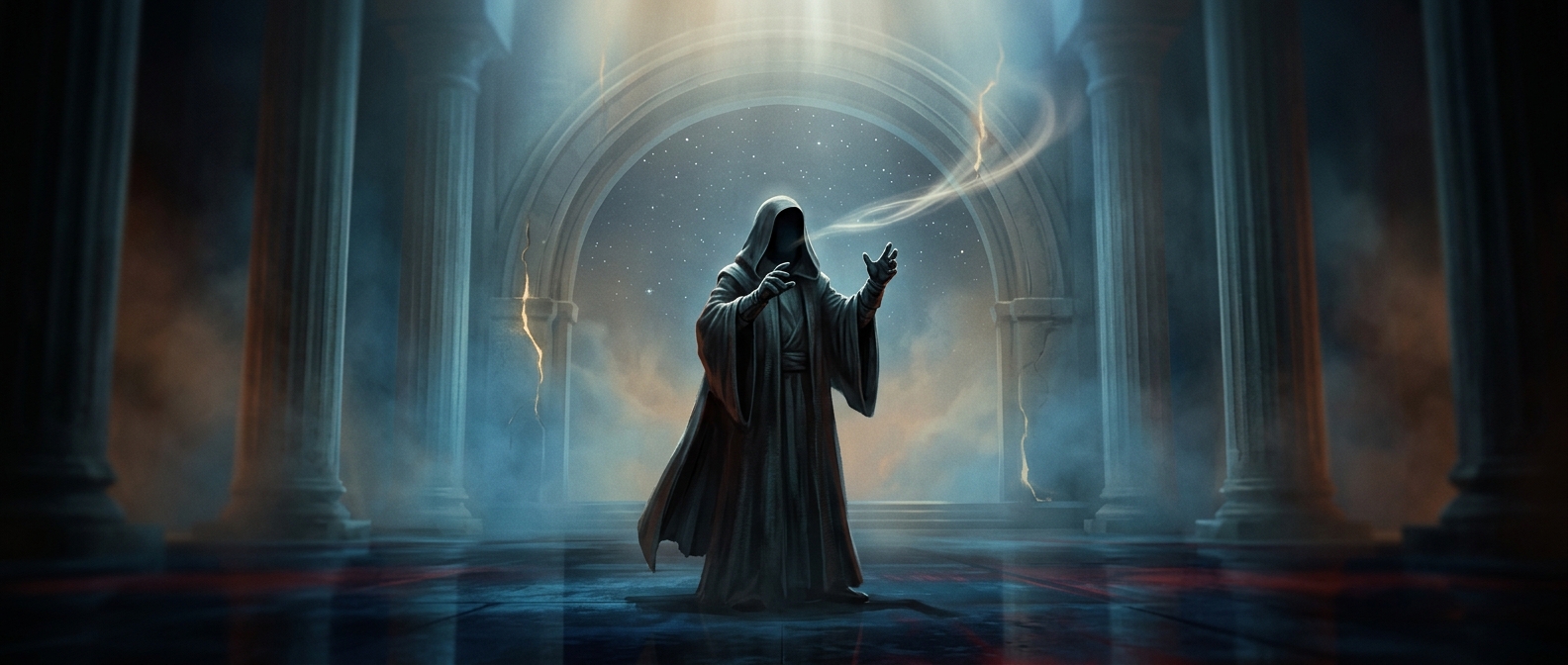
In the original Star Wars, Darth Vader is not the villain who runs every scene. Grand Moff Tarkin commands the Death Star and directs the effort to destroy the Rebel base. Vader occupies a different role: he is the Empire’s enforcer, a frightening presence who can turn a routine military order into a personal threat.
That division of labor keeps Vader from becoming just another officer giving orders. When he appears, his mask, mechanical breathing, and controlled movements make him feel physically imposing. The film does not need to explain much about him for viewers to understand that he is dangerous.
A Few Scenes Do Several Jobs
Vader’s early appearance aboard the captured Rebel ship establishes the scale of the conflict: he can confront resistance directly, while the Empire’s machinery looms behind him. His interrogation of Princess Leia makes that menace intimate. The threat is no longer only a planet-destroying weapon; it is a person willing to use force against a prisoner.
Later, Vader’s presence in the Death Star’s fighter battle connects him to the action rather than leaving him as a distant figure in command. He personally pilots a TIE fighter against the Rebel attack. When Han Solo intervenes, Vader’s craft is sent spinning away from the battle, leaving the immediate climax to Luke and the Rebel pilots.
The Effect of Holding Him Back
Because Vader appears only at intervals, each return can change the scene’s mood without requiring him to dominate the plot. Tarkin supplies the Death Star’s command structure; Vader supplies its most recognizable threat. The film makes his limited appearances feel consequential by giving them distinct dramatic work: establish power, sharpen danger, then bring that danger into the final battle.