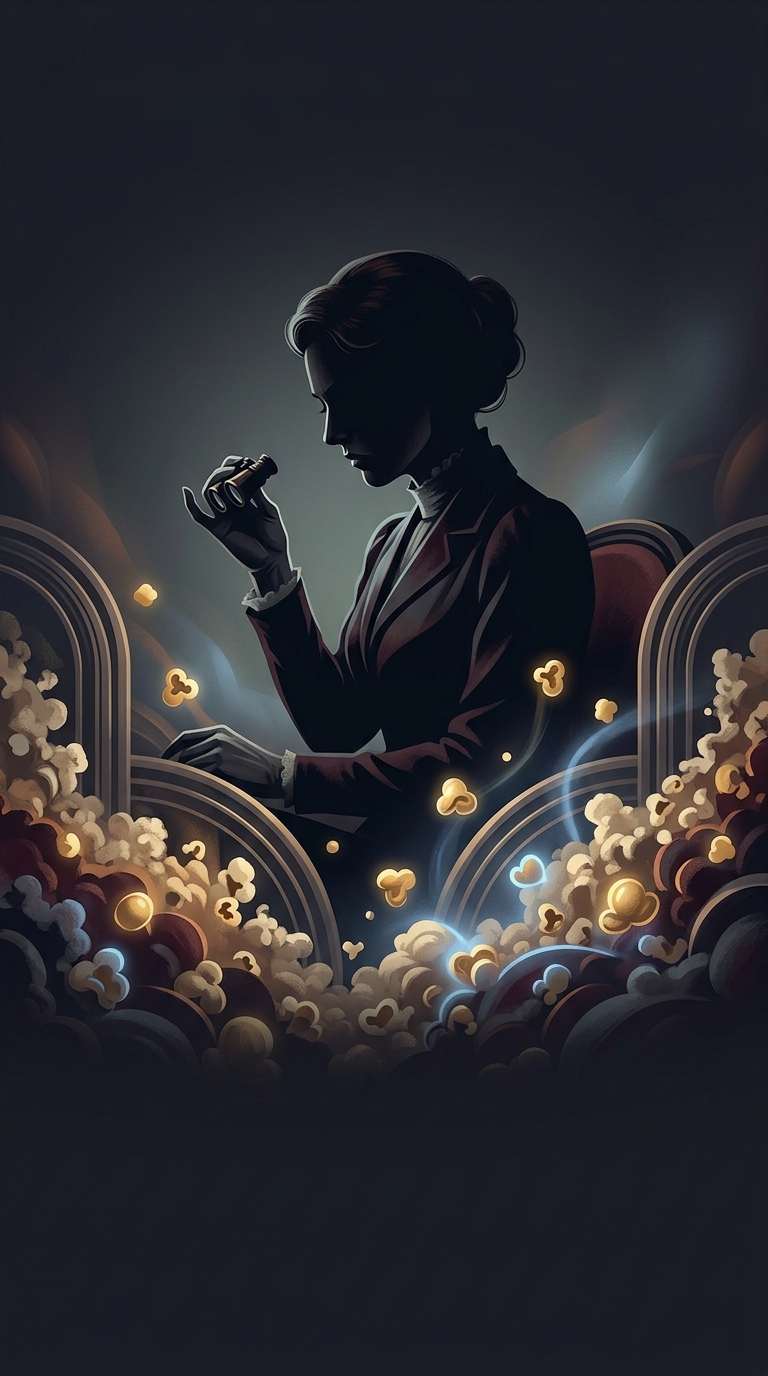
Why popcorn clashed with the early movie palace
In the early decades of moviegoing, many theaters wanted audiences to see them as elegant destinations, not noisy storefronts. The grandest cinemas borrowed the look of opera houses, with plush carpets, upholstered seats, and carefully dressed interiors. Popcorn—often bought from street vendors in paper bags—was cheap, greasy, and prone to scattering across the floor. For theater owners, it threatened both cleanliness and the refined image they were trying to sell.
There was also a practical mismatch. Many early cinemas had no purpose-built lobby or concession counter, and some treated the auditorium as a place for quiet attention. Even during silent films, rustling bags and crunching could distract other viewers. Rather than manage vendors and crumbs, theaters could simply bar outside food.
Theaters changed their minds
That ban was not permanent. As moviegoing became more popular with a broader public, theaters had reason to care less about maintaining an elite atmosphere and more about attracting customers. The economic pressures of the Depression made an inexpensive snack with a strong profit margin especially appealing. Popcorn sellers could also serve audiences outside theaters, where the cinema itself earned nothing from the sale.
Theaters eventually brought the snack inside and took control of the business, adding counters or stands where they could sell it themselves. The same qualities that once made popcorn unwelcome—its low price and mass appeal—made it a useful source of extra revenue. The shift turned a street-side treat into one of the defining parts of the moviegoing experience.