Why Grand Theft Auto V needed a blockbuster budget
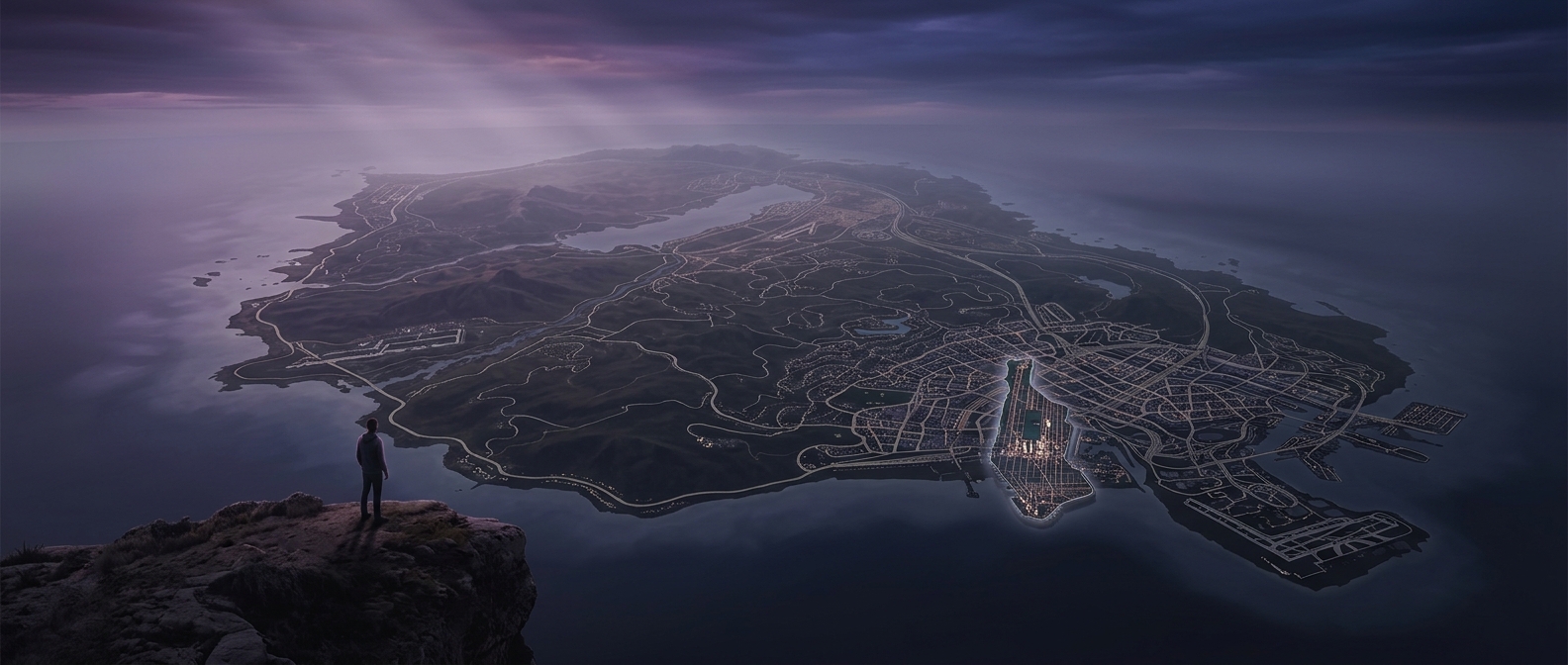
A huge open-world game is expensive not just because it contains a large map, but because that map has to keep working as players approach it from almost any direction. In Grand Theft Auto V, the city, countryside, traffic, missions, characters, and radio all have to feel like parts of one responsive place. A change to a road, for example, can affect a chase, a mission route, and what players see while roaming freely.
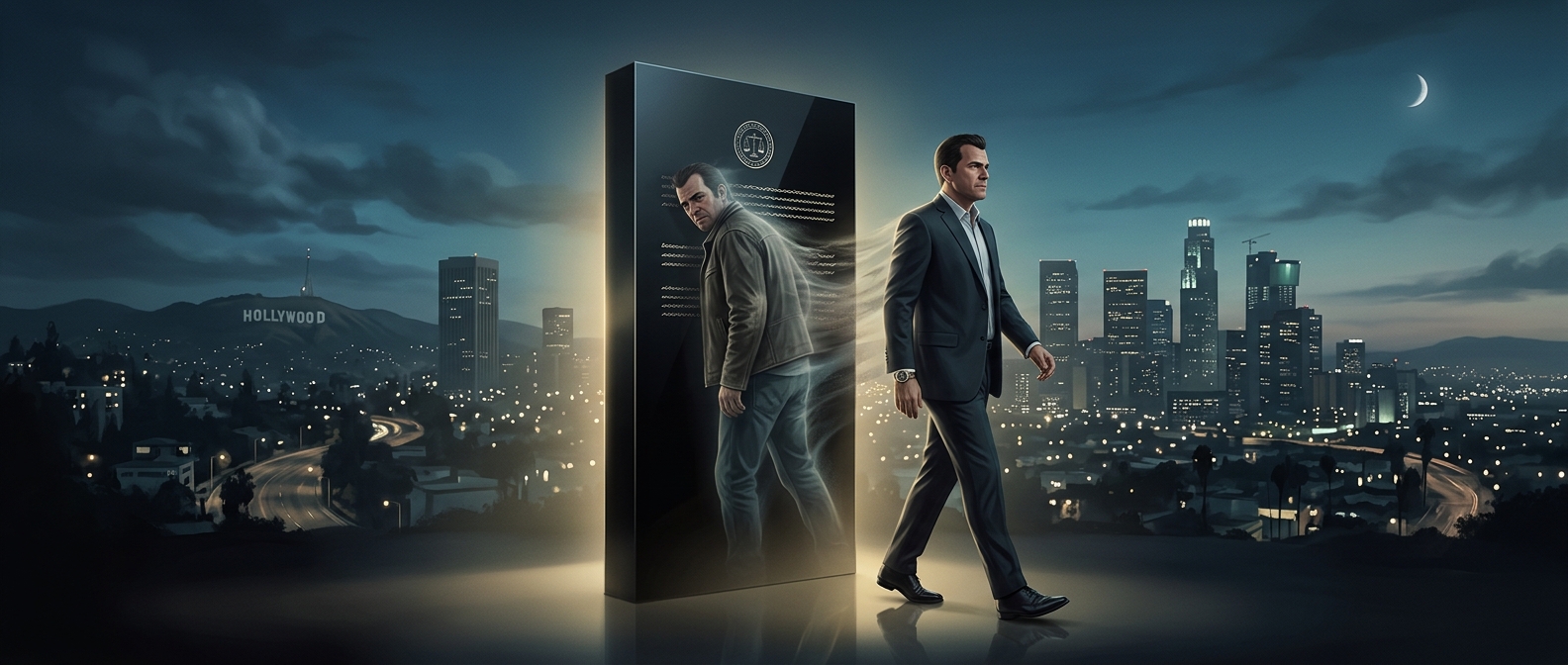
That scale demands many kinds of work at once: building environments and vehicles, animating characters, recording dialogue, composing and licensing music, and testing how systems interact. The game also follows three protagonists, requiring separate character arcs that converge within the same world. Each added layer creates more content to make—and more combinations to check for bugs.
The game was only part of the spending
The often-cited budget is an estimate, not a publicly audited price tag. Estimates of blockbuster game budgets may include both development, the work of making the game, and marketing, the campaigns that persuade people to buy it. Those are different costs, so a single headline number does not tell us exactly how much went to artists, programmers, advertising, or any other category.
The commercial logic is that a very large investment can pay off if a game attracts a broad audience and stays popular. GTA V was designed as a sprawling entertainment product, not a short experience players finish in a weekend. Its online mode also gave the world a life beyond the original story, making continued attention—and continued spending on the game—a central part of its value. The eye-catching budget reflects a bet on a game that could keep drawing players long after launch.