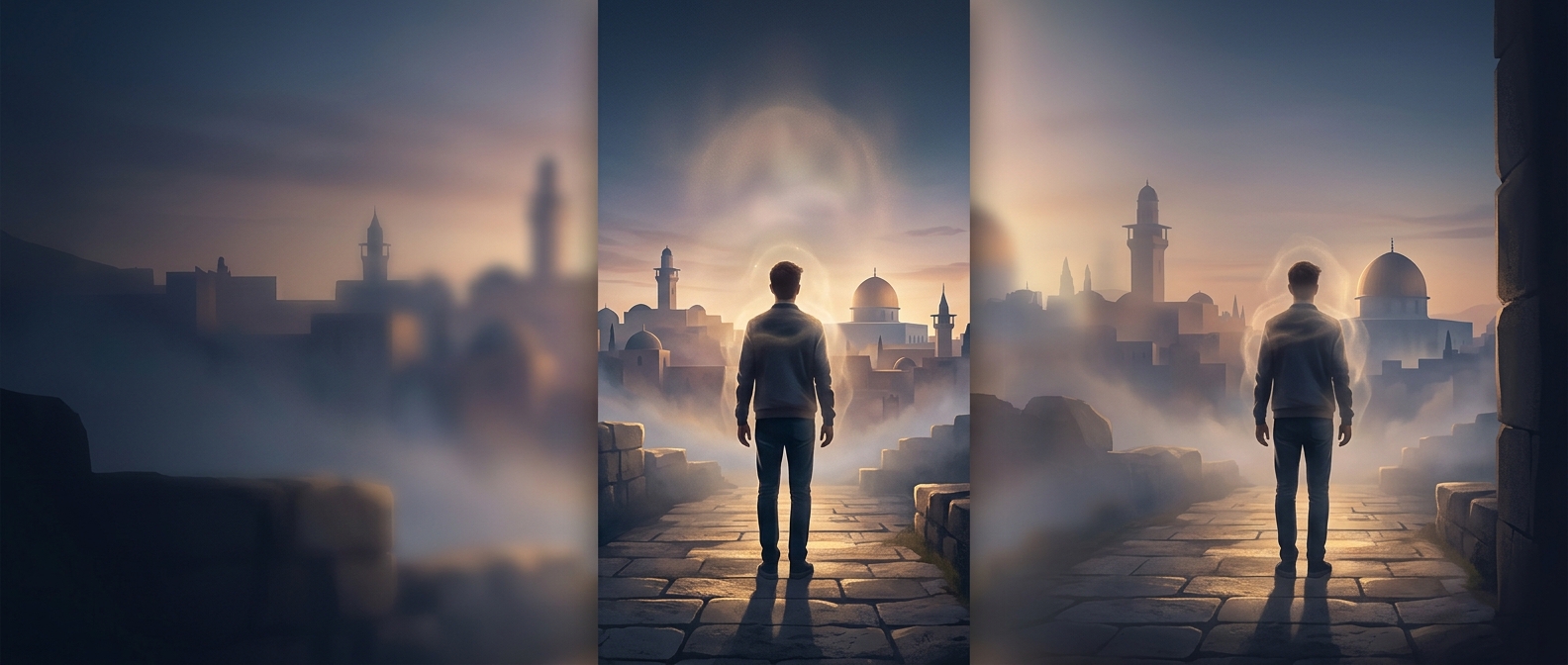
Why Jerusalem can shape a delusion’s story
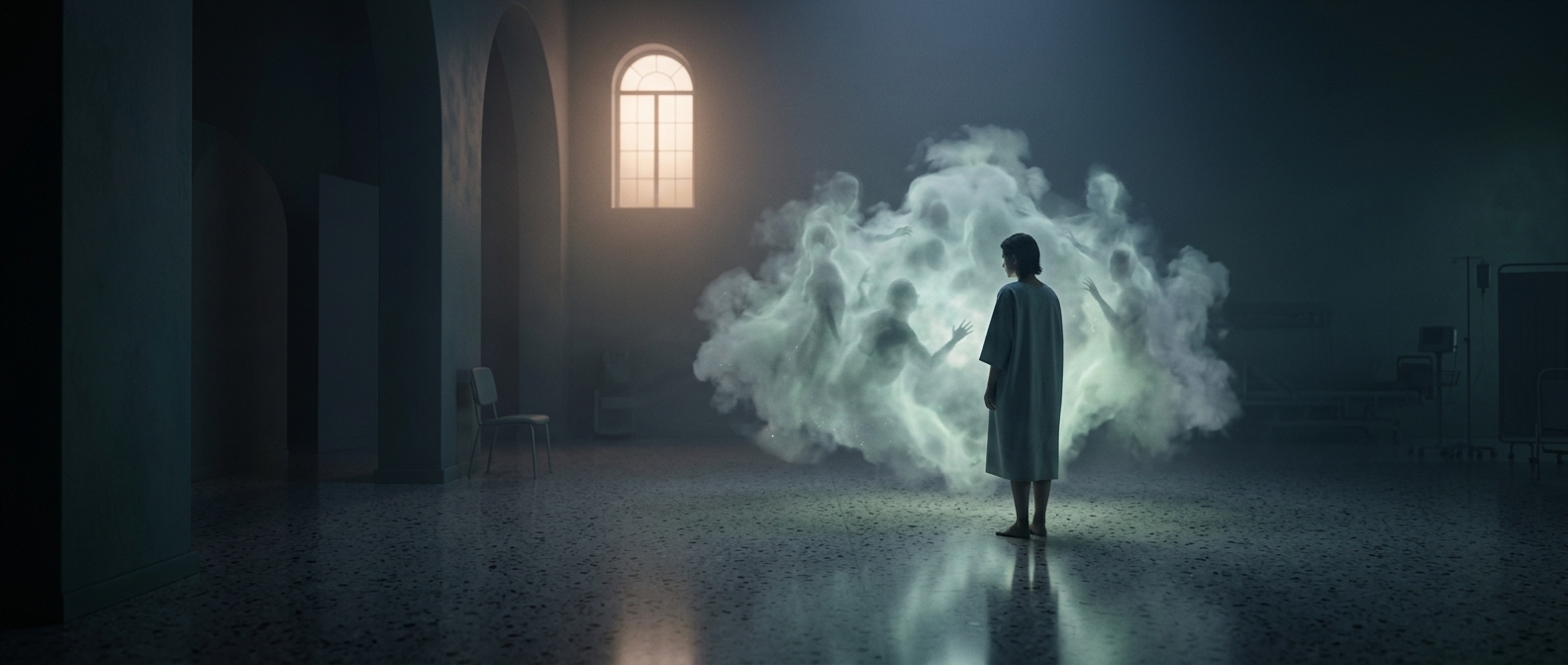
A delusion is a firmly held belief that does not fit the available evidence. When a person is developing psychosis—a state in which thoughts and perceptions can lose their usual connection to reality—the experience may feel urgent and profoundly meaningful. The mind still draws on memory and culture to interpret what is happening. In Jerusalem, sacred places and familiar religious narratives can supply vivid material for those interpretations.
That setting does not create psychosis by itself. Rather, it can influence the content of an episode in someone already vulnerable: unusual thoughts may be understood as a divine message, a biblical role, or a special mission. The surroundings can make that explanation feel especially compelling because the stories and sites seem to echo one another.
A powerful setting, not a simple cause
Psychiatrists have described episodes associated with visits to Jerusalem in which religious preoccupations become central to a person’s behavior or beliefs. The label sometimes used for this pattern is “Jerusalem syndrome,” but it is not a separate diagnosis that explains every intense religious experience. People can be deeply moved by a pilgrimage without becoming ill, and most visitors do not develop delusions.
The distinction matters: a sacred place may provide the imagery and apparent confirmation for a crisis, while the underlying vulnerability and circumstances are more complex. For relatives or companions, a sudden shift toward frightening certainty, confusion, or inability to care for oneself is more significant than religious devotion alone. In those moments, the practical priority is support and professional assessment—not arguing over whether a perceived revelation is true.