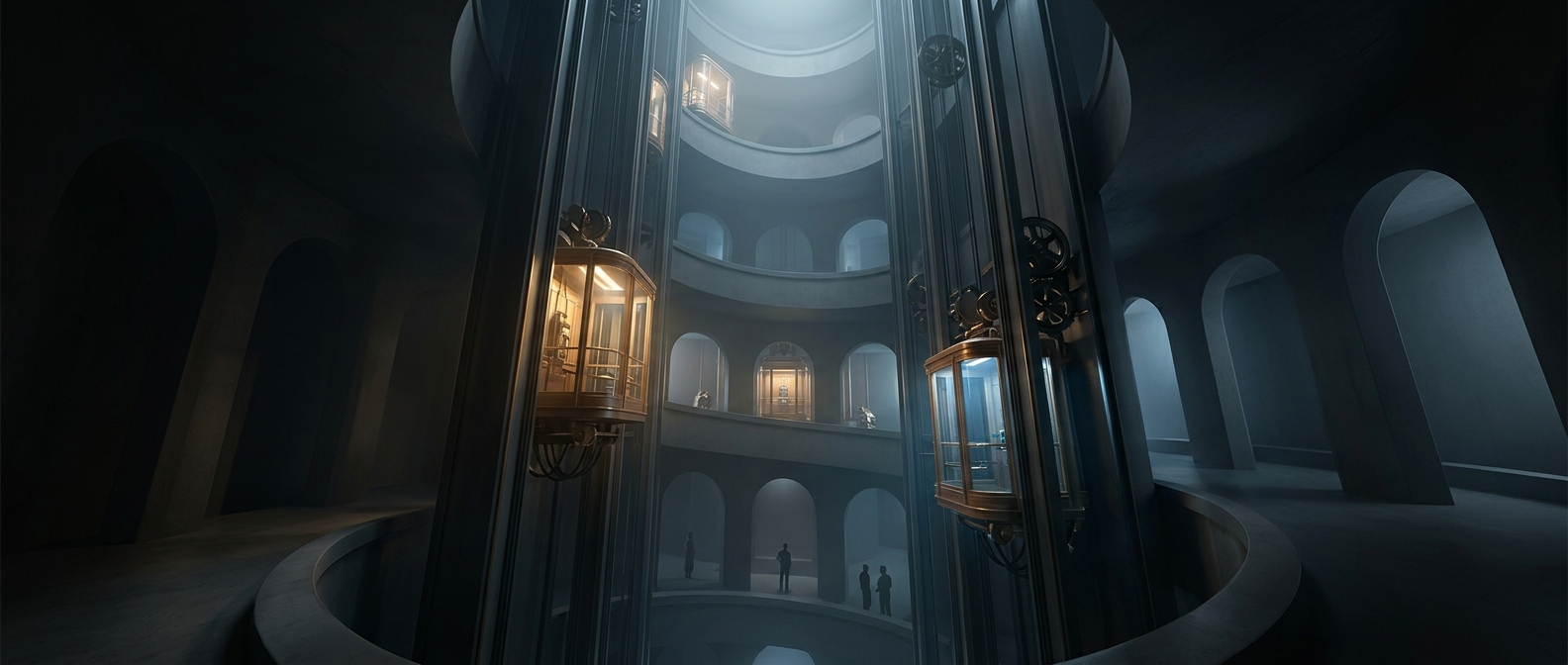
A loop instead of a lift-and-stop ride
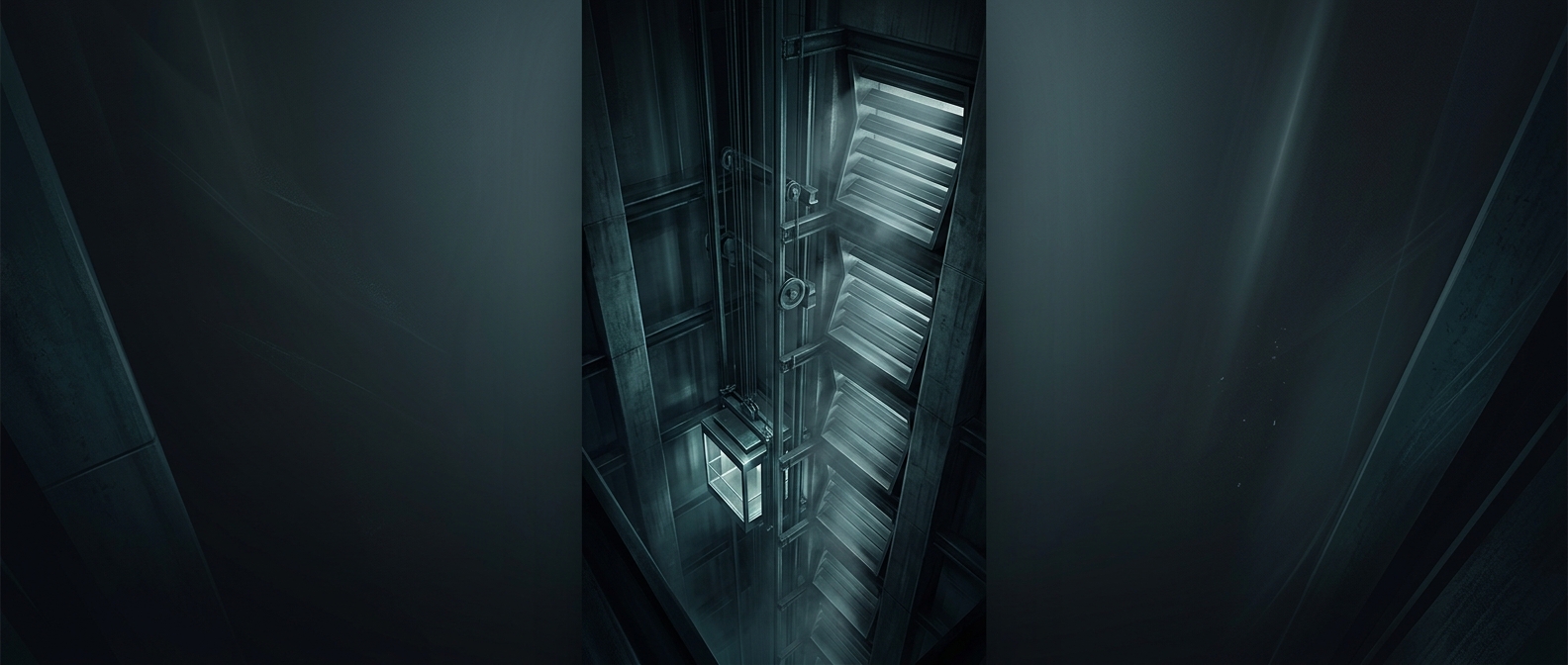
A conventional elevator gathers passengers in one car, then spends time stopping at requested floors. A paternoster uses a different rhythm: its small compartments are fixed to a moving chain that carries them around a continuous circuit. On one side they travel upward; after rounding the top, they return downward on the other. The machinery keeps the chain moving, so there is no call button or individual floor stop to coordinate.
Each compartment passes an opening at every level. A passenger chooses a compartment as it arrives, steps aboard, and steps off at the desired floor. The design trades the ease of waiting for a stationary car for a steady stream of available rides. When one compartment has just passed, another follows; the ride depends on catching the moving platform rather than summoning it.
The tradeoff is built into the doorway
Because the compartments keep moving, they do not have the usual doors that close before a trip. Boarding and leaving therefore require attention and a sure step, especially for anyone carrying bulky items or moving slowly. The system works best when passengers can judge the timing and enter or exit promptly.
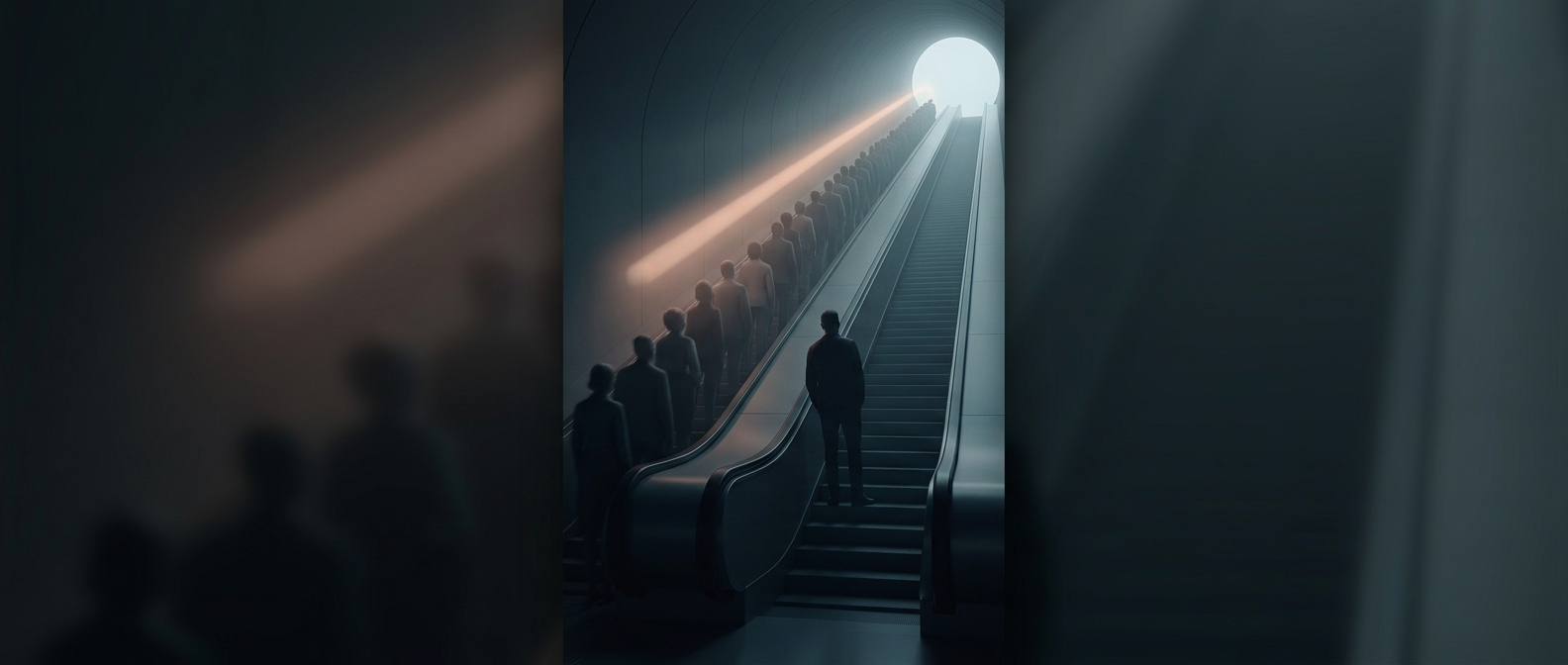
That limitation is also what makes the elevator feel so unlike a modern lift: the building’s traffic flows continuously instead of arriving in separate, stopped journeys. A paternoster’s defining feature is not simply that its cabins are open, but that the whole ride is organized around motion that never waits.