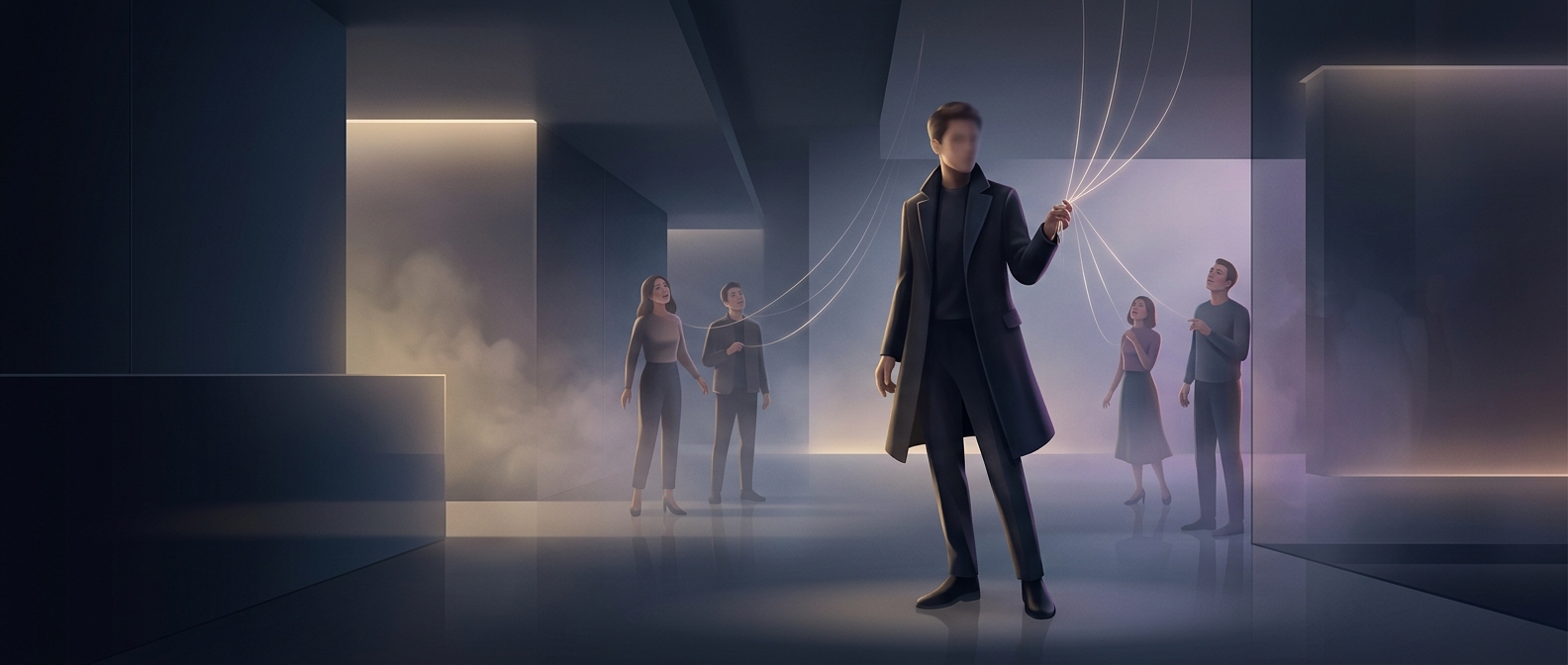
The hidden work of managing an impression
In conversation, attention can split between the other person and an internal running check: Am I smiling enough? Did that joke land? Should I say something now? Psychologists often call this kind of attention to how one appears self-monitoring. It can help people adapt to different social settings, but keeping it switched on takes mental effort.
That effort grows when someone’s natural pace or mood differs from the persona they are trying to project. They may have to plan responses, amplify enthusiasm, or suppress signs of discomfort while also following what others are saying. The exchange can look effortless from the outside even as the person is continually choosing how to come across.
Why the effort can linger
Conversation already involves tracking words, tone, facial expressions, and turn-taking. Adding a second task—monitoring and adjusting one’s performance—uses some of the same limited attention. A person may therefore leave a gathering tired not because every interaction was unpleasant, but because each one required extra regulation.
There is also a difference between choosing a social style freely and feeling obliged to maintain it. When the performance feels compulsory, the mismatch between private experience and outward display can make the interaction more draining. This does not mean that being lively is inherently false, or that everyone who feels tired after socializing is pretending; fatigue can have many causes.
Small ways to reduce the load
The useful question is not whether to be outgoing, but how much constant management a particular setting demands. Letting pauses happen, responding at a natural pace, or taking a brief break can reduce the need to keep producing visible energy. Sometimes the exhaustion comes less from being with people than from having to supervise yourself while you are with them.