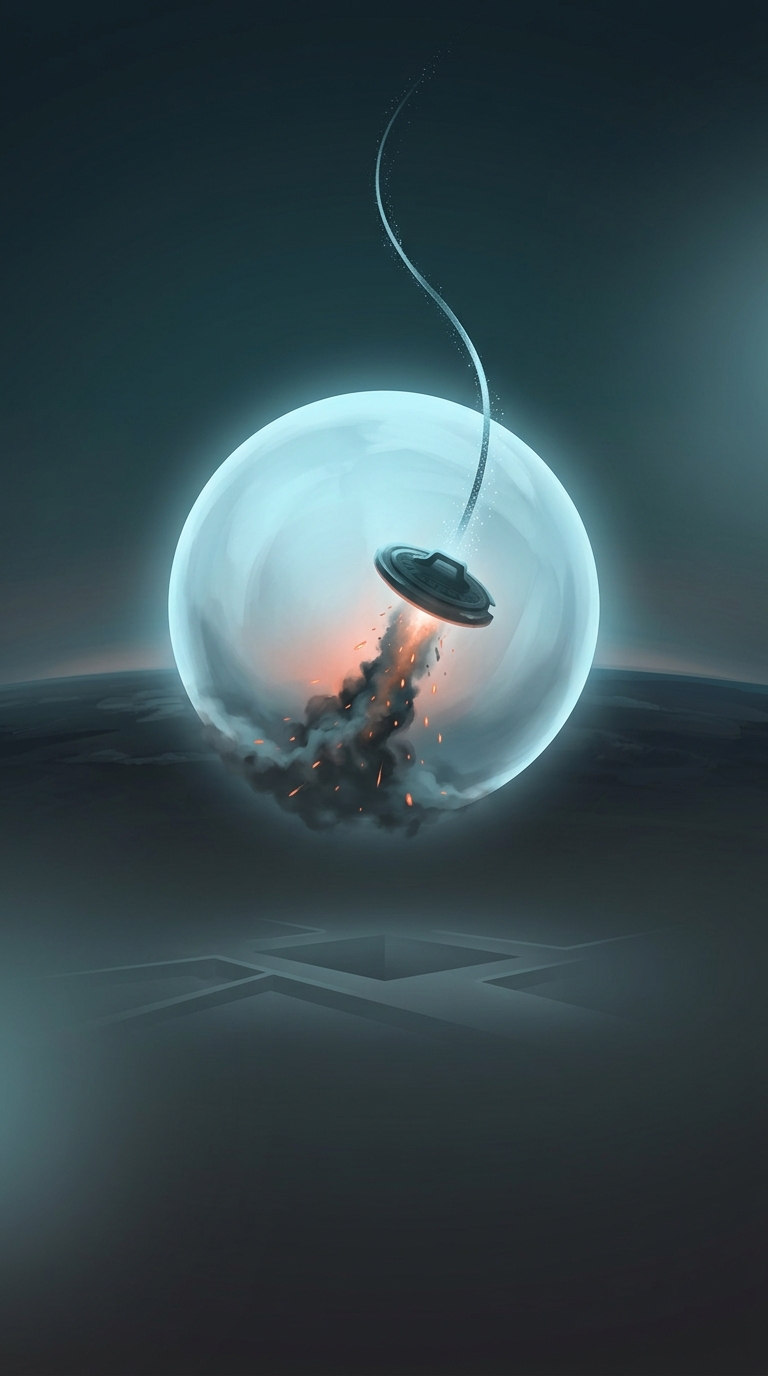
The steel cap blasted from an underground test
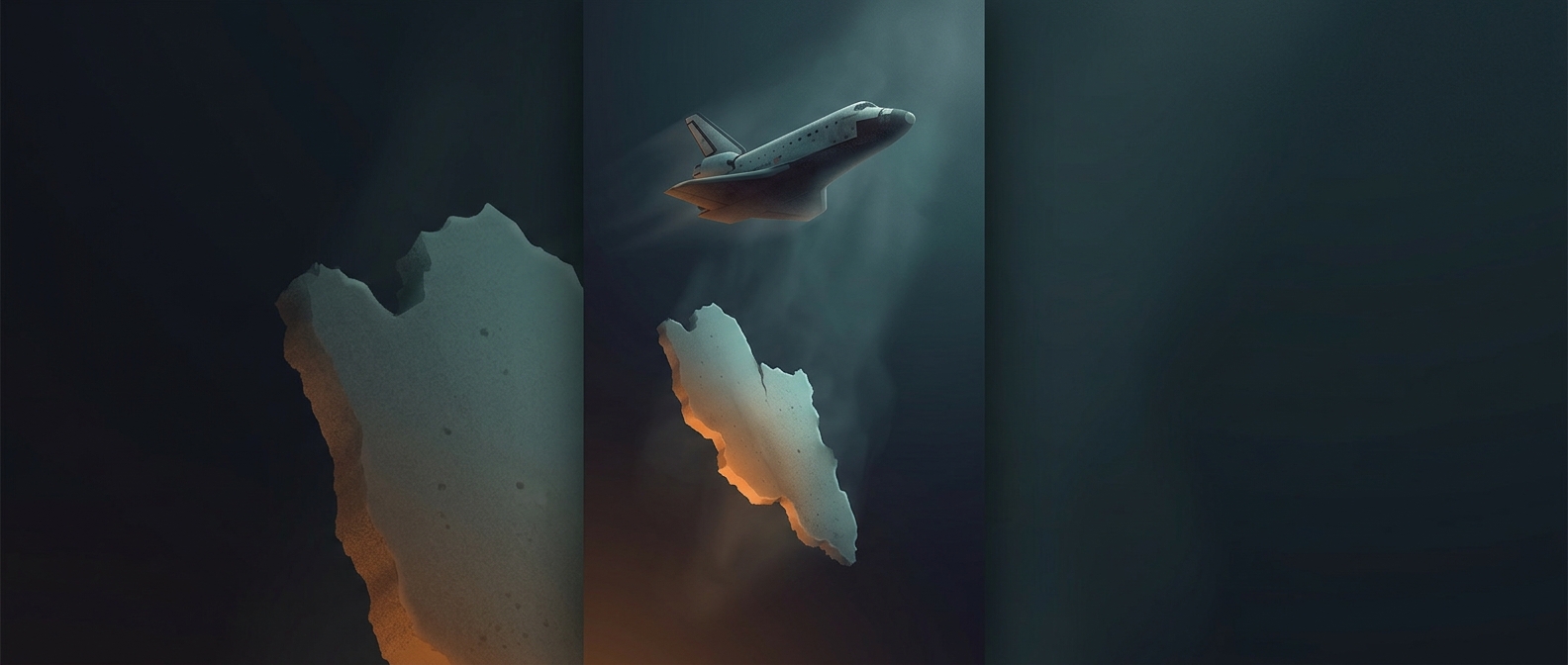
The object was a heavy steel plate placed over the top of a narrow shaft for the 1957 Pascal-B nuclear test in Nevada. The explosion took place underground, but the shaft gave the expanding gases a path upward. As the pressure surged, it hurled the plate toward the surface like an improvised projectile.
Physicist Robert Brownlee later described a high-speed camera catching the cap in just one frame. From that scant evidence, he estimated that it may have been moving fast enough to escape Earth’s gravity—perhaps several times faster than the required escape speed. The estimate was not a direct measurement: the camera could track the plate only briefly, and its speed was inferred from how far it appeared to travel between frames.
A remarkable launch, not a confirmed spaceflight
That calculation made the steel cap a candidate for the first human-made object to reach space. But reaching escape speed at the mouth of the shaft did not guarantee it could make it through the atmosphere. Air resistance would have been enormous, and the cap may have slowed, heated, or broken apart before getting very far. No one recovered it, and there is no evidence confirming that it survived into space.
The episode is striking because the test was designed to study an underground nuclear blast, not to launch anything. The cap’s fate remains unknown: it may have been briefly driven upward at extraordinary speed, but the first artificial object known to orbit Earth was Sputnik 1, launched later that year.