Choosing a Start Time by Reading the Sky
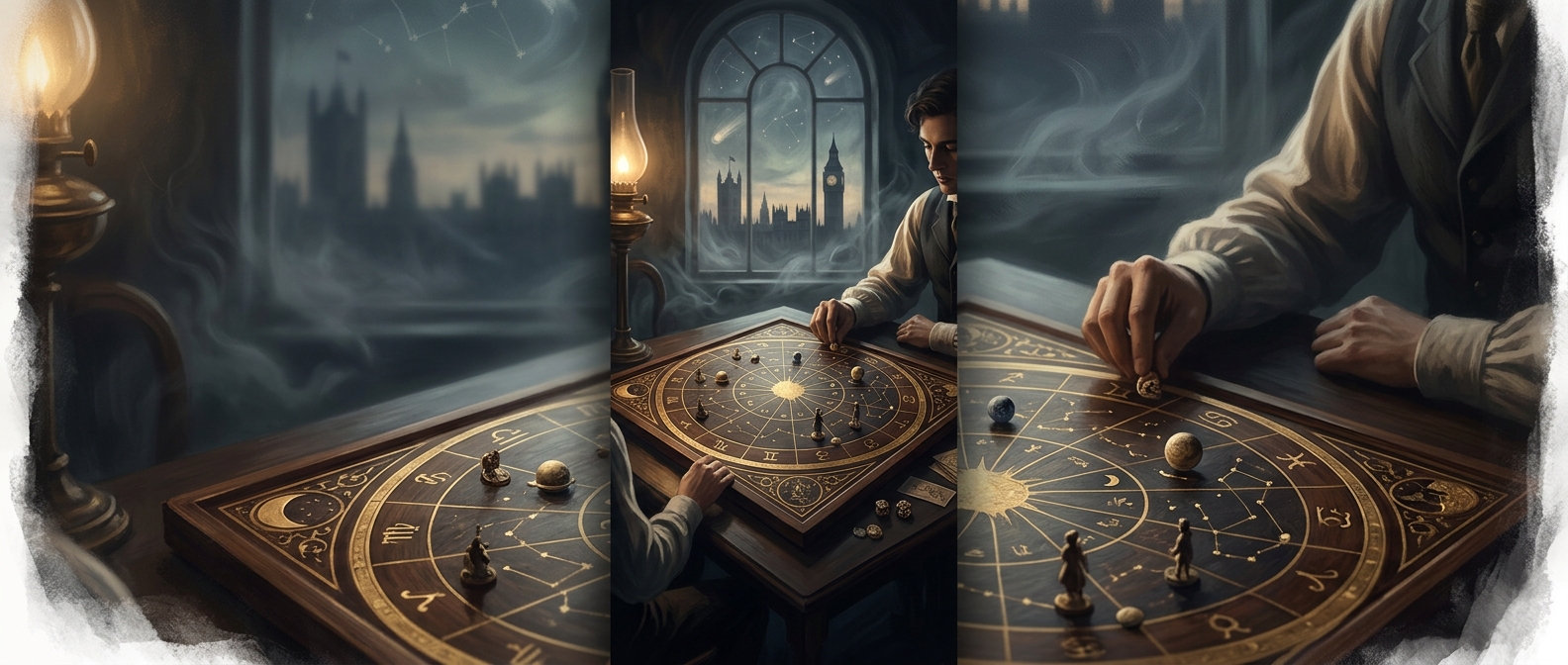
Electional astrology works backward from a planned beginning. Instead of asking what a birth chart says about someone already born, a practitioner selects a future moment—when a wedding ceremony is to begin, for example—and interprets the sky at that time as a chart for the event itself.
The underlying idea is that a beginning sets a pattern. A favorable chart is thought to support the undertaking; an unfavorable one may be taken as a reason to wait or choose another hour. This is a traditional astrological belief, not a demonstrated way to ensure that an event will succeed.
How an “Election” Is Made
The practitioner first identifies what the event is meant to accomplish, then compares possible dates and times using astrological rules. In astrology, planets are assigned symbolic meanings, and their positions and relationships are read as clues about how an undertaking might unfold. The chosen moment is called an election—a selected time, not a political vote.
That makes the practice less like predicting a single unavoidable future and more like choosing when to act within an astrological framework. A ceremony can be scheduled for a preferred hour; a ship’s launch or business opening may have practical limits that narrow the options. If no ideal time is available, the practitioner may look for the most favorable choice among the feasible ones.
The Cost of Waiting
The method turns timing into a decision with tradeoffs. Delaying may feel worthwhile to someone who trusts the chart, but real plans also depend on people, weather, venues, money, and deadlines. A carefully selected hour cannot control those conditions or guarantee an outcome. Its practical force is that it can shape when people commit to begin—and sometimes make an ordinary scheduling choice feel like part of the event’s meaning.