How “disaster” became a word for catastrophe
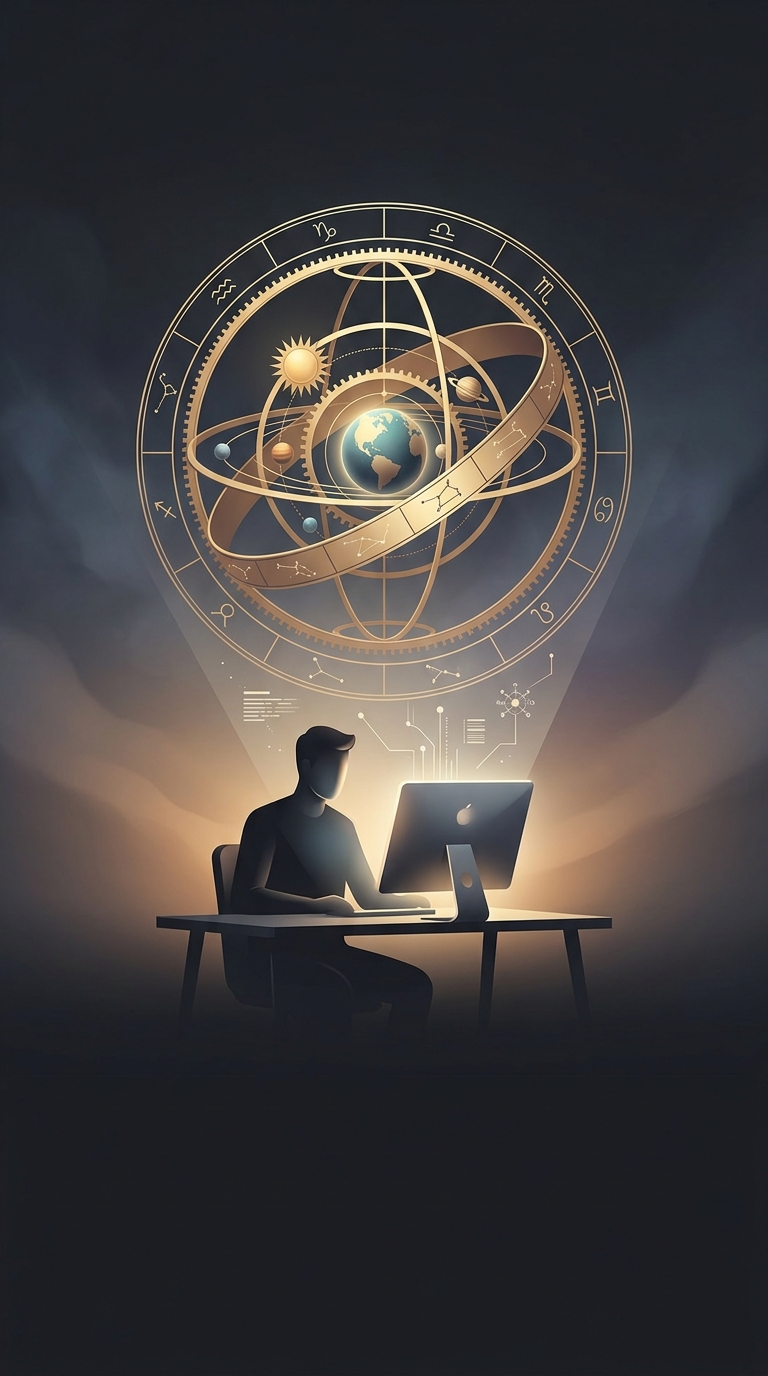
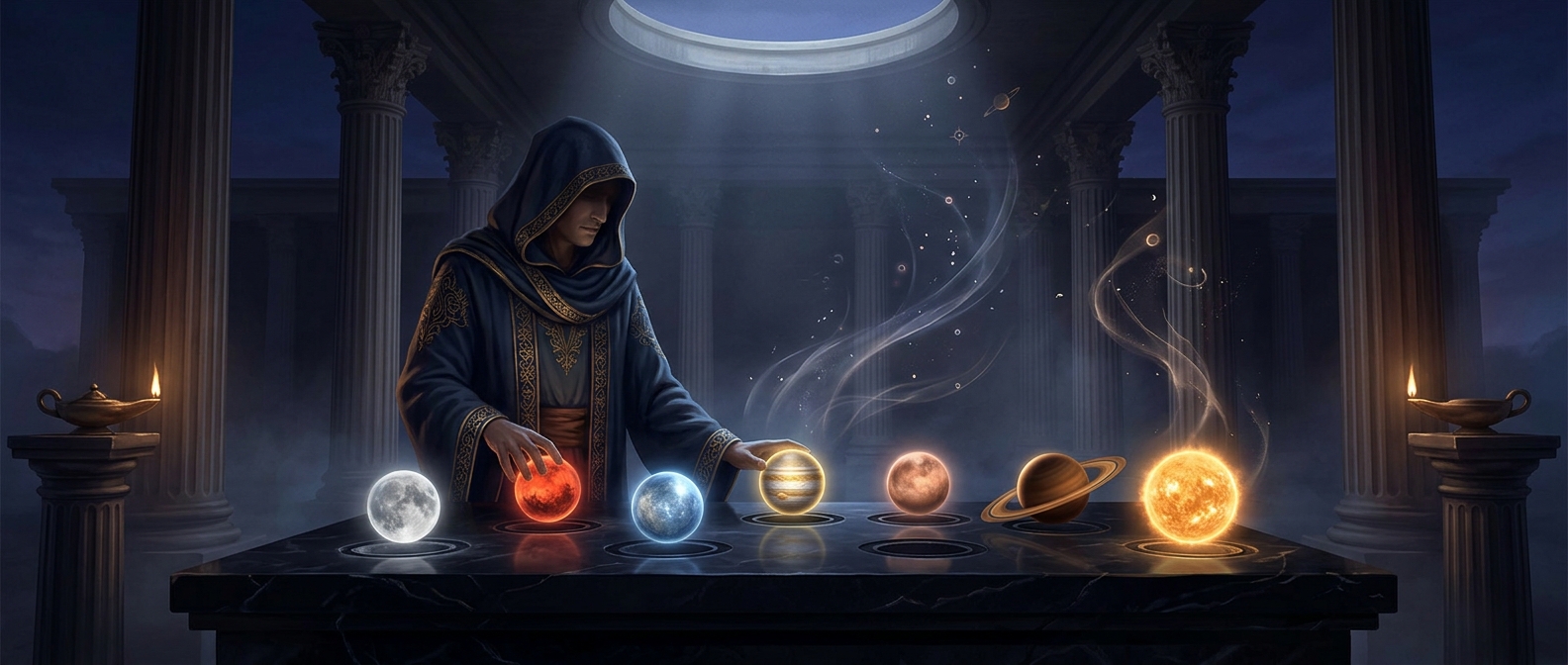
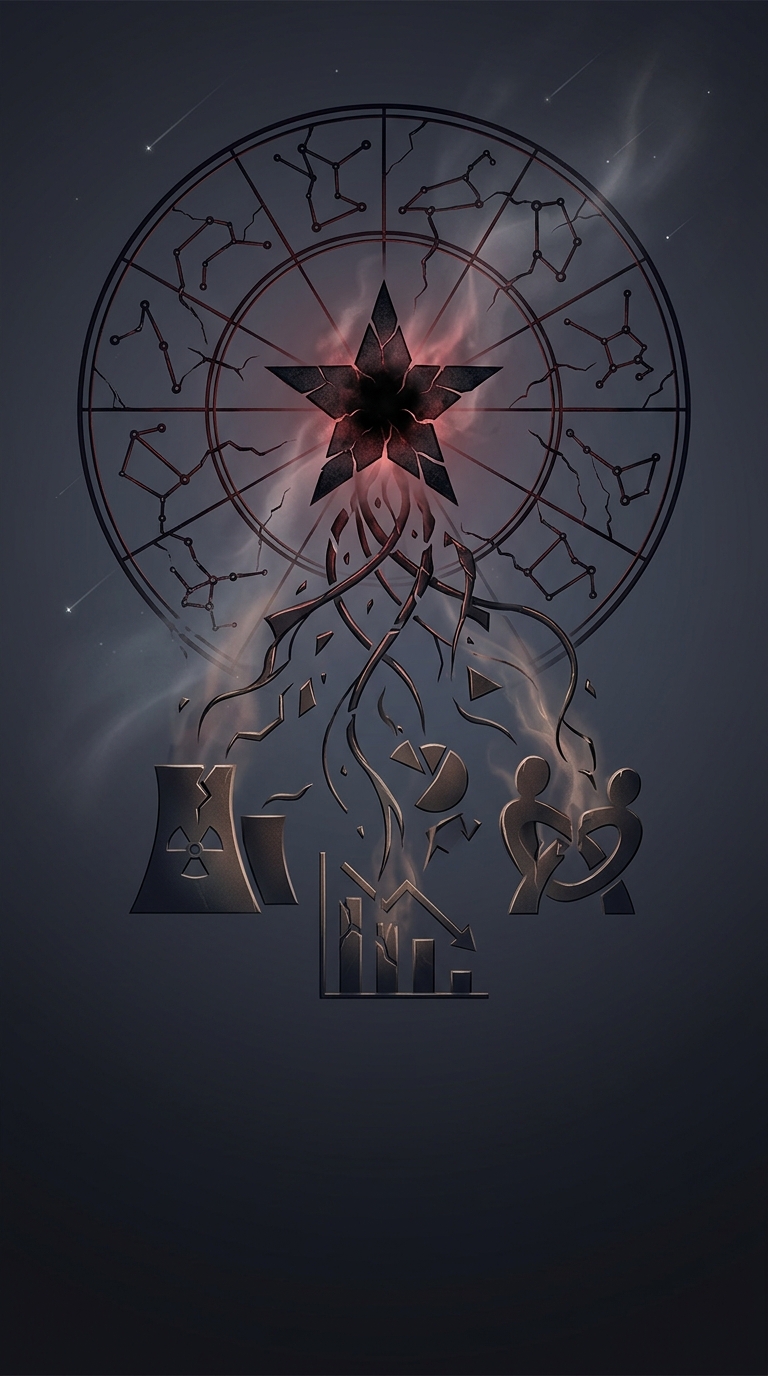
“Disaster” came into English through Italian disastro and French désastre, with roots in Greek: dys- means “bad” or “ill,” and astron means “star.” The word’s original sense was an unfavorable influence associated with the stars—not simply a poetic way to say that something went badly.
That meaning made sense in a world where astrology offered a framework for connecting events in human life to the heavens. An “ill-starred” person or undertaking was thought to be under a damaging celestial influence. The word preserved that idea even as its use broadened: over time, disaster came to mean a grave calamity, without requiring anyone to believe the planets had caused it.
From celestial influence to material causes
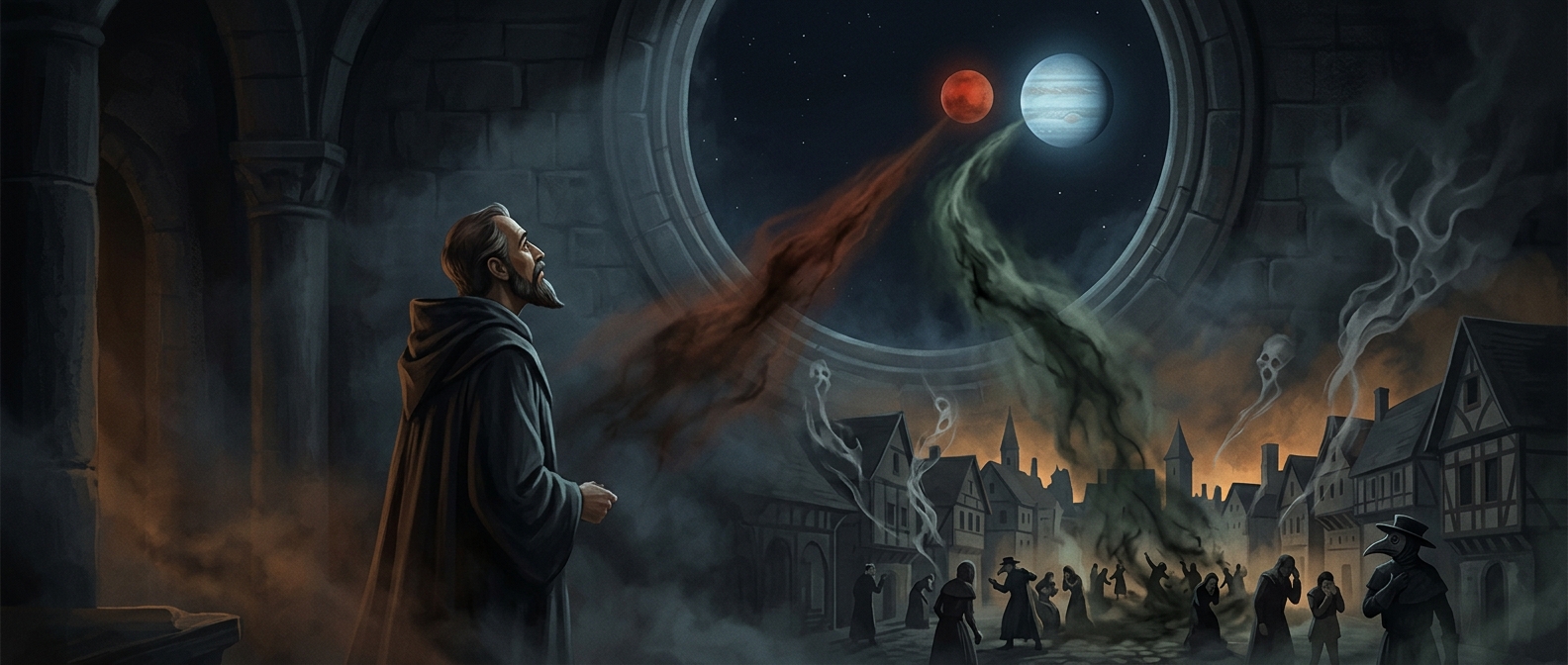
The shift reflects a change in how people explain misfortune. A crop failure, storm, or epidemic could once be understood through the language of fate and the stars. Modern explanations instead look for mechanisms: weather systems, pathogens, geological movement, human decisions, or failures of infrastructure. The word stayed; the explanations changed.
That distinction matters because calling something a disaster describes its severity, not its cause. A hurricane may be a natural hazard, while the damage it causes depends partly on where people live, how buildings are designed, and how warnings reach them. Likewise, a technological catastrophe can result from a chain of practical failures rather than any single force.
A trace of an older worldview
Today, “disaster” applies to events as different as a nuclear accident and a financial collapse. Its stellar ancestry is mostly hidden in everyday speech, but it leaves a small historical imprint: people still use a word born from the idea of bad stars to describe calamities we investigate through evidence and physical cause. The stars remain in the vocabulary, not in the explanation.