How a Label Can Become a Script
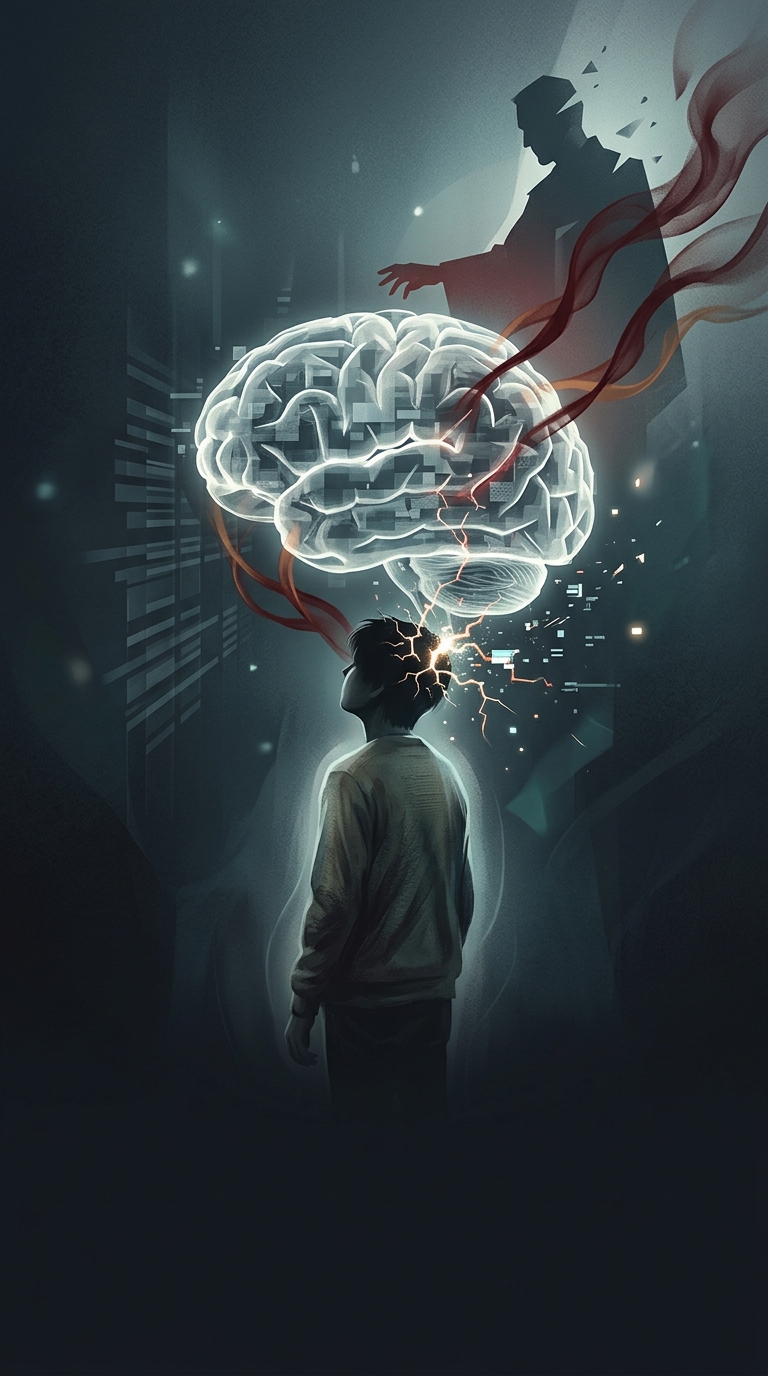
Calling a child a “troublemaker” does not guarantee they will misbehave. But repeated labels can help create a self-fulfilling prophecy: an expectation changes how people respond, and those responses can make the expected behavior more likely.
A child who is treated as difficult may get more suspicion and fewer chances to explain themselves. An ordinary mistake may be read as deliberate defiance; the same behavior from another child may be brushed off. Adults may step in more quickly, impose stricter consequences, or offer less responsibility. The child then has fewer opportunities to show a different side—and more moments of conflict to react to.
From Other People’s Expectations to Self-Image
Children also learn who they are partly through how others treat them. If “troublemaker” becomes a frequent description, a child may start to see it as a role: That’s what people expect from me. Acting in character can feel easier than repeatedly trying to disprove the label, especially when good behavior receives little notice but mistakes draw immediate attention.
That does not mean a label mechanically causes misconduct. Temperament, circumstances, and the specific behavior all matter. The risk is that a broad judgment about a child’s character can replace attention to what happened and what might help next.
Describe the Act, Not the Child
There is a practical difference between “You’re a troublemaker” and “You interrupted twice; let’s work out how you can get a turn.” The second response names an observable action, sets a boundary, and leaves room for change. It also gives adults a more useful question: what was happening before the behavior, and what response could make a better outcome easier?
A label is not destiny, but it can become part of a feedback loop. When adults treat a child as capable of making a different choice, they create more chances for that choice to become the pattern people notice.