Why a Single Act Can Look Like a Personality
A stranger’s behavior arrives as a visible result: a cashier gets snapped at, a meeting is interrupted, a message goes unanswered. The situation that produced it is mostly hidden. Because the action is right in front of us, it is easy to treat it as evidence of a stable trait—rudeness, selfishness, carelessness—rather than ask what pressures or constraints might have shaped it.
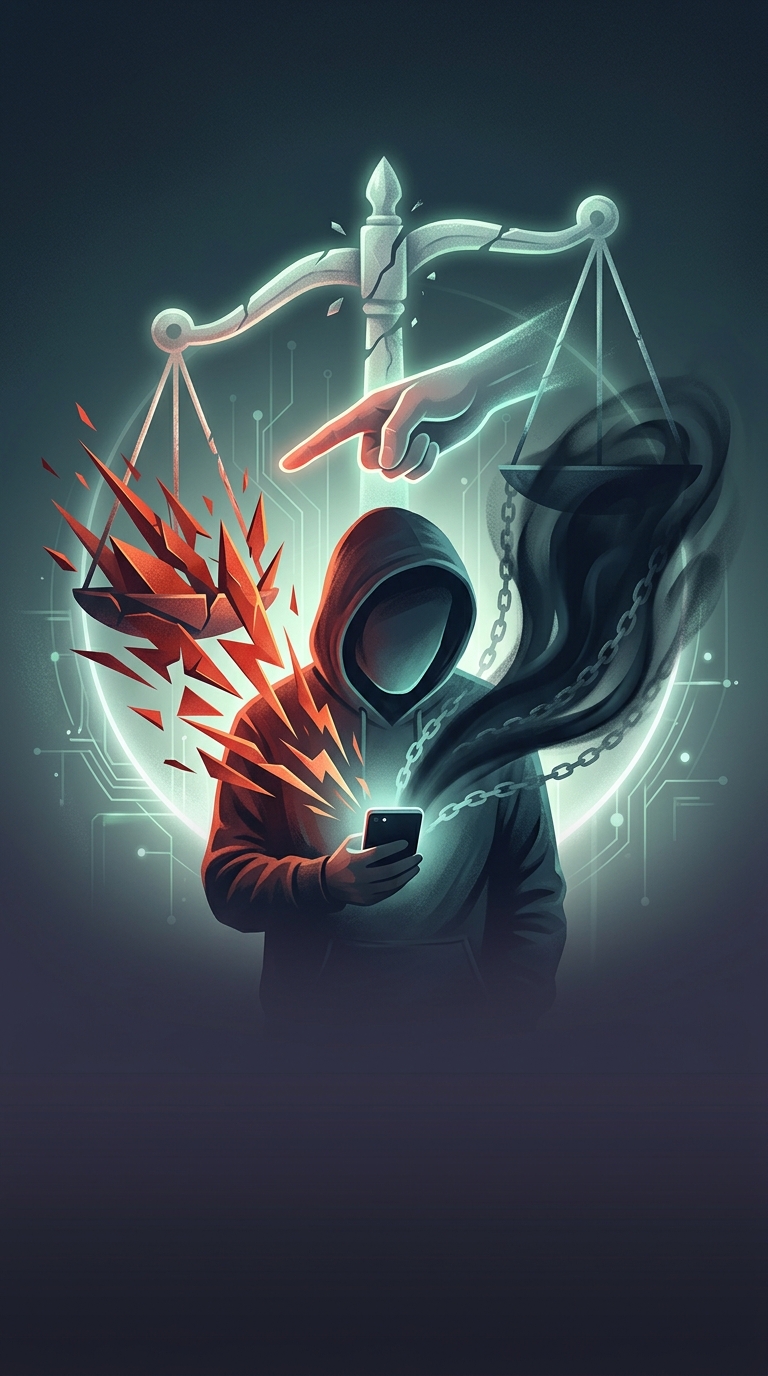
Psychologists call this tendency the fundamental attribution error: when explaining other people’s behavior, we often give too much weight to their character and too little to the circumstances. The same sharp remark can look like proof that someone is abrasive when we hear it from across the room, but like an understandable lapse when we know about the headache, delay, or bad news behind it.
The Missing Context Changes the Story
This imbalance is not simply a matter of hypocrisy. We have direct access to our own intentions, distractions, and stress, but usually see other people only from the outside. Their situation has to be inferred; ours is already in view. And when another person acts, the person stands out more than the background conditions, so the behavior can seem to come from who they are.
That first explanation can harden quickly. Once someone is labeled “rude,” later ambiguous moments may seem to confirm it, while their patience or generosity gets less attention. In a workplace, friendship, or family argument, this can turn a brief mistake into a judgment about someone’s whole character—and make repair harder.
A Small Pause Before the Verdict
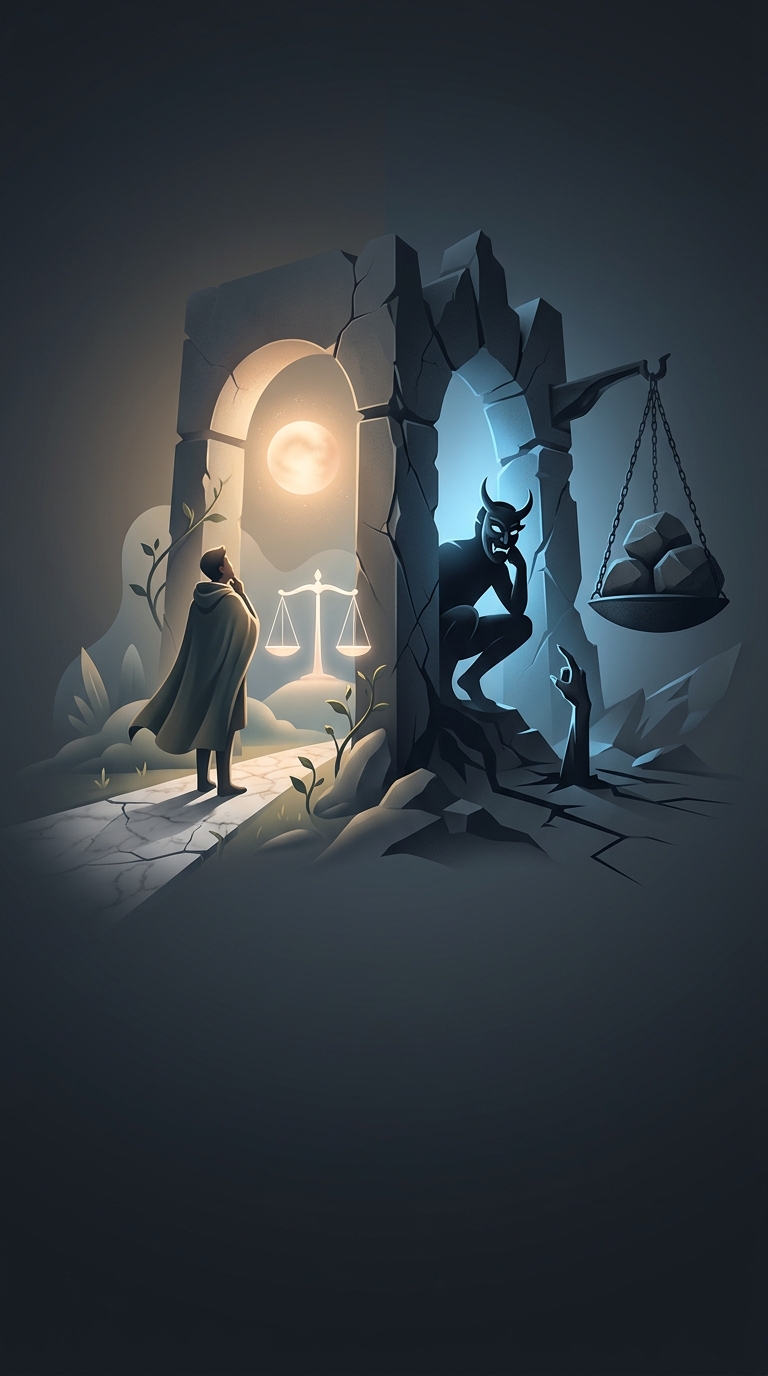
The useful correction is not to excuse every hurtful act or assume everyone had a good reason. It is to separate what happened from what it proves. Before deciding that a person is inconsiderate, ask what pressures, information, or limits might have been invisible. Then consider whether the same evidence would feel different if it were your own mistake.
That pause does not erase responsibility. It makes the judgment more proportional: one bad moment may call for an apology or boundary, but it does not automatically tell the whole story of a person.