The ride’s skeletons were once real
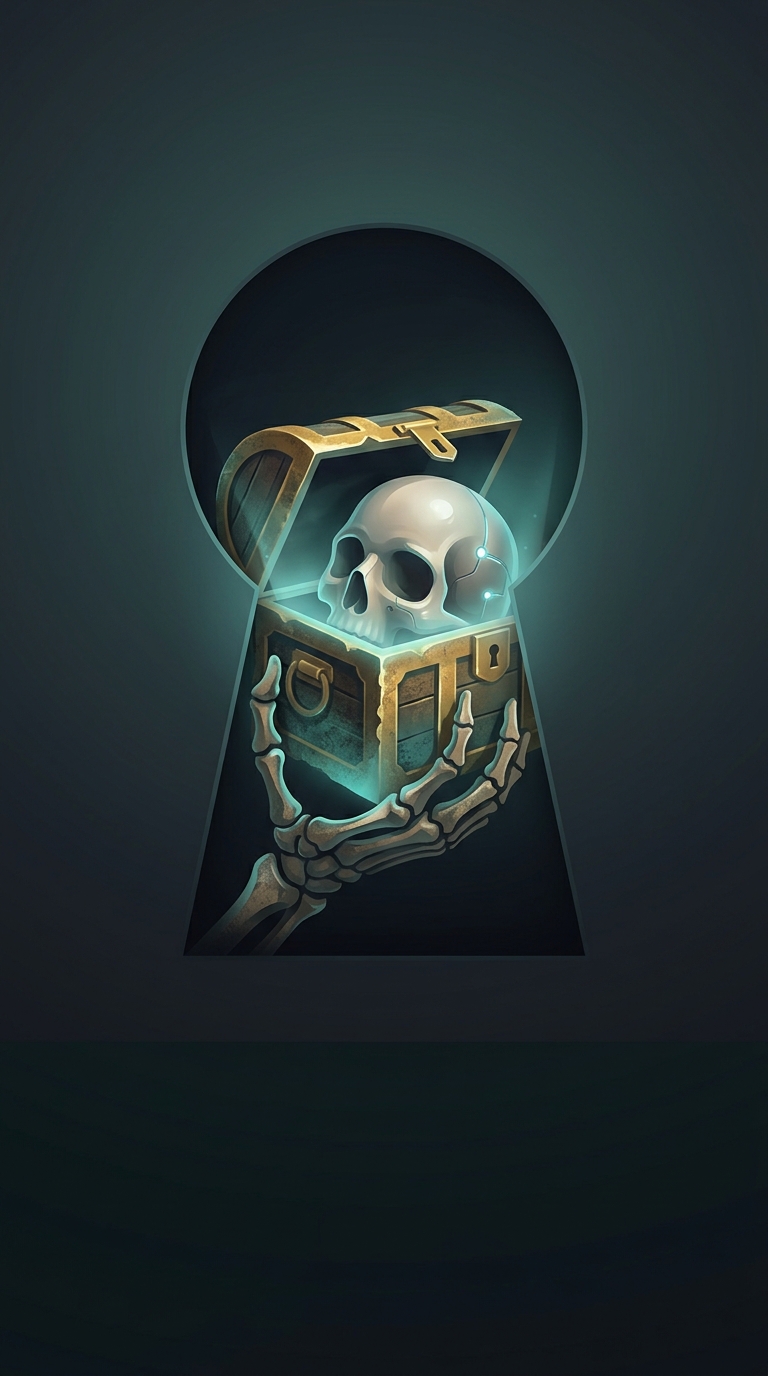
When Disneyland’s Pirates of the Caribbean opened, some of the skeletons arranged throughout the ride were human remains—not theatrical props. They appeared in scenes meant to suggest the aftermath of pirate life, from skeletal figures at a banquet to remains in a shipwreck.
Why use human remains?
The effect depended on making the skeletons look convincing in close-up. At the time, artificial versions could look too crude or obviously manufactured under the ride’s lighting. The attraction’s creators obtained real skeletons through a medical source, giving the scenes anatomical detail that props could not yet match.
As better artificial skeletons became available, the real remains were replaced. The decision reveals a practical tension in early theme-park design: building a convincing fantasy sometimes meant using materials that were startlingly real. The ride’s eerie atmosphere was not only a matter of pirate storytelling; some of its most unsettling scenery had once been part of actual human bodies.