A zero is a choice, not just a bad roll
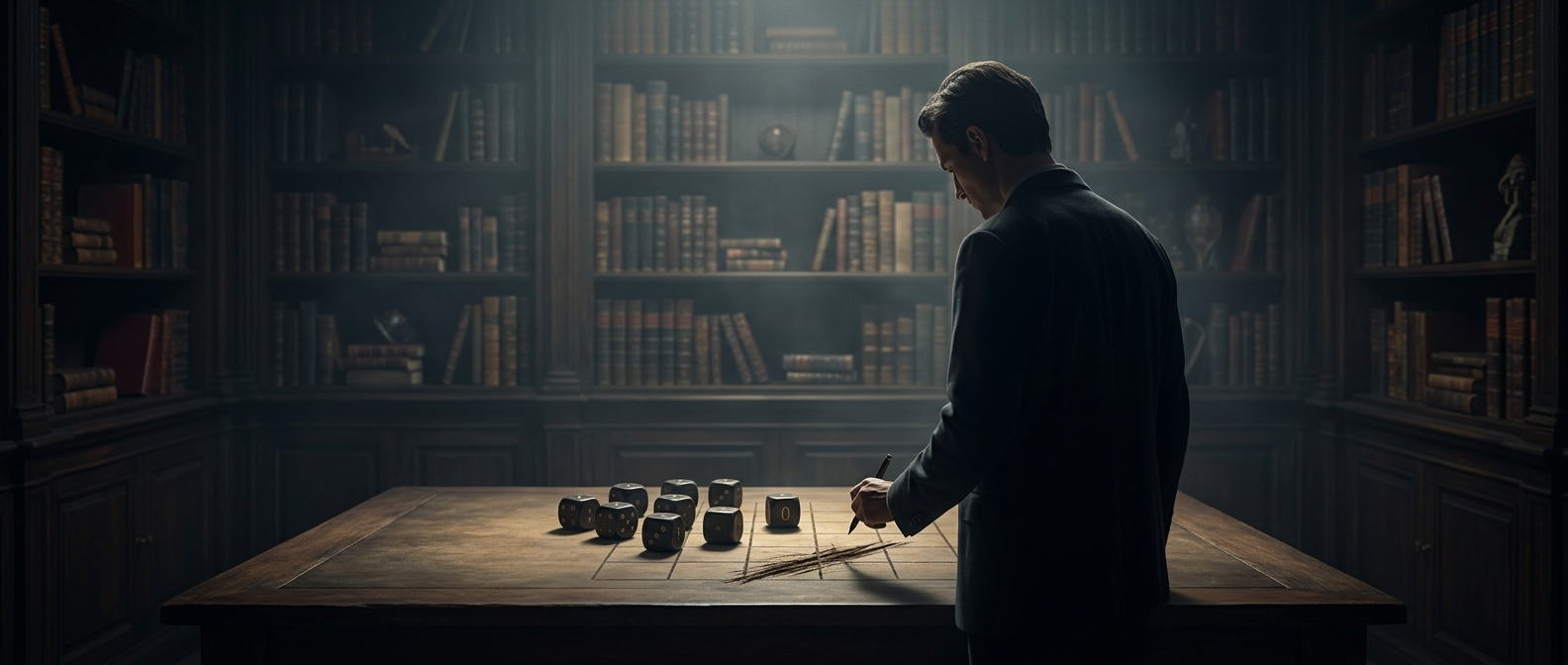
In Yahtzee, each scoring category can be used only once. After rolling, you choose where to record the result—even if the dice do not meet that category’s requirements. Marking a category with a zero, often called scratching it, closes it for the rest of the game.
That makes a scratch a strategic decision. You might put an awkward roll in a category that would score little anyway, rather than sacrifice one that could still pay off later.
Why the large straight hurts to lose
A large straight is five consecutive numbers: 1–2–3–4–5 or 2–3–4–5–6. It scores 40 points, so crossing it off for zero gives up a substantial possible score. But keeping it open is no guarantee of success: the needed sequence may never appear, even with up to three rolls in a turn as you hold some dice and reroll others.
The tradeoff is between protecting a valuable chance and using up a category whose future score may be modest. If a poor roll can be placed somewhere less promising, scratching that category may preserve the straight for another turn. If the remaining options are worse—or the game is nearly over—the zero may be the least costly place to put it.
Every scratch therefore changes the choices available on later turns. The dice determine what you rolled; your scorecard determines which opportunities you still have.