Why Longyearbyen’s cemetery stopped taking new burials
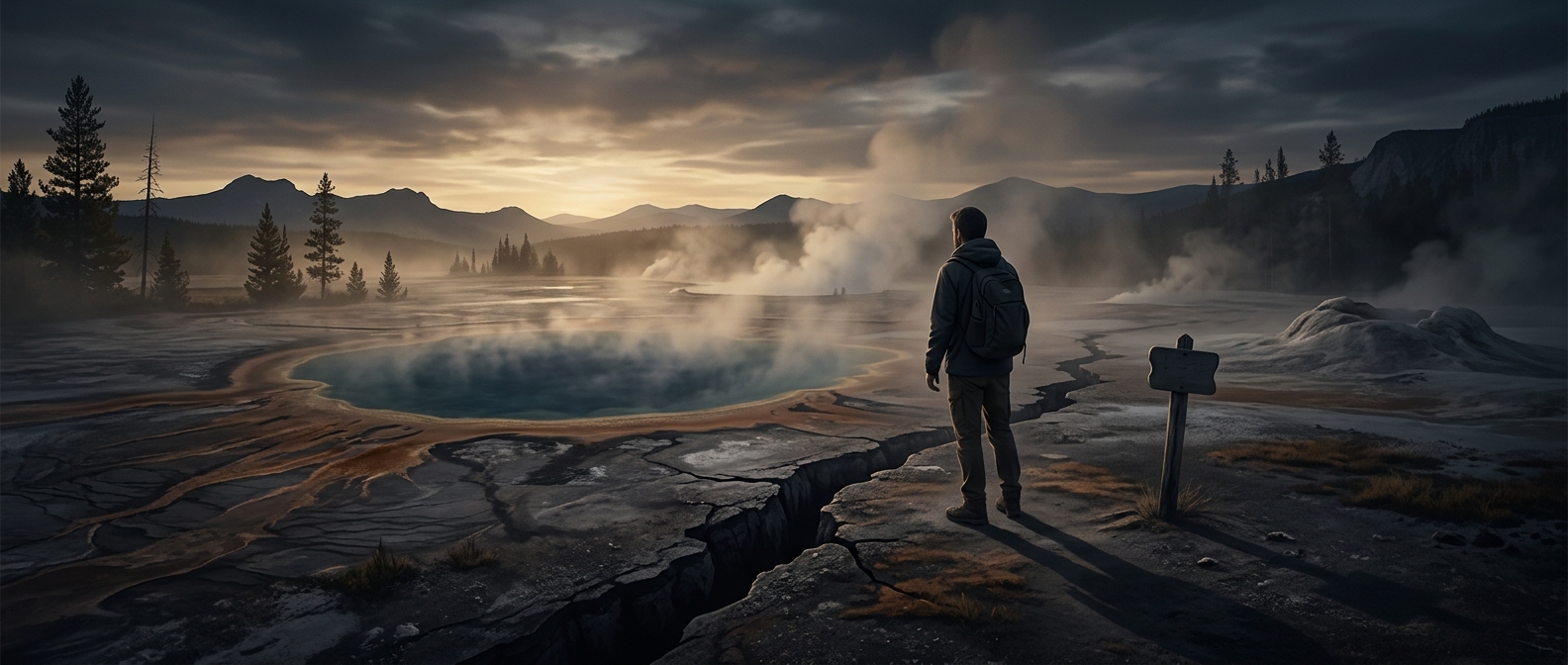
In Longyearbyen, the ground itself changes what burial means. Much of Svalbard is underlain by permafrost—soil that stays frozen for at least two consecutive years. In a grave, that cold can slow decomposition so dramatically that remains may persist for a very long time. The town’s old cemetery is therefore not used for new coffin burials; it is not a place where bodies simply return to the soil as they would in a milder climate.
That practical limit has fed the striking claim that dying in Longyearbyen is illegal. It is not: no ordinance can prevent someone from dying within the town. The restriction concerns burial, not death.
Why some seriously ill residents go to the mainland
Longyearbyen is a small Arctic community with a local hospital, but it cannot provide every kind of advanced or end-of-life care. When a resident needs treatment or support unavailable there, medical arrangements may involve travel to mainland Norway. For someone whose health is deteriorating, that journey can mean leaving the town before death—not because officials are enforcing a ban on dying, but because the necessary care is elsewhere.
The distinction matters in a place where distance and weather make medical logistics unusually consequential. A trip that might be routine in a large city can require careful planning in the High Arctic.
The consequence of living on frozen ground
Permafrost affects more than graves: it shapes construction, infrastructure, and everyday planning across Svalbard. In Longyearbyen, it also means that a familiar local custom—burying the dead nearby—has limits. The memorable shorthand is that you “can’t die” there, but the real story is more specific: people can die in Longyearbyen; the town’s frozen ground and limited medical services make burial and end-of-life care different from those in most Norwegian communities.