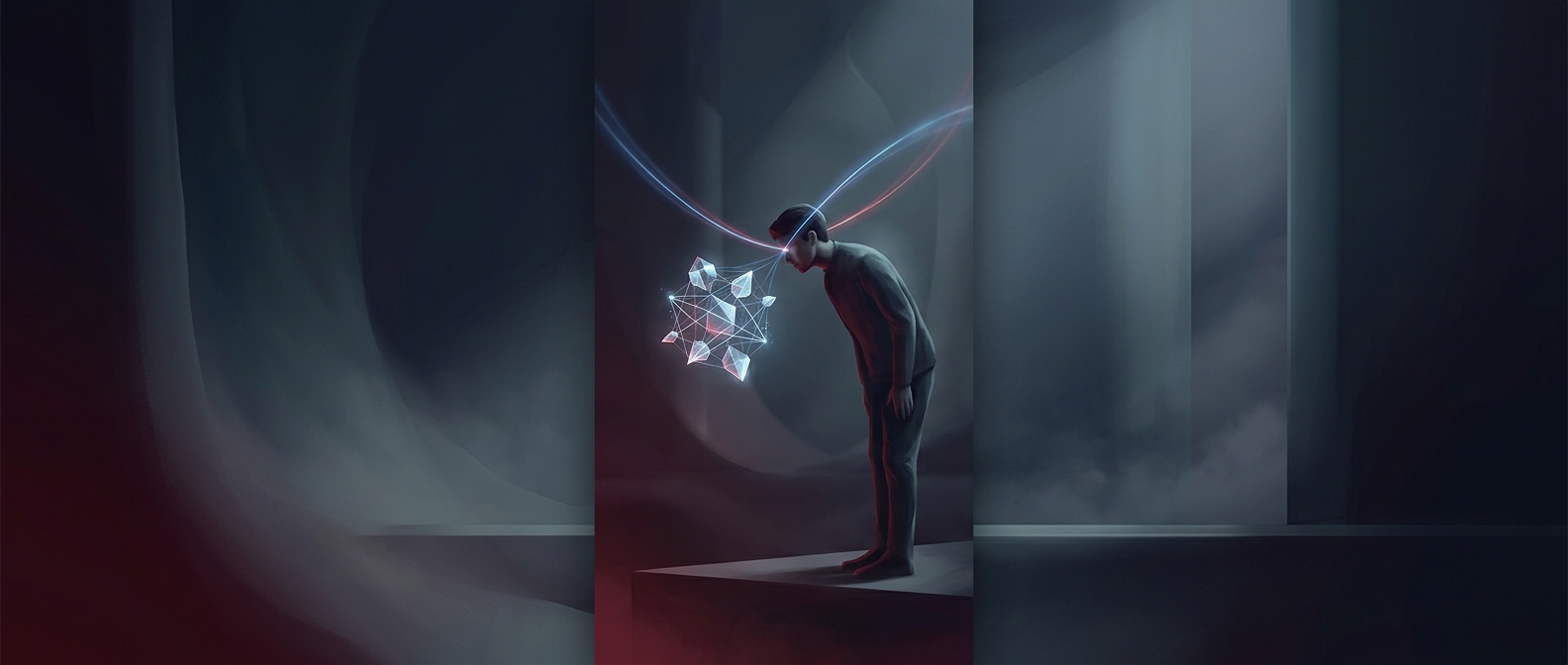
How a small sensation can become a threat
A belly button is unusually sensitive for some people, and touch there can feel sharp, ticklish, or simply wrong. But a strong fear response is not necessarily about the sensation alone. The brain also learns what a sensation seems to predict.
If contact has been linked with pain, distress, or loss of control, the brain may start treating the belly button as a warning signal. That learned link can make a person tense up at the thought of being touched, even when no contact is happening. The body’s alarm system responds to the anticipated threat, not just to an injury already underway.
Why avoidance can keep the fear going
Avoiding touch often brings immediate relief. That relief can teach the brain that avoidance was necessary for safety, leaving the original prediction untested. Over time, even reminders—such as seeing someone touch the area—may prompt anxiety because they resemble the feared situation.
This pattern is one way a specific fear can persist: anticipation raises alarm, avoidance lowers it briefly, and the brain gets little chance to learn that the cue may be harmless. It does not mean everyone who dislikes belly-button contact has a phobia; discomfort and disabling fear are different things.
The striking part is that the trigger can be a prediction rather than a touch. A body alarm can begin while the skin is still untouched.