How a knee can become a threat cue
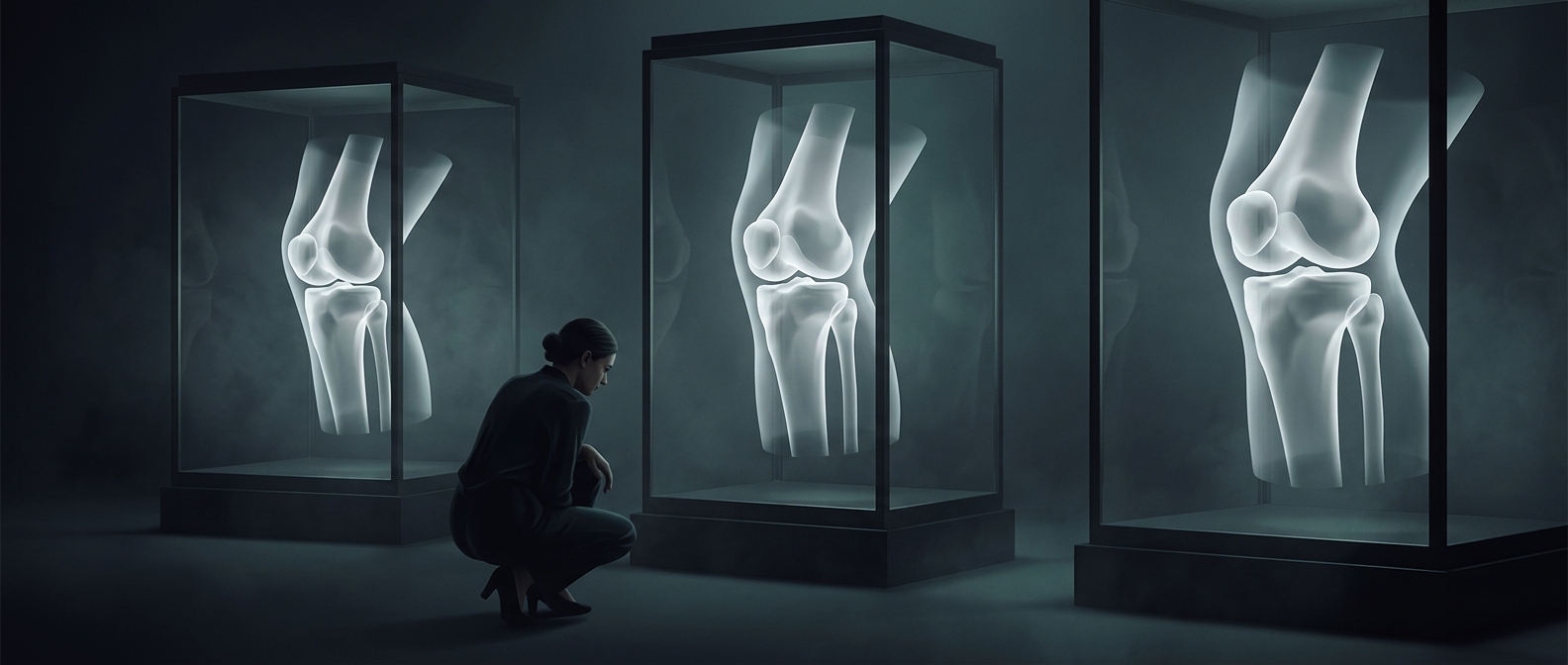
A strong fear of knees—sometimes called genuphobia—doesn’t require the person to believe that knees are dangerous. The brain can learn to treat a particular sight or sensation as a warning signal, much as it can link a song, place, or smell with a frightening experience. A knee’s visible bones, bendable shape, or vulnerability to injury may make it especially easy for some people to focus on, but there is no single explanation that fits everyone.
Once the cue has been tagged as threatening, attention can magnify it. A person may notice knees quickly, picture an injury, or feel their body tense before they have time to reason through the situation. The alarm is real as an experience even when the knee in front of them poses no immediate danger.
Why avoidance can keep fear going
Avoiding shorts, sports, medical appointments, or situations where knees might be visible can bring quick relief. That relief teaches the brain that escape worked, however, so the next encounter may feel just as alarming—or more so. The person gets fewer chances to discover that looking at a knee does not lead to the feared outcome.
Fear becomes especially consequential when it repeatedly interferes with daily life. Discomfort at a particular image is not automatically a phobia; the pattern matters, including how intense the reaction is and what the person gives up to avoid it.
How the alarm can be retrained
A common treatment approach for specific phobias is gradual, planned exposure: approaching the feared cue in manageable steps while learning to stay with the anxiety rather than escape immediately. A clinician can help tailor that process; it is not the same as forcing someone into a distressing situation. The aim is not to make knees appealing, but to loosen the learned link between seeing one and expecting danger.