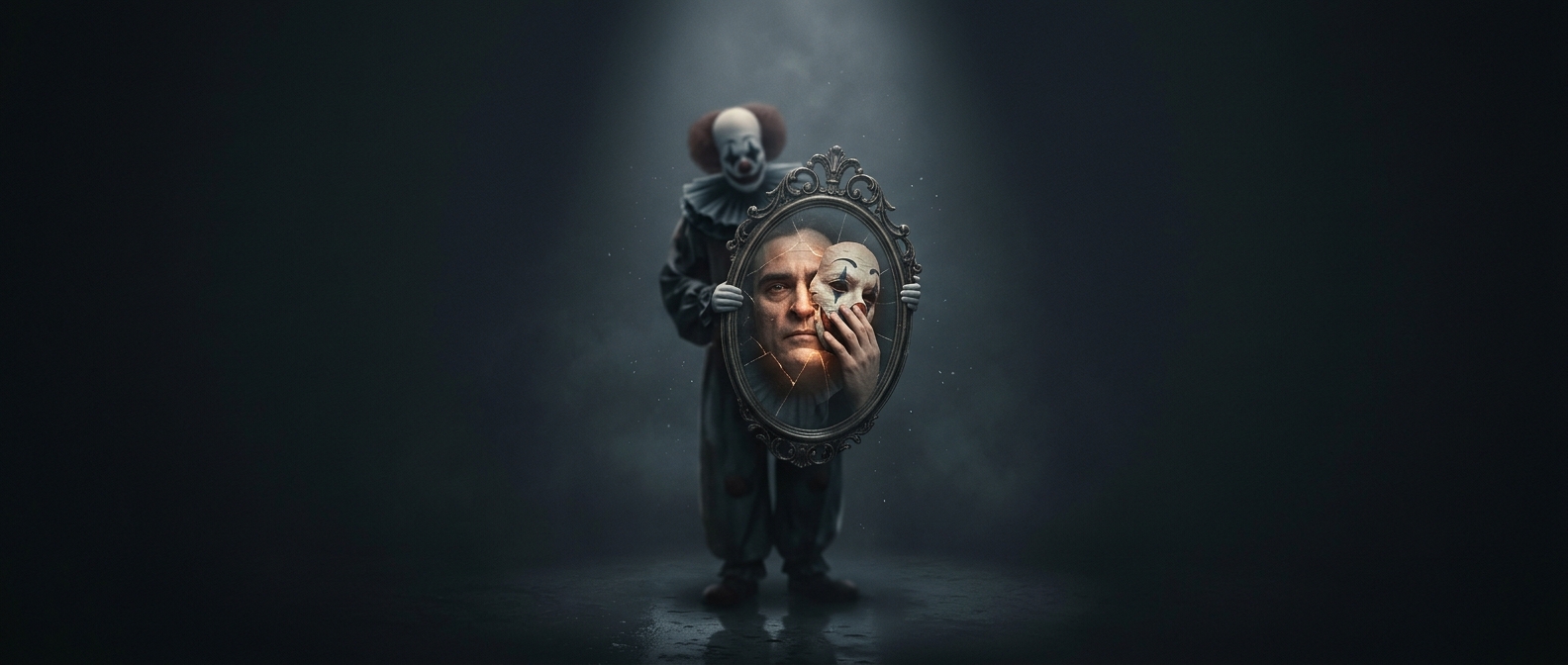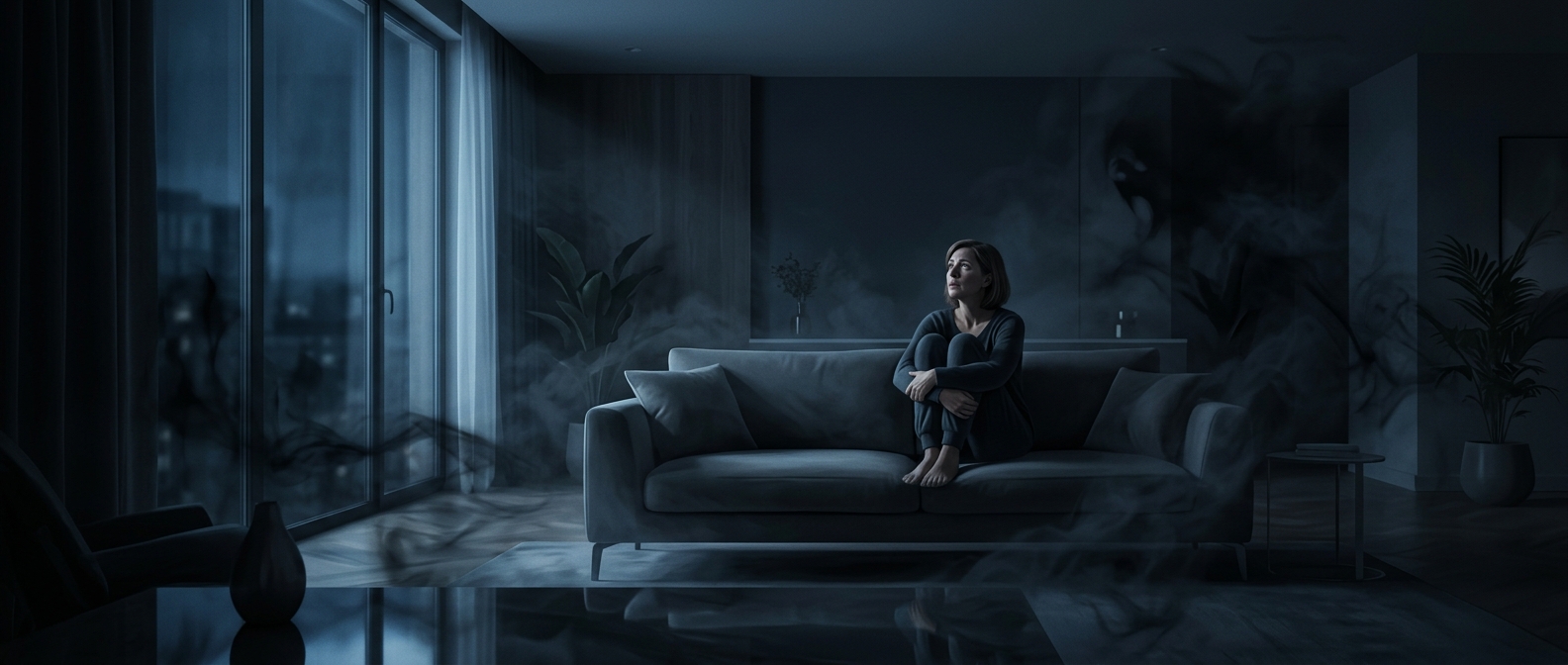
When a Symbol Becomes a Fear Cue
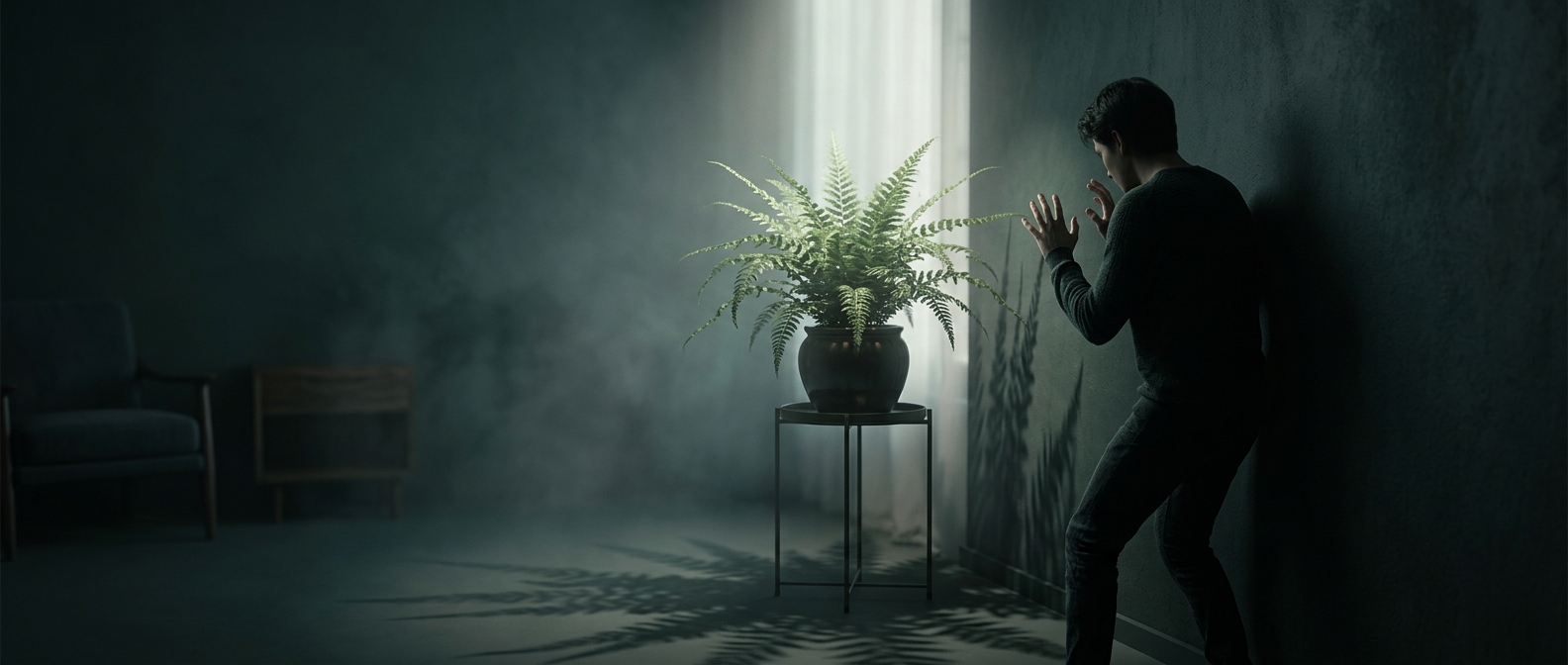
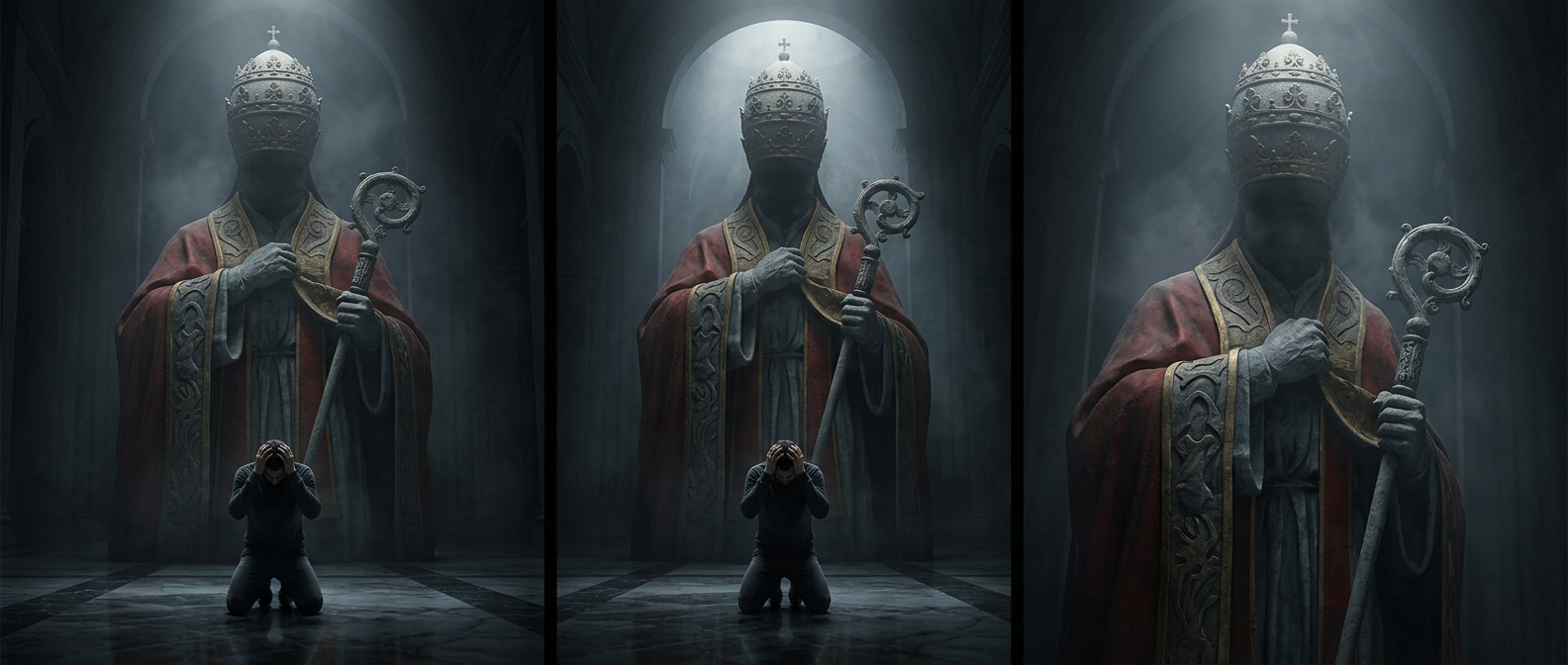
A person who feels intense fear at the sight or thought of the Pope may be reacting not only to an individual, but to what the figure represents: religious authority, judgment, or a powerful institution. In psychology, a cue is something the brain learns to associate with danger. Once that link forms, even a photograph, news story, or ceremonial image can prompt a threat response before the person has time to assess whether anything is actually happening.
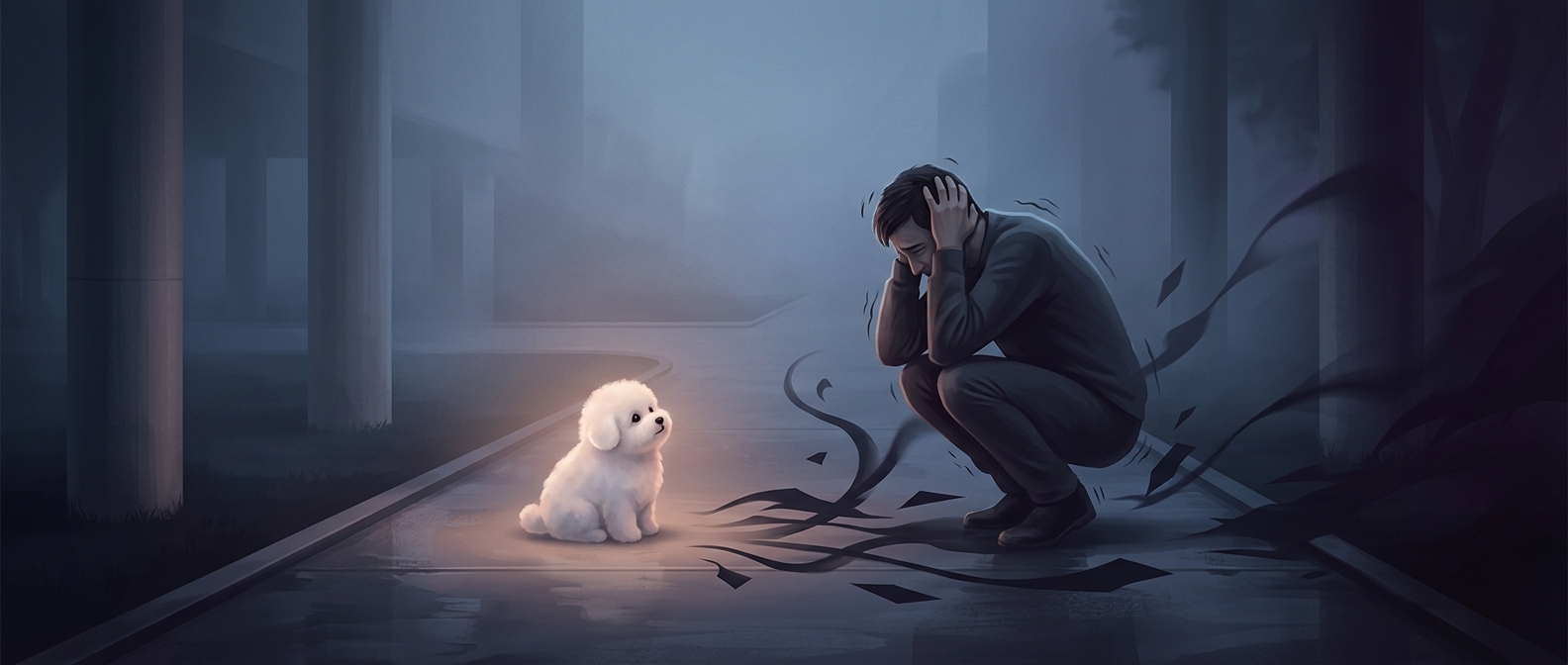
That response can feel immediate and physical. The body’s alarm system may speed the heartbeat, tighten muscles, and drive a person to look away or escape. Knowing intellectually that the Pope is far away—or poses no direct threat—does not necessarily switch the alarm off. Fear is not always a reasoned conclusion; it can be a learned reaction to a meaningful symbol.
The Meaning Behind the Reaction
The association can develop in different ways. A frightening experience connected to religion or authority might make related symbols feel unsafe; repeated warnings or distressing imagery could also strengthen an association. But a fear of the Pope alone does not reveal its cause. It should not automatically be treated as evidence of trauma, a particular belief, or a clinical phobia.
When fear begins to shape daily choices—such as avoiding news, public events, or places where religious imagery might appear—the practical effect can extend well beyond the original cue. The striking point is that a symbol can trigger a real bodily alarm without any immediate danger being present: the response is real, even when the threat is only anticipated.