When scale overwhelms the mind
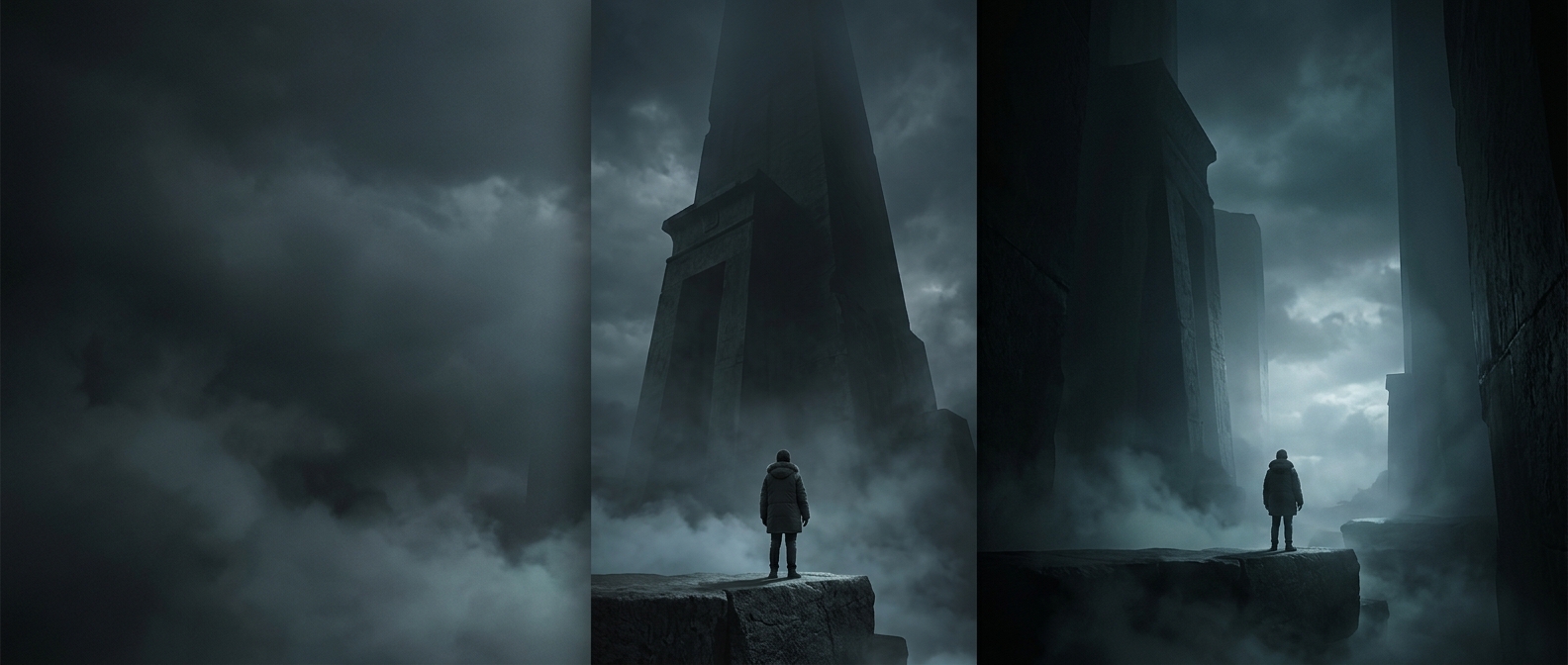
A towering cliff, a massive ship, or an enormous statue can be difficult to judge when it fills your field of view. With no familiar object nearby for comparison, your brain has fewer clues about its true size. The object may seem not only large but hard to map: its edges, distance, and relation to you are difficult to take in at once.
That uncertainty can turn awe into alarm. The mind quickly asks practical questions—How close is it? Could it move? Is there room to get away?—and a scene that offers no easy answers can feel threatening, even when the object is harmless.
Why the body may react before you can reason
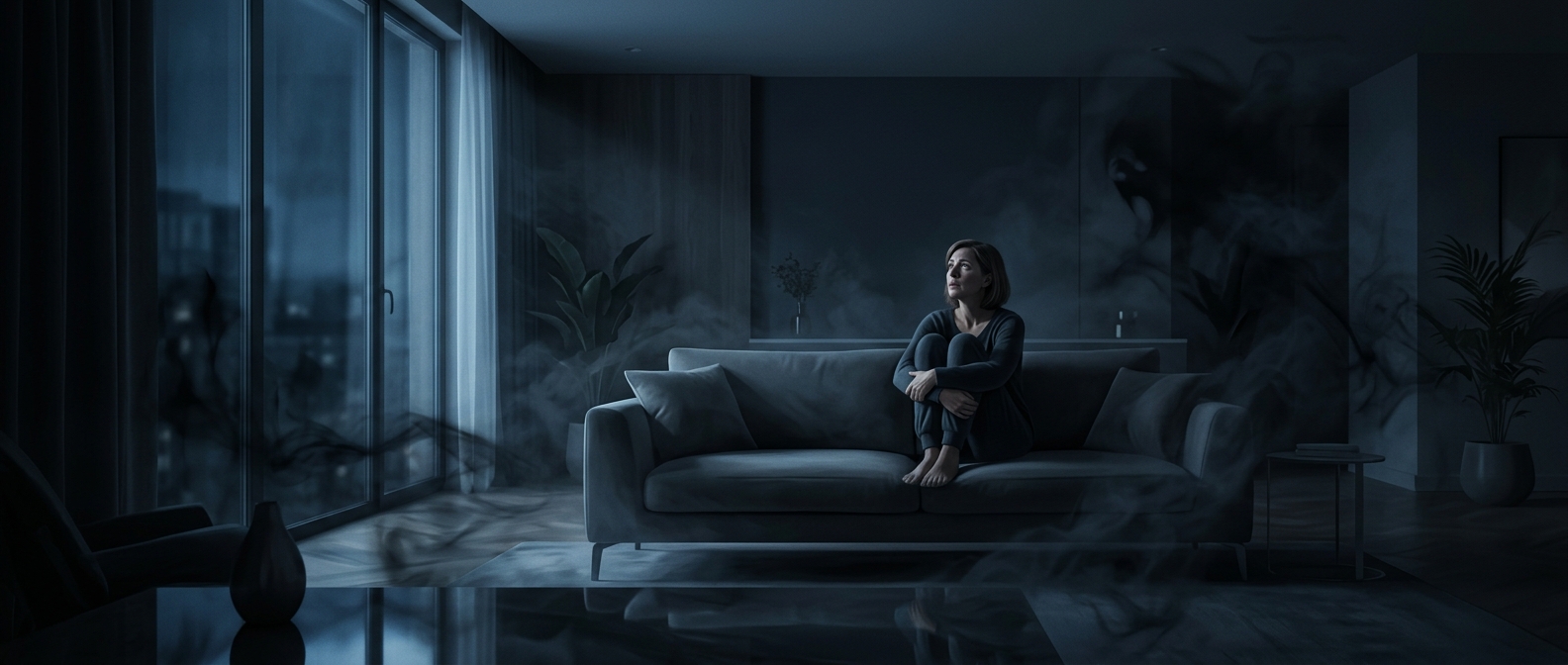
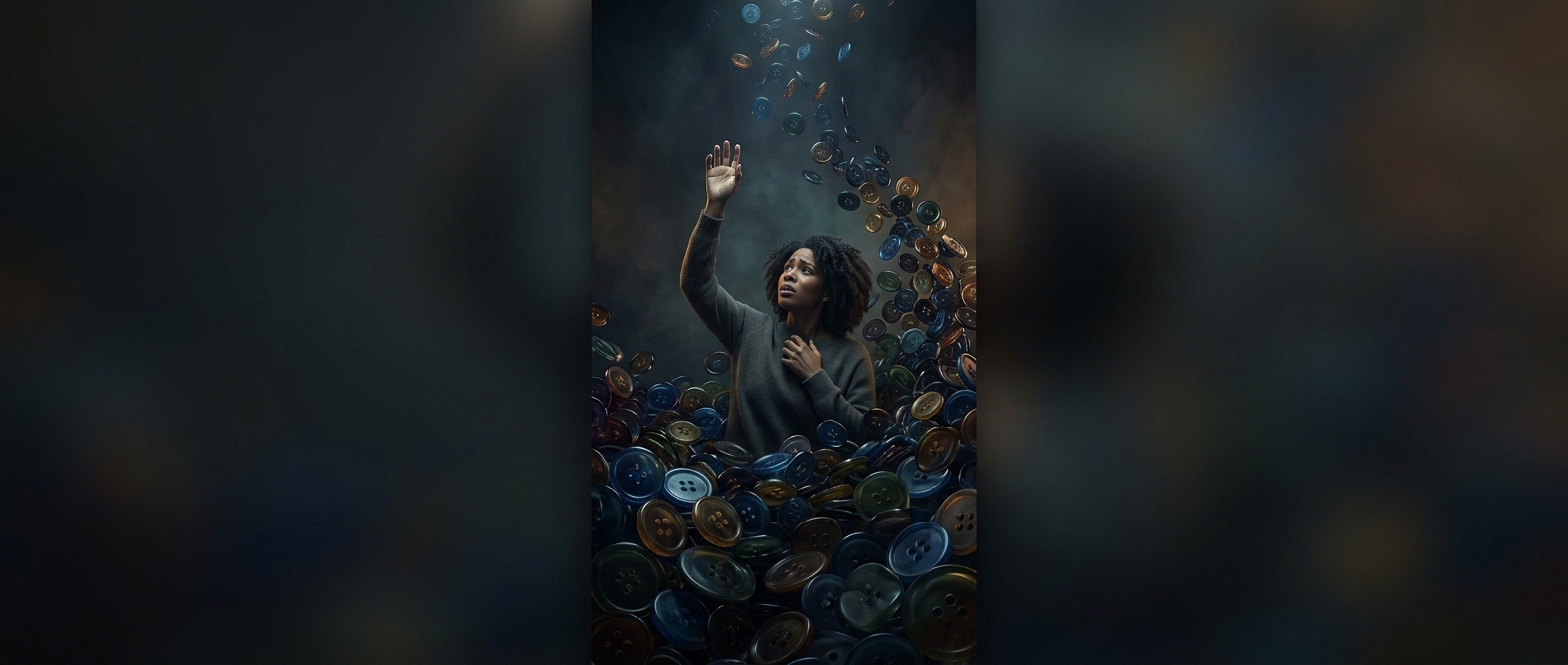
Fear is a readiness response. When something seems powerful or difficult to control, the brain can prepare the body to protect itself before careful thought has sorted out whether danger is actually present. A person might tense up, feel their heart race, freeze, or want to look away or leave. The reaction is not a deliberate judgment that the object will cause harm; it is an alarm prompted by perceived scale and helplessness.
The feeling can also be intensified by the setting. Looking up at a structure from close beneath it, standing beside a very large animal, or seeing a huge object in deep water can make its size harder to grasp and escape routes less obvious. Distance and a familiar point of comparison may make the scene easier to process, though they do not necessarily remove the fear.
When fear becomes more than a moment
Feeling unsettled around one immense object does not by itself mean someone has a phobia. The concern is more significant when the fear is persistent, out of proportion to the actual risk, and leads someone to avoid places or situations in ways that disrupt daily life. What makes enormousness frightening is often not size alone, but the sense that the scene is too large to understand or control.