Why darkness can keep the brain on alert
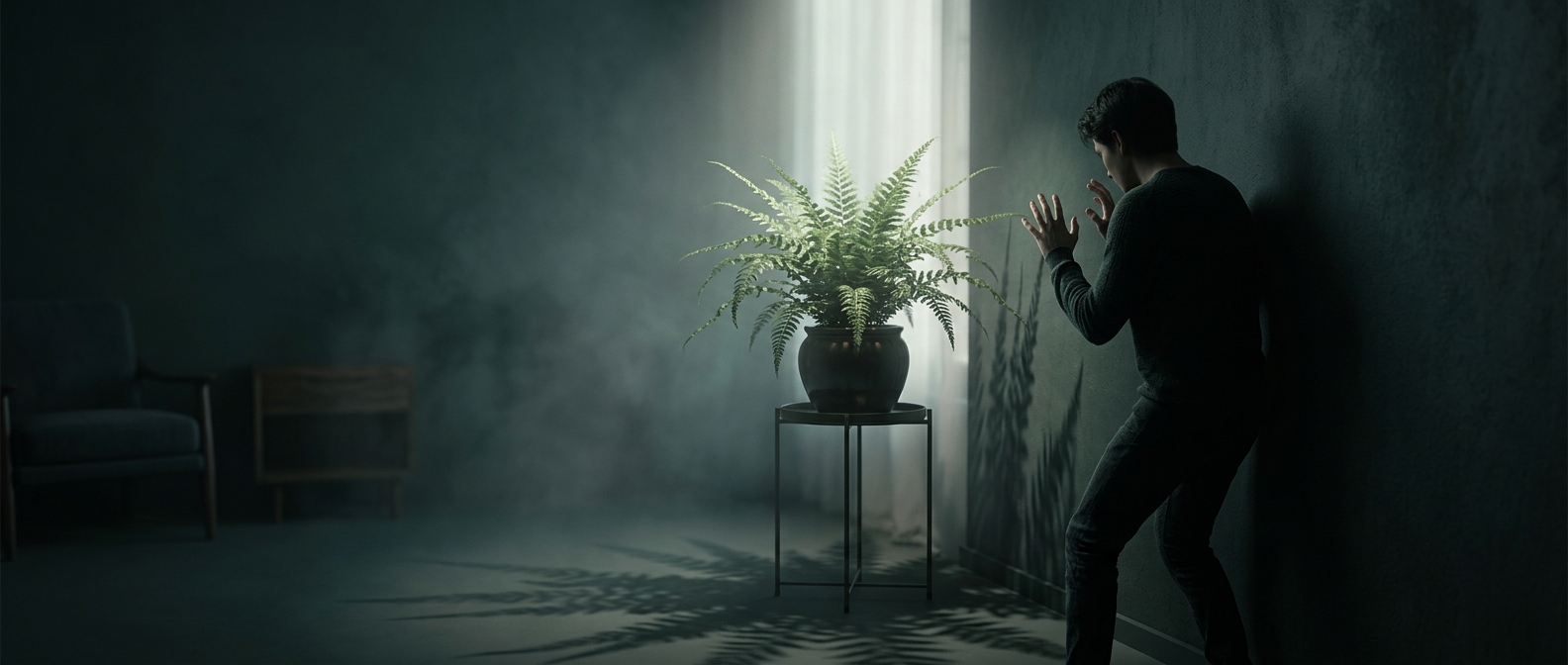
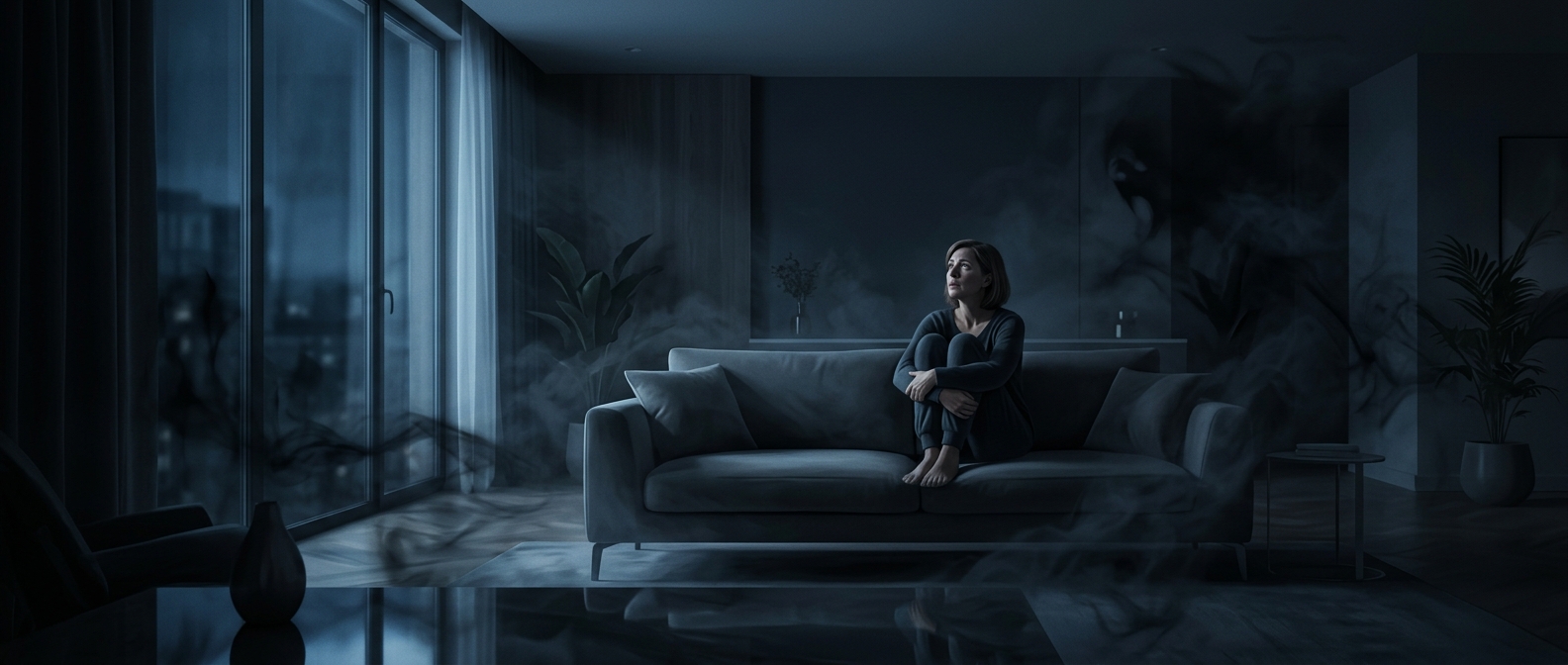
The brain does not simply stop monitoring the surroundings when a person goes to bed. In darkness, it receives less visual information, so ordinary shapes and sounds can be harder to identify. When someone is already tense, that ambiguity can invite a quick, threatening interpretation: a pile of clothes may look like a person, and a house settling may sound like movement. This is a normal feature of threat detection, not evidence that the person believes a danger is definitely present.
Light can become a learned safety cue
For some adults, a lamp or hallway light works like a safety signal. Seeing familiar objects makes the room easier to check, and that sense of control can reduce the alertness that would otherwise delay sleep. The habit may also be learned: if keeping a light on repeatedly brings relief, the brain can begin to associate light with safety and darkness with unease. That does not mean the habit is irrational or that every person who prefers light has an anxiety disorder; people differ in how strongly uncertainty affects them.
Relief and habit can reinforce each other
A light can help someone settle in the moment, while also making it harder to learn that the dark room is safe without it. This is one reason a preference can persist even when the person knows, intellectually, that nothing is hiding in the shadows. If the setup is disrupting rest or causing distress, changing it gradually—such as using a dimmer, indirect light—may feel more manageable than switching abruptly to complete darkness. The important detail is that the light is often doing two jobs: illuminating the room and calming a brain that is still checking for danger.