Why a dim reflection can feel like a stranger
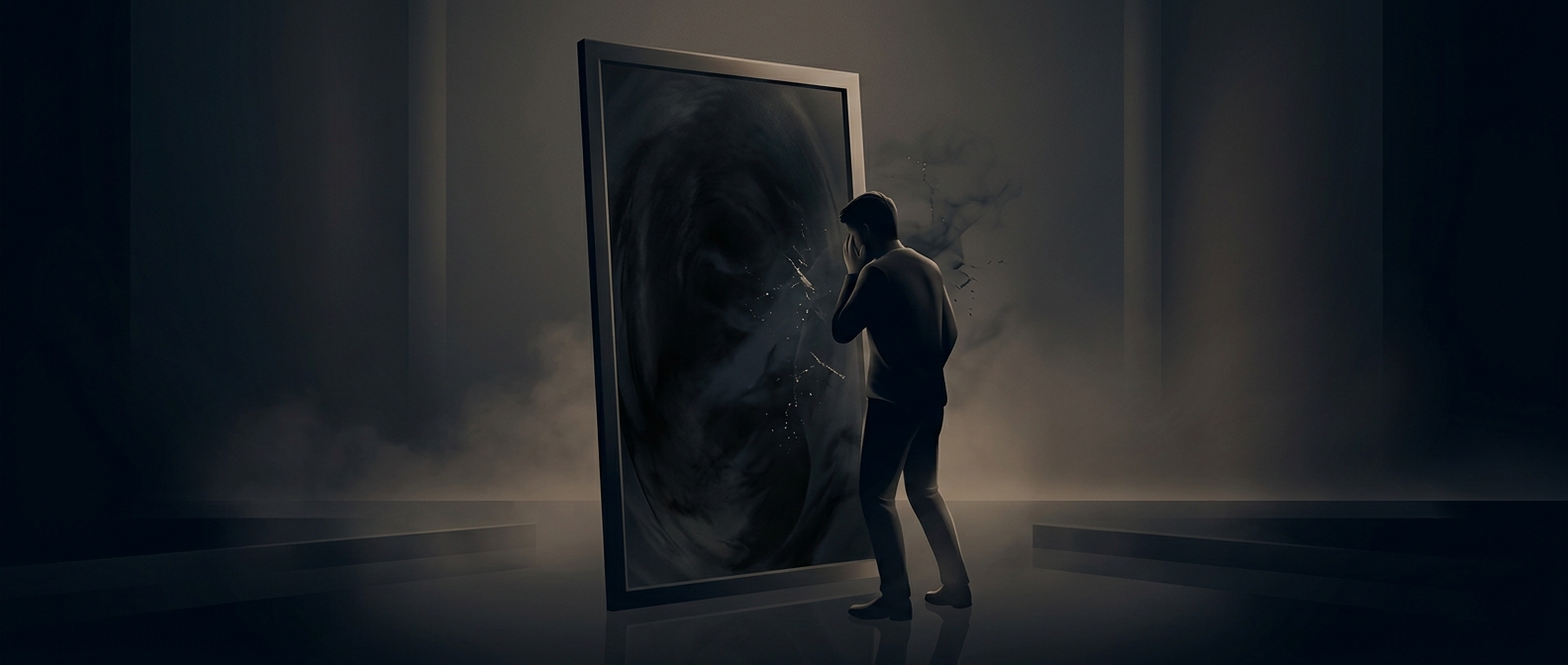
A mirror gives you an image of yourself, but in poor light that image loses the details your brain normally uses to recognize a face. Features blur together, while shadows and small changes in angle alter what you can see. Your eyes keep trying to resolve the uncertainty, and the reflection may seem unfamiliar or subtly different from one moment to the next.
How uncertainty feeds fear
Face recognition is an active process: the brain combines visual details with expectations about what a familiar person should look like. When the image is vague, those expectations have less evidence to work with. Attention can lock onto ambiguous features—the outline of an eye, a patch of shadow—and make them feel especially significant. The reflection has not changed, but it can become harder to interpret calmly.
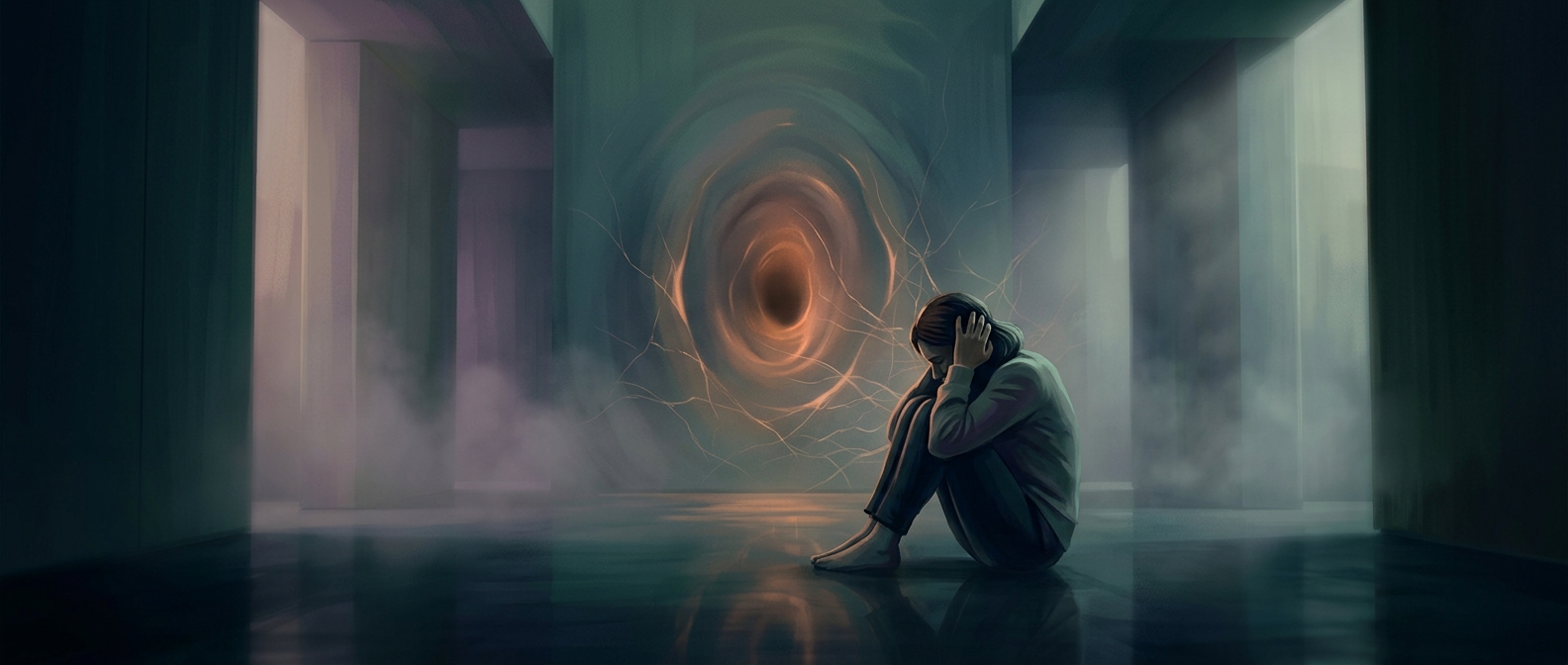
For someone already afraid of mirrors, that uncertainty can intensify the fear. They may watch closely for something disturbing, then interpret ordinary visual shifts as a sign that the reflection looks wrong. The resulting alarm makes the mirror feel more threatening, encouraging avoidance and leaving the fear untested. This is not proof that the image is changing; it is a way that perception, expectation, and anxiety can reinforce one another.
Why looking longer may not help
Staring at a dim reflection does not necessarily bring clarity. With few reliable details, continued attention can keep the mind cycling through possible interpretations instead. A simple change in lighting can make the face easier to recognize by restoring the contrast and features the brain relies on. That contrast helps explain why an ordinary mirror can feel unsettling in one setting and entirely familiar in another.