When fat gathers inside the pancreas
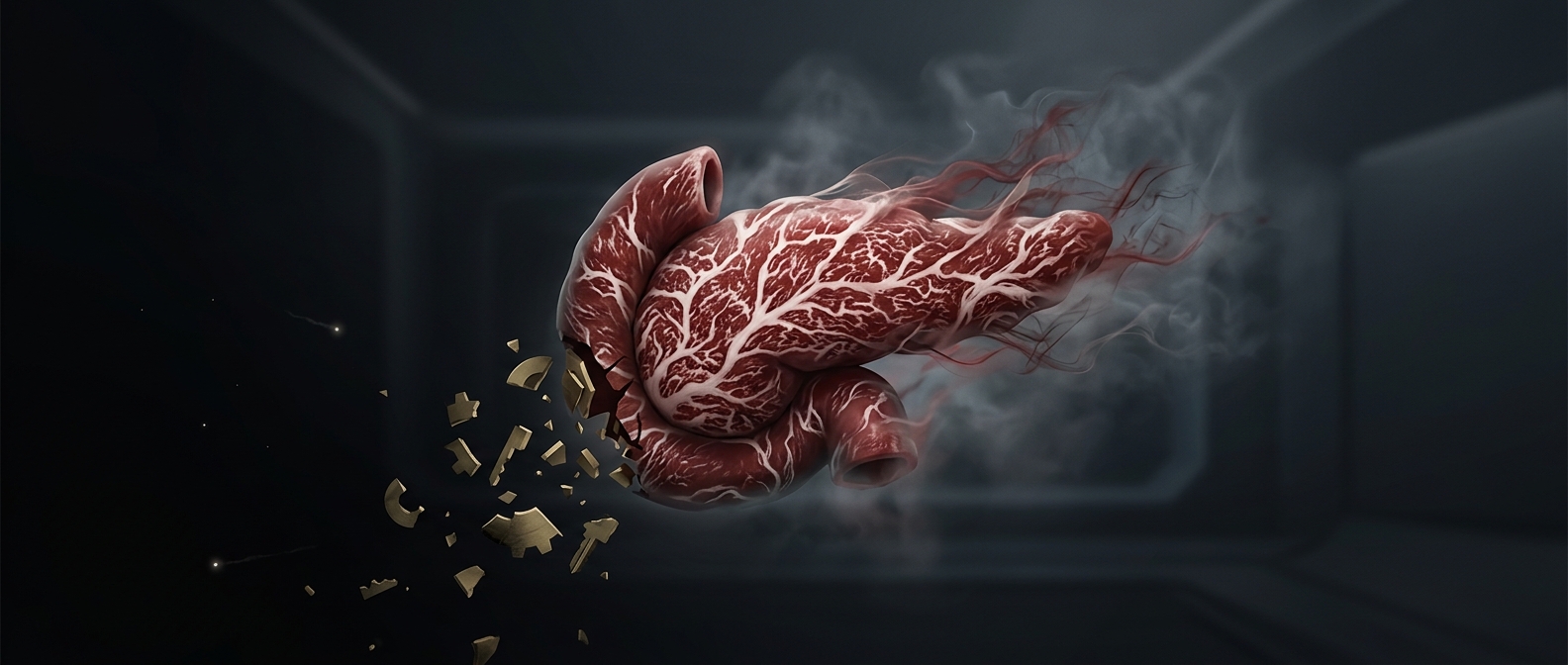
Body fat is not confined to the layer beneath the skin. It can also accumulate in organs—a pattern called ectopic fat. In the pancreas, fat may sit between clusters of pancreatic cells or within the tissue itself. The amount and location can vary, so “fatty pancreas” describes a finding rather than a single, precisely defined condition.
Why the location may matter
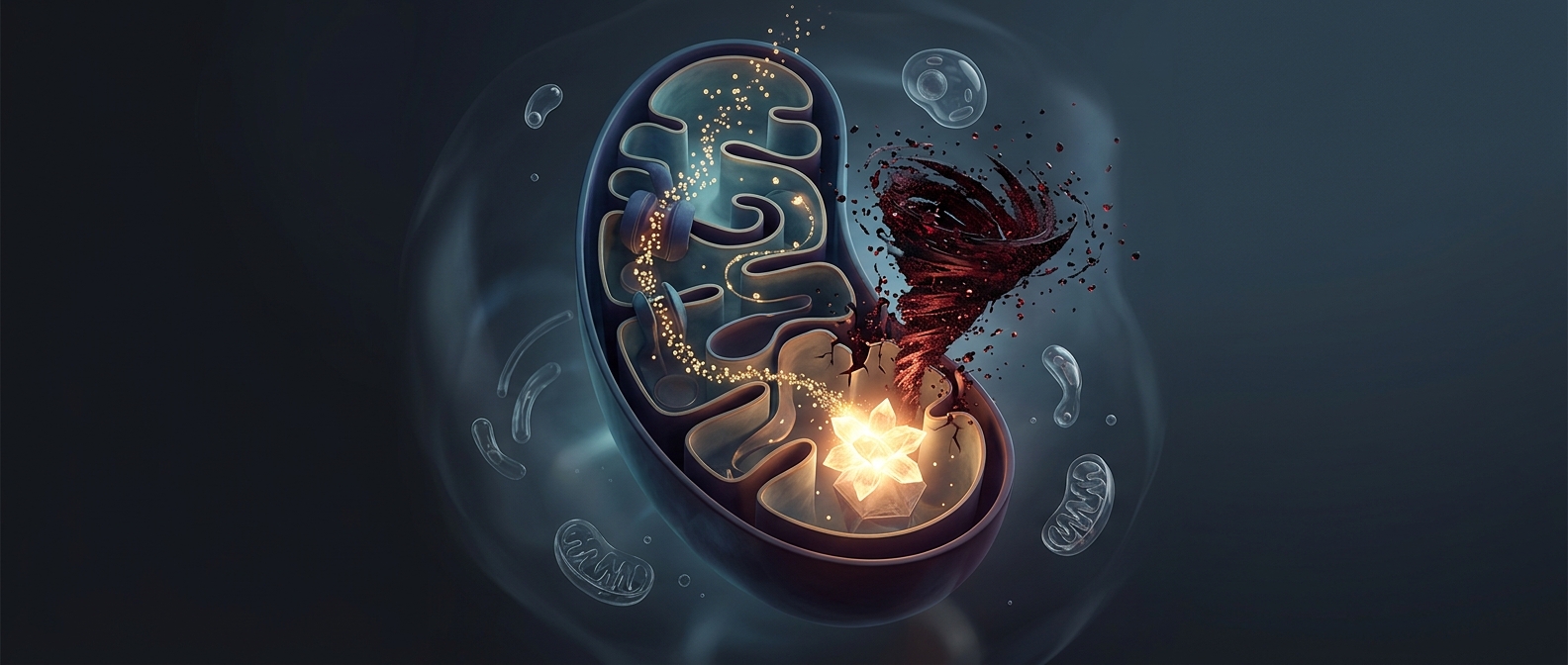
The pancreas contains beta cells, which release insulin when blood sugar rises. Insulin helps move sugar from the bloodstream into the body’s cells. If the pancreas becomes fatty, nearby tissue may be affected by altered chemical signals or inflammation; fat may also reflect broader metabolic changes in the body. Researchers are still working out how much fat directly disrupts beta-cell function, and how much is a marker of other processes linked to diabetes.
That distinction matters: finding fat in the pancreas does not mean someone will develop type 2 diabetes. It points to a possible piece of a larger metabolic picture, not a diagnosis or a complete explanation on its own.
An association is not a cause
Fatty pancreas has also been associated with pancreatic cancer risk. An association means the two are observed together more often than expected; it does not show that pancreatic fat causes cancer. Shared factors could contribute to both, and the relationship remains distinct from proof of a direct chain of cause and effect.
The useful takeaway is that fat can build up in organs that do not look or feel fatty from the outside. A pancreatic finding may prompt clinicians to consider the person’s wider metabolic health, but it cannot by itself predict diabetes or cancer.