
A closer look
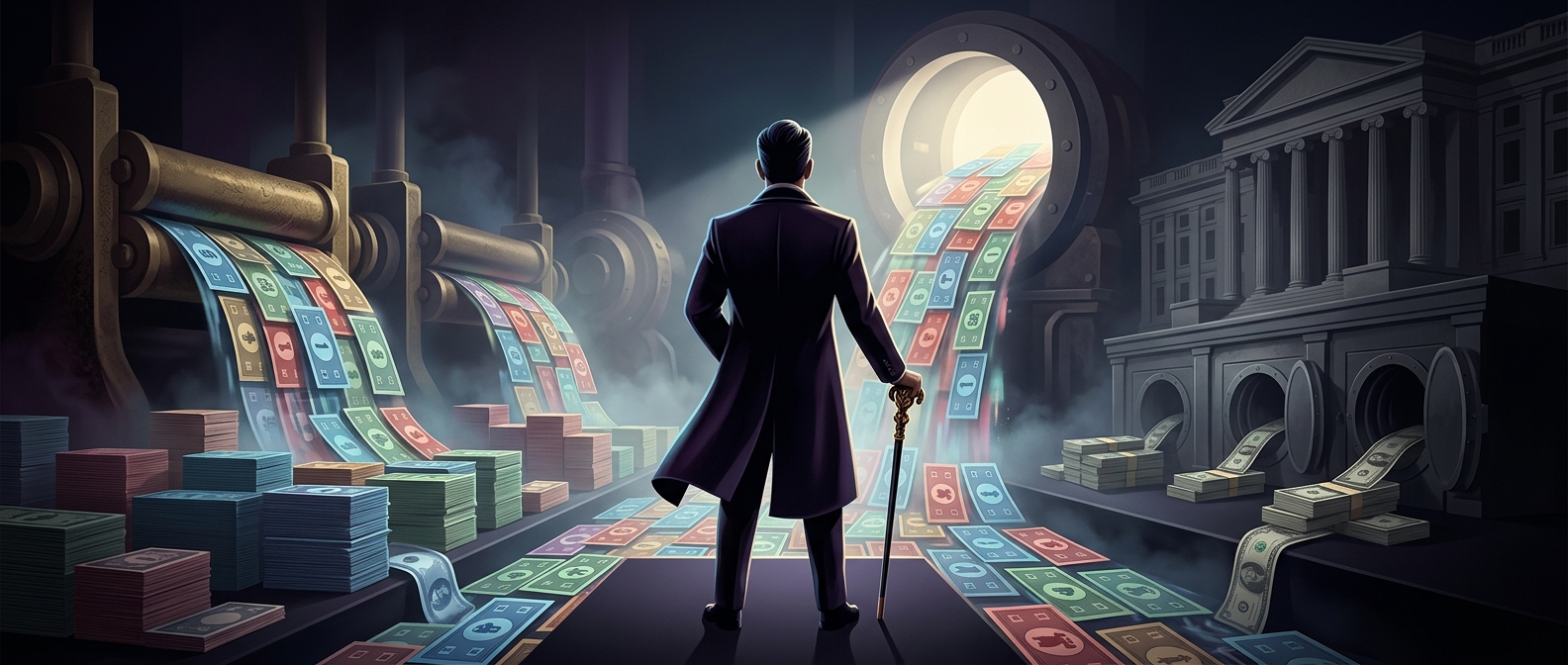
Magic: The Gathering literally requires a team of dedicated economists to constantly monitor its complex secondary market because a single rare piece of printed cardboard can regularly sell for tens of thousands of dollars. The infamous 'Black Lotus' card from the game's earliest print run is so ridiculously valuable that pristine copies are traded like literal blue-chip stocks and stored in climate-controlled bank vaults. This perfectly encapsulates the absurdity of collectible card games, where players will happily spend their entire monthly rent budget on random booster packs in the desperate hope of finding a shiny elf wizard. What started as a fun math game for math nerds at gaming conventions has mutated into a ruthless unregulated stock exchange built entirely on artificial scarcity and crippling cardboard addiction