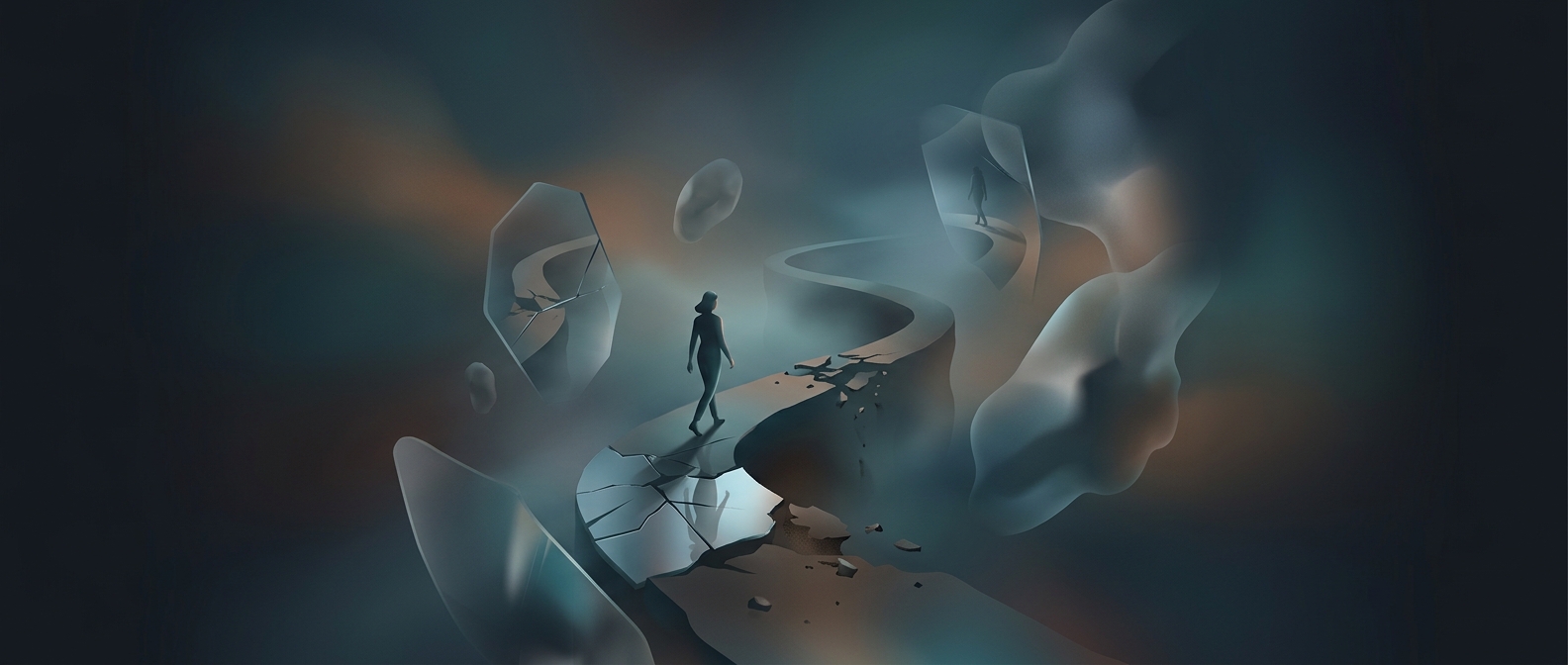
Self-esteem is partly a running social estimate
Self-esteem can feel like a verdict about your whole identity, but it also works as a moment-to-moment estimate of how well you are doing in areas that matter: being accepted by other people and being capable of handling what is in front of you. A meeting, a text exchange, or a mistake can supply new information—or seem to.
That estimate is especially sensitive to social cues because belonging has practical value. A sign of welcome can reassure you that you are included; exclusion or silence can raise the possibility that you are not. A successful task can support a sense of competence, while a visible stumble can shake it. Neither cue proves anything broad about your worth, but each can influence how you feel right then.
Interpretation turns a cue into a judgment
The mind rarely receives feedback in a neutral form. It weighs the cue alongside expectations, recent experiences, and the situation. If a reply does not arrive, for example, someone who already fears rejection may read the silence as evidence of disinterest. Someone else may assume the sender is busy. The same absence of a message can therefore produce different emotional effects.
Once a negative interpretation takes hold, attention may start favoring evidence that fits it: a pause sounds like disapproval, while a friendly remark is discounted as politeness. That selective reading can make a brief setback feel like a pattern—and a temporary dip in self-esteem feel like a lasting truth.
A fluctuation is not a full measure of you
Because these shifts depend on both the cue and the meaning assigned to it, a passing feeling can reveal what currently feels uncertain without accurately measuring your abilities or relationships. It helps to separate what happened from what you concluded: “They have not replied yet” is an observation; “They do not want me around” is an interpretation.
That small distinction matters. It creates room for other explanations before one unanswered message becomes a judgment about who you are.