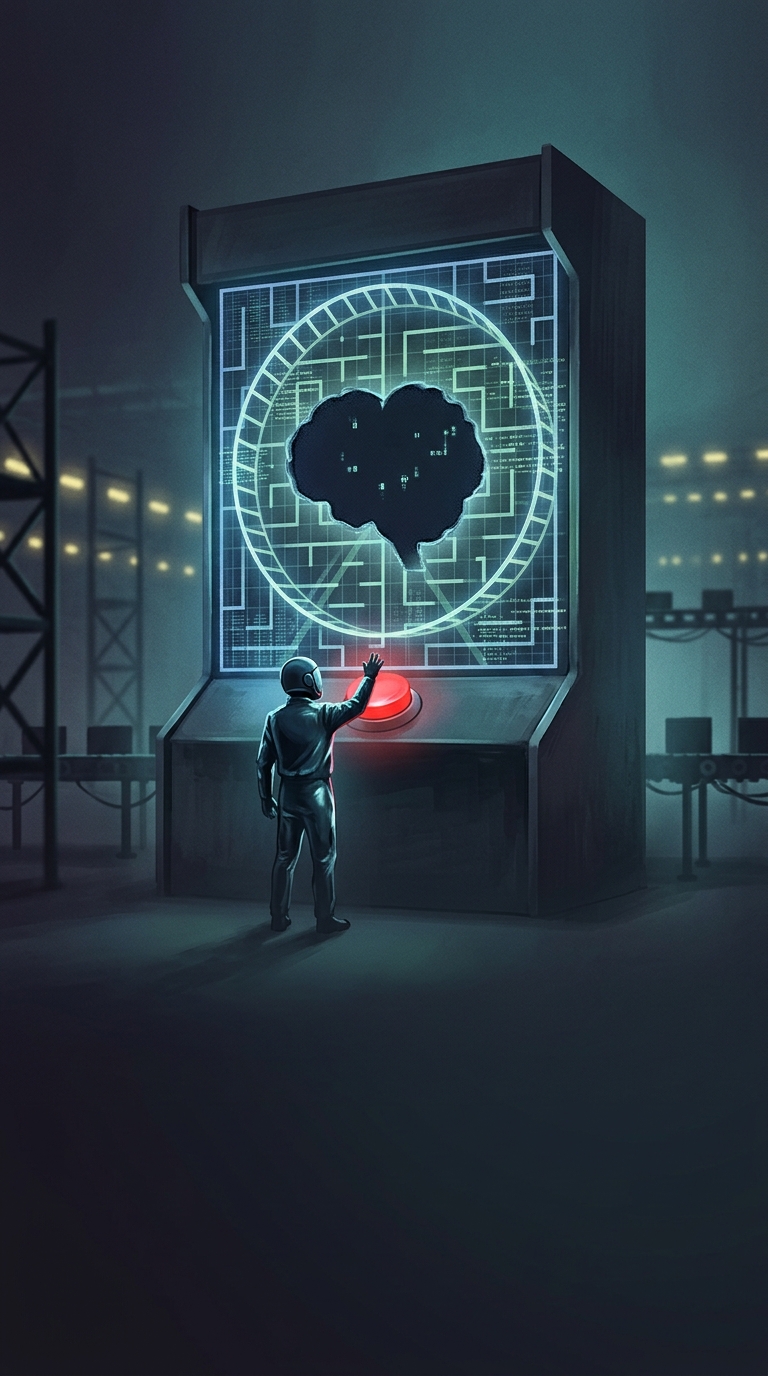
The Game Is Built Around the Work
In some Amazon fulfillment centers, workers can see simple arcade-style games on screens at their stations. The games are tied to ordinary warehouse tasks, such as picking items or packing orders. As employees complete those tasks, the system can turn work-related activity into points, progress, or a race against a target.
That connection is the key: the game is not a break from the job. It is a layer placed over the job’s existing pace and performance measures.
Turning Targets Into Feedback
Warehouse work is repetitive, and its goals can be expressed in measurable terms: complete tasks accurately and keep orders moving. A game makes those targets more immediate. Instead of seeing only a tally or rate, a worker may see a character advance or a score rise as work is completed.
For the company, the practical aim is to encourage engagement and steady productivity. For workers, the same feedback can make progress feel more visible and add a competitive element. It may also make a demanding target feel more approachable—though the underlying target has not changed.
When Play Becomes Pressure
Gamification means using features associated with games—such as points, progress bars, or competition—to influence behavior outside a game. In a warehouse, that can make routine work feel less monotonous, but it also means entertainment is connected to workplace performance. A scoreboard can motivate some people while making others feel watched or pushed to keep up.
The revealing detail is what the game rewards: not play for its own sake, but progress through the work. Its corporate purpose is to make performance goals more engaging and salient, while leaving the job’s pace and expectations in place.