How the railway keeps trains apart
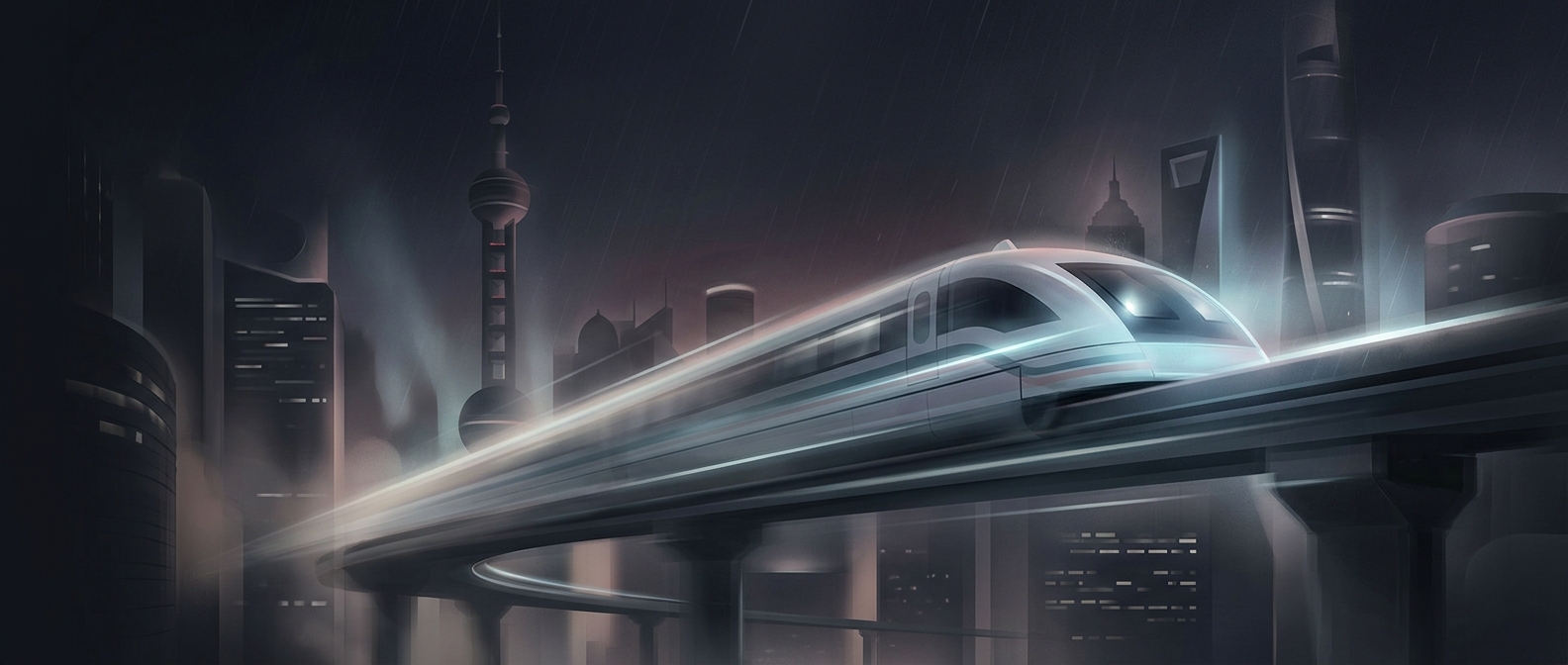
A driverless train does not simply follow a timetable and hope the track ahead is clear. Signaling equipment tracks where trains are and limits how fast each may travel. In many automated metros, equipment beside the track and aboard the train continually exchange information: the train reports its position, while the system sends speed limits and instructions for the route ahead.
The train’s control system compares those instructions with its actual speed. If it is going too fast, it can apply the brakes automatically. The permitted speed is designed to leave enough room to stop before a conflict or a restricted section. That protected space is what keeps trains from closing in on one another dangerously, even when service is frequent.
A station stop is a controlled sequence
Approaching a station, the system guides the train through a planned slowdown, then aims to stop it at a precise point. Accurate stopping matters because doors must line up with the platform’s boarding areas; on systems with platform screen doors, train and platform doors must also align before they open. After the dwell time, the train can depart when the route is clear and the system permits it.
Automation makes these movements repeatable, which can help keep intervals between trains consistent. But the railway still has to handle things that do not fit the normal sequence: a passenger needing assistance, an obstruction, a fault, or a blocked platform. Sensors and alarms can flag trouble, while staff at a control center assess the situation and coordinate a response. Depending on the system and the problem, trains may slow, stop, or be operated under special procedures.
The control room is part of the system
Removing the driver from each cab changes where people work, not whether people are needed. Controllers watch service conditions, communicate with station and maintenance staff, and help manage disruptions. The design challenge is to make routine operation automatic while ensuring that a fault leads to a safe response—not an unchecked train continuing on its own.