A Challenge Built to Make Refusal Costly
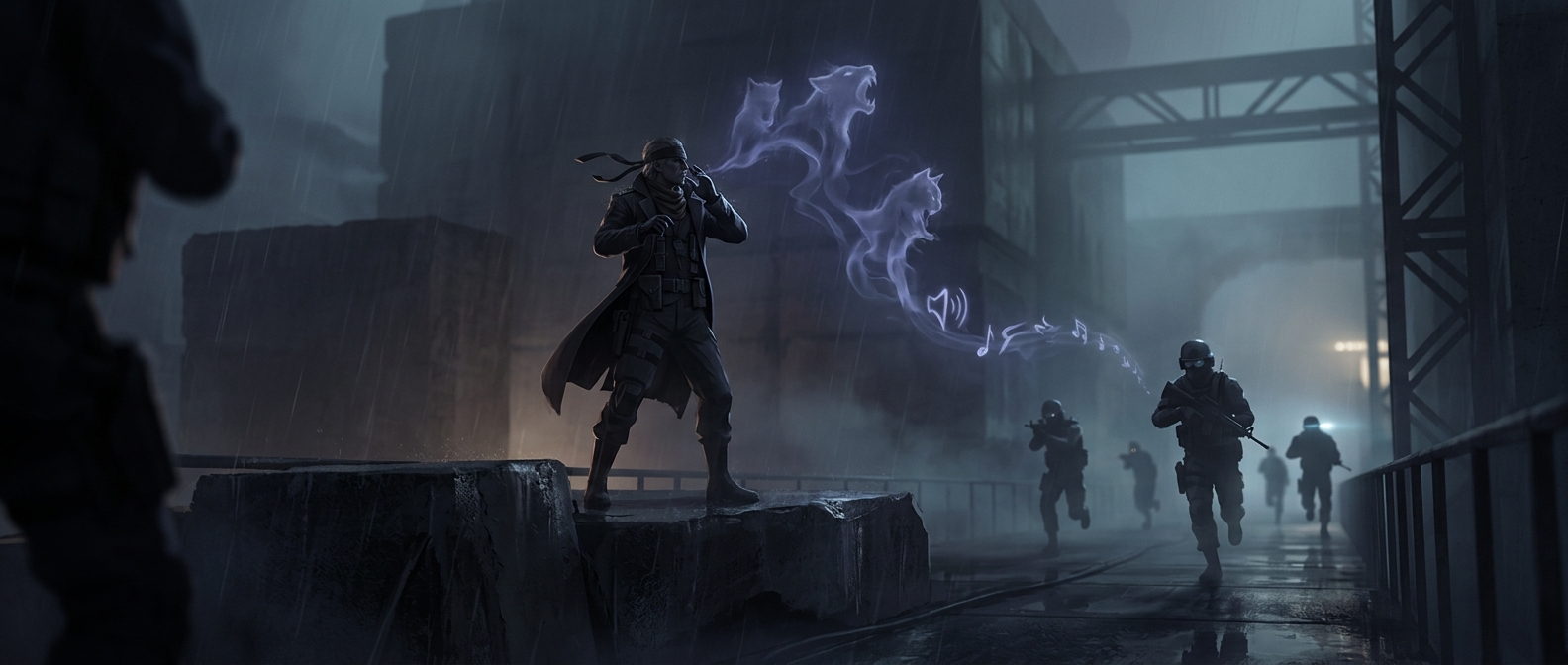
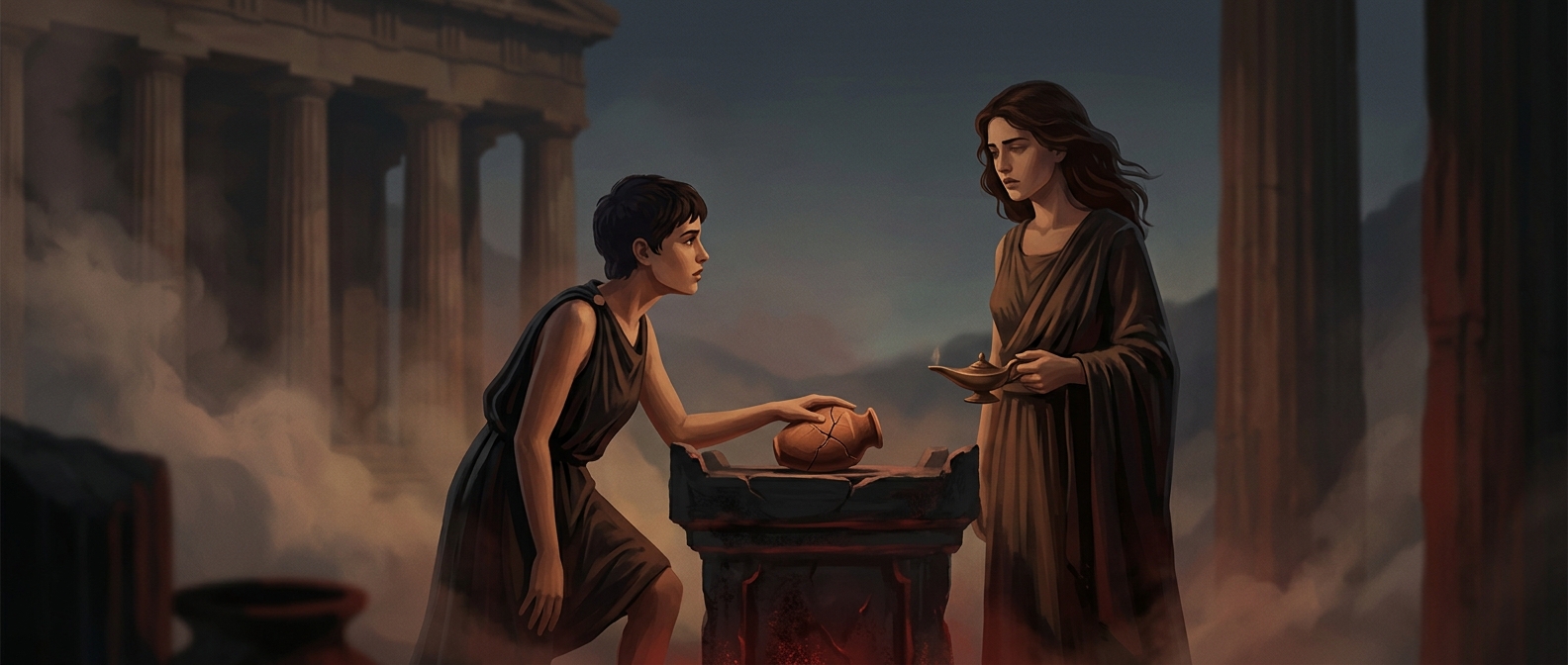
Truth or Dare works by offering two uncomfortable routes: answer a personal question or accept a task. In the military ordeals described in accounts of the game’s possible origins, that same basic structure served a harsher purpose. A commander could demand a confession—or require a soldier to perform an absurd physical trial. The choice was not simply entertainment: refusing a challenge could itself carry pressure when the person setting it held authority.
From Command to Peer Pressure
The resemblance does not establish a precise, documented line from military practice to the children’s game. It does show how the format can fit very different power relationships. In an ordeal, the challenge comes from above and may be meant to expose or discipline. Among teenagers, it usually comes from peers, and the stakes are social: a player risks embarrassment, but also gets a way to reveal something they might not volunteer in ordinary conversation.
That change in setting transforms the point of the choice. A question about a crush turns private feeling into group knowledge; a dare turns the player’s willingness to act into the spectacle. The enduring mechanism is the pressured choice itself—not any one question or stunt.