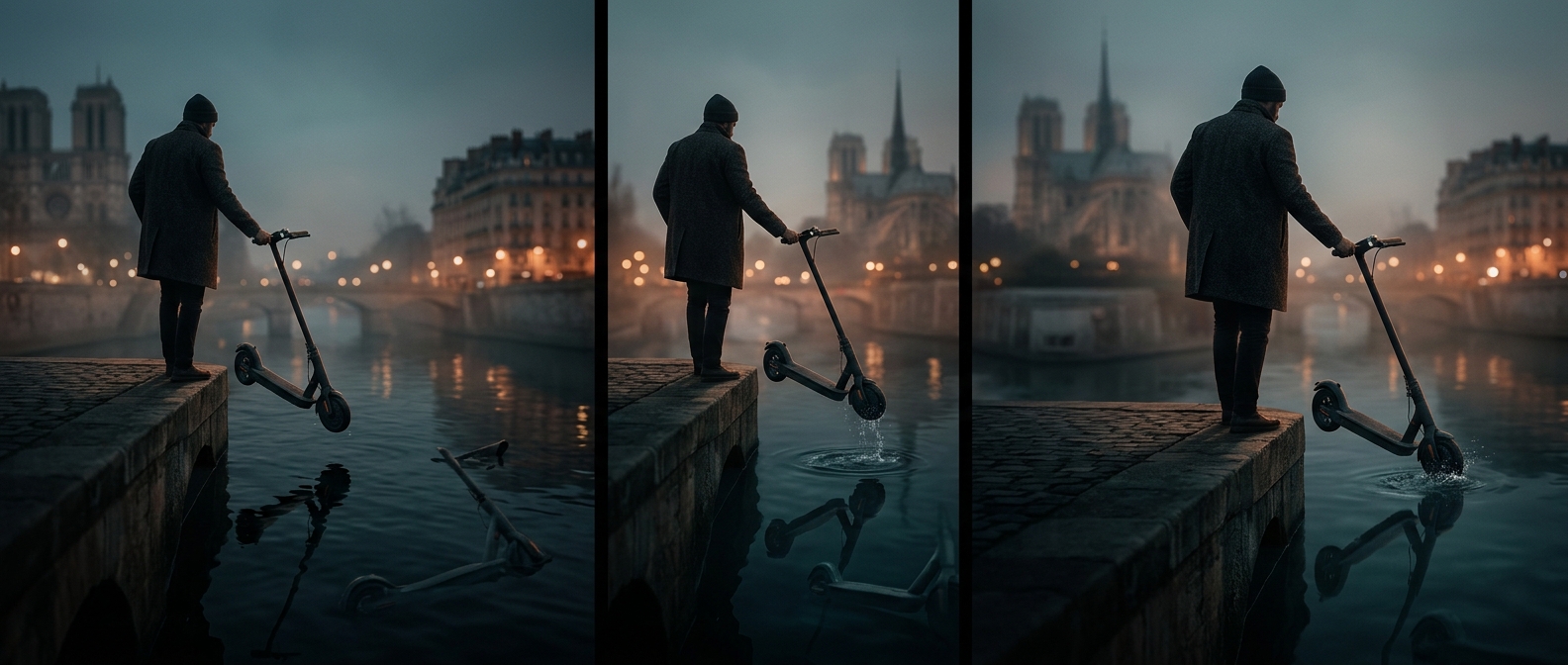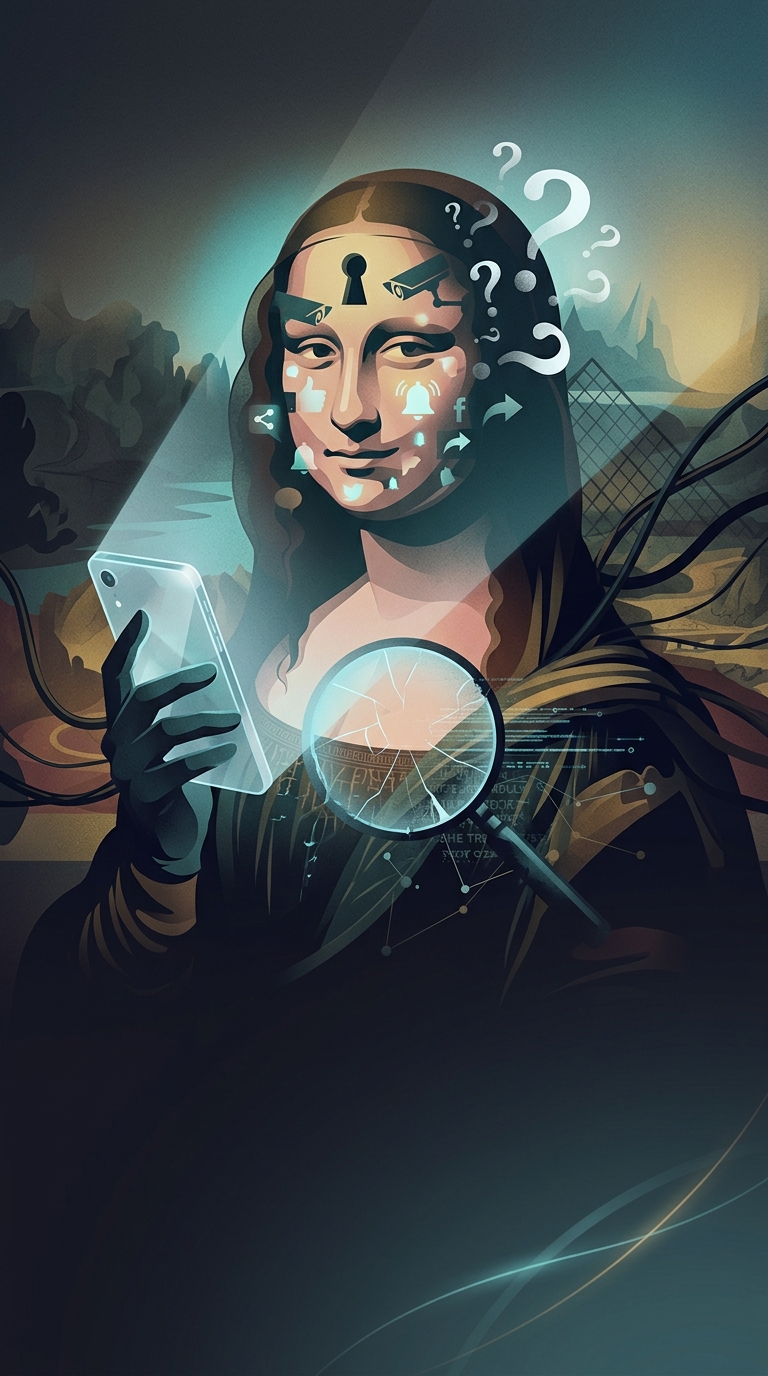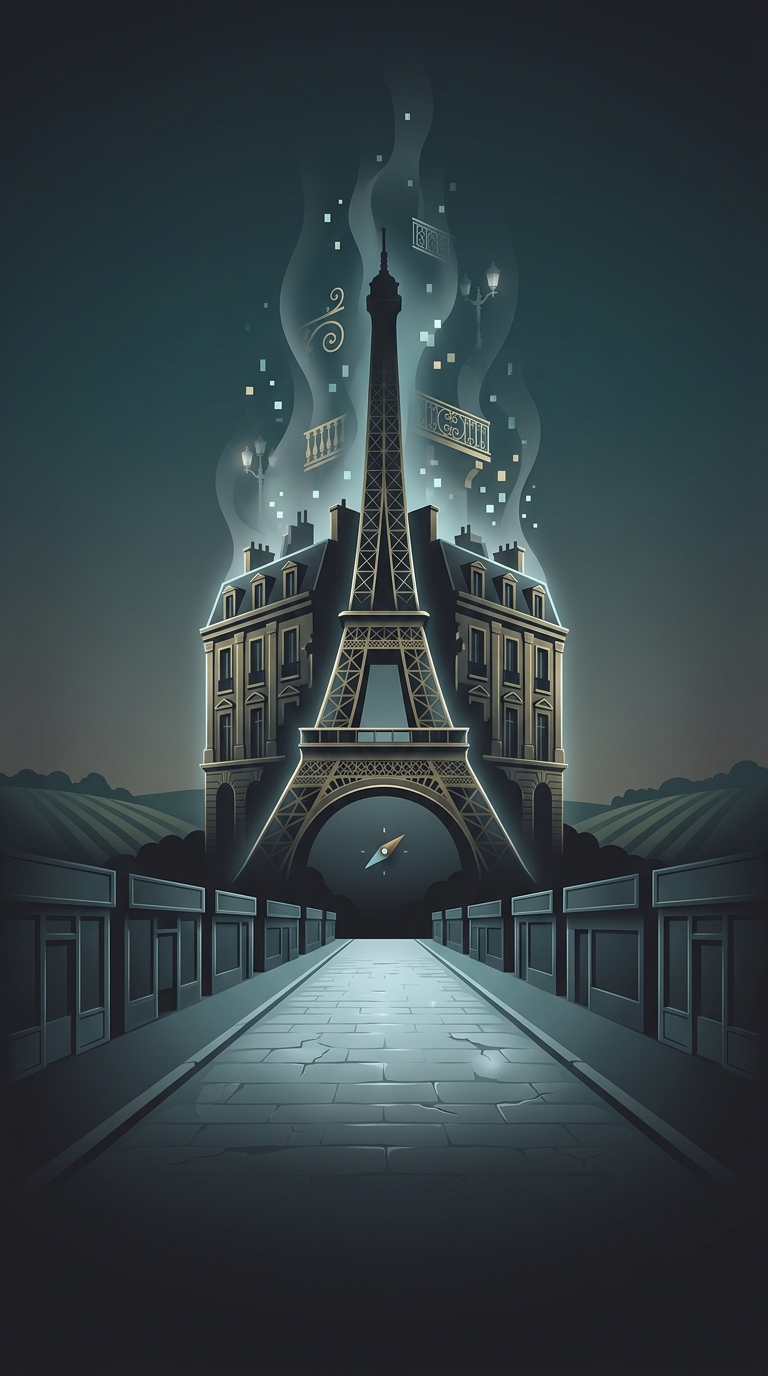
When an imagined city collides with the real one
Paris syndrome describes rare, severe distress reported by some visitors who find the city sharply at odds with what they expected. The label is not a formal psychiatric diagnosis, and it does not mean that ordinary disappointment is an illness. It refers to an intense reaction that can include confusion, panic, dizziness, or experiences that seem detached from reality.
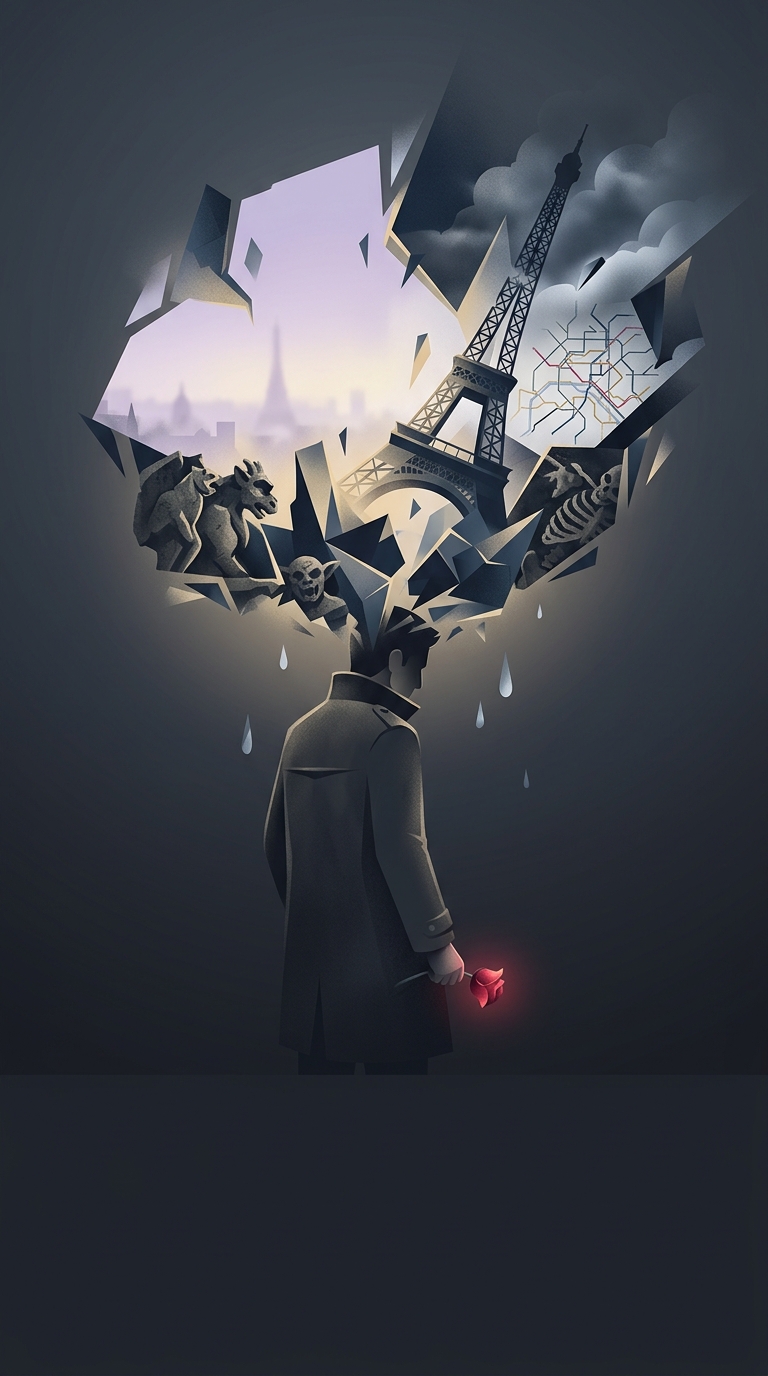
The shock is not simply that Paris has traffic or crowded sidewalks. A visitor may arrive with a carefully imagined version of the city, built from films, advertising, and stories, then face a noisy, unfamiliar place while navigating a different language and daily routines. The gap between expectation and experience can become more difficult to manage when someone is tired, isolated, or already under stress.
Why a city can feel overwhelming
Travel asks people to interpret unfamiliar cues all day: signs, social interactions, transport, and even the pace of a street. When those demands pile up, a person may become anxious or disoriented. A romantic image of Paris can intensify the contrast, but it is only one possible ingredient; the label should not be treated as proof that a single cultural expectation causes a crisis.
The term is most often associated with Japanese visitors, but that does not make Japanese travelers inherently more vulnerable. Language barriers, travel fatigue, personal health, and the pressure of a long-anticipated trip can all shape how someone responds. The reported cases are unusual, not a typical part of visiting the city.
The practical consequence of the mismatch
In a severe episode, the immediate need is support—not a debate about whether the city lives up to its image. Consular staff may help a distressed traveler contact family, find care, or arrange a return home. That response reflects how disruptive a crisis abroad can be: even a familiar destination becomes hard to navigate when someone is frightened or confused.
The useful lesson for travelers is modest but concrete: leave room for the ordinary city alongside the postcard one. A slower day, rest, and help from someone trusted can matter more than trying to force a real place to match an imagined version.