Why Pokémon Go spread faster than radio
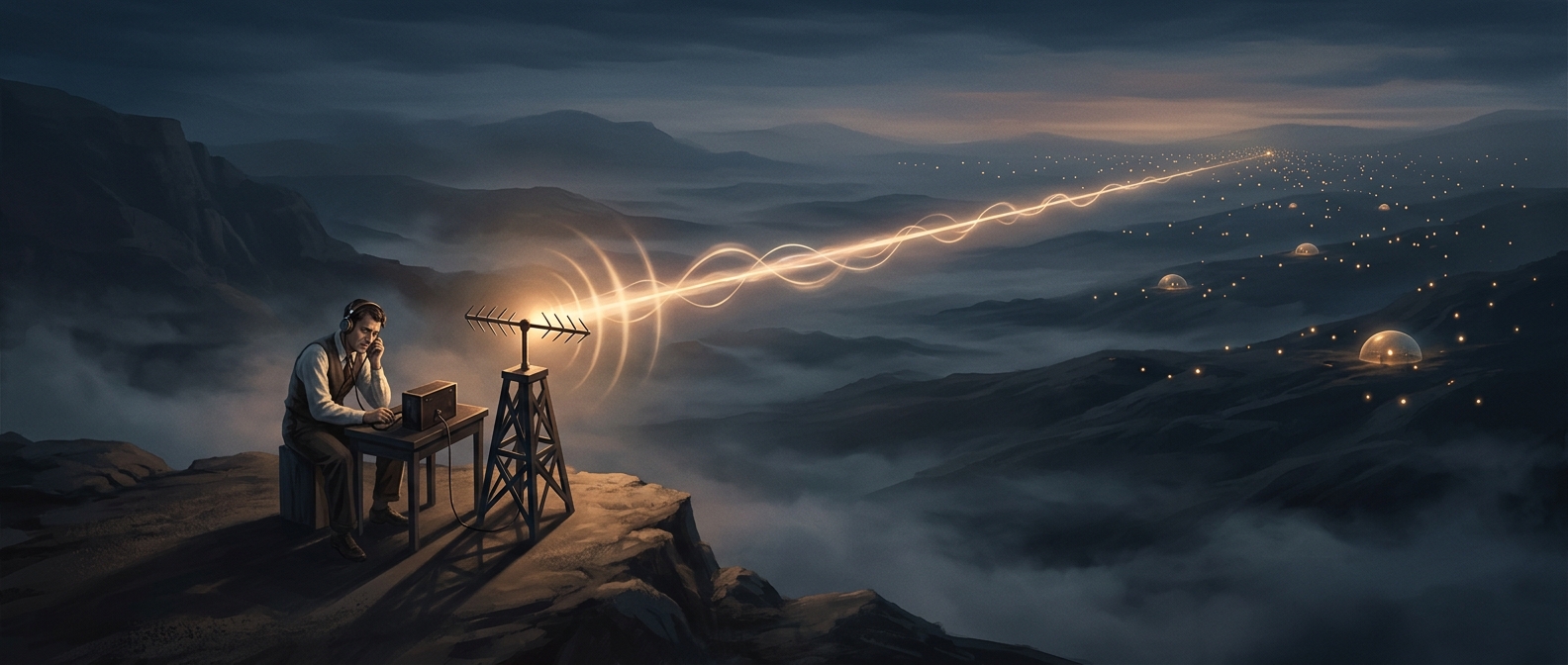
Pokémon Go did not need to build a new audience one household at a time. It arrived on smartphones people already owned, and players could download it through an app store in moments. Radio, by contrast, depended on a chain of physical infrastructure: stations had to be built, receivers had to reach homes, and broadcasting had to expand across regions. Each step took time.
That difference helps explain how Pokémon Go could reach 50 million users in under three weeks, while radio took decades to reach a comparable scale. Digital distribution lets a product appear in many places at once; it does not have to wait for a transmitter network to grow.
The game turned players into its distribution system
Pokémon Go also gave people a reason to talk about it and play in public. Its map-based play sent users to real-world locations, where other people could see the game in action. Friends could invite friends, share discoveries, or simply make the game more noticeable by playing together.
This is a network effect: a product can become more appealing or visible as more people use it. For Pokémon Go, a growing crowd was not just a larger audience. It made the game feel like a shared event, encouraging more people to try it.
A faster route to scale, not the same kind of reach
The comparison captures a change in how quickly a new product can find users. Radio’s growth required equipment and coverage to spread; a mobile game could ride on an established global system of phones, internet access, and app stores. The two milestones describe different kinds of reach, but the contrast is striking: a game could turn an existing network into a mass audience in weeks.
That is the lasting lesson of Pokémon Go’s launch: once the infrastructure is already in people’s pockets, a compelling idea can spread at the speed of a download—and of a conversation.