How a landmark becomes a turn instruction
A clock tower is useful for more than telling you where you are. It can cue a specific next action: pass it, turn at the following street, then watch for the bridge. The building and the instruction become linked in memory, so seeing the feature brings the next step to mind without requiring you to calculate a direction from a map.
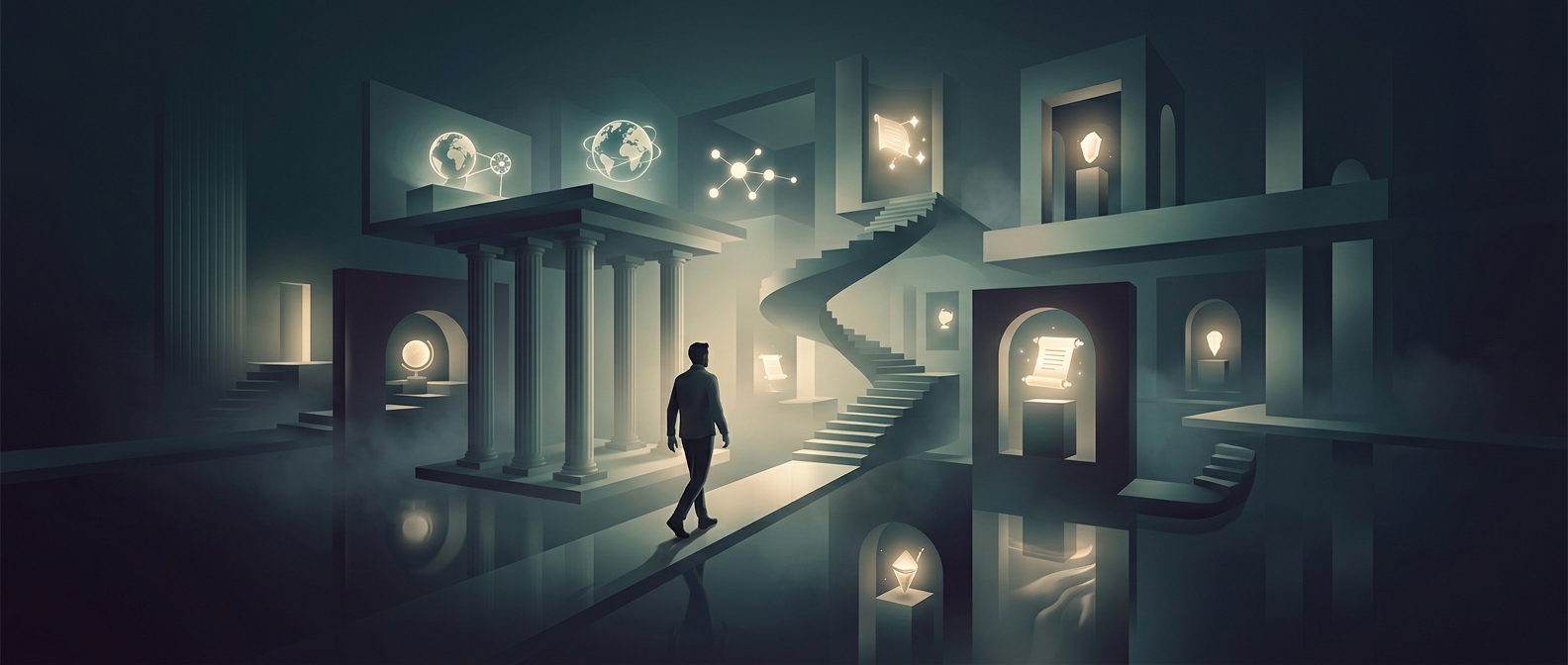
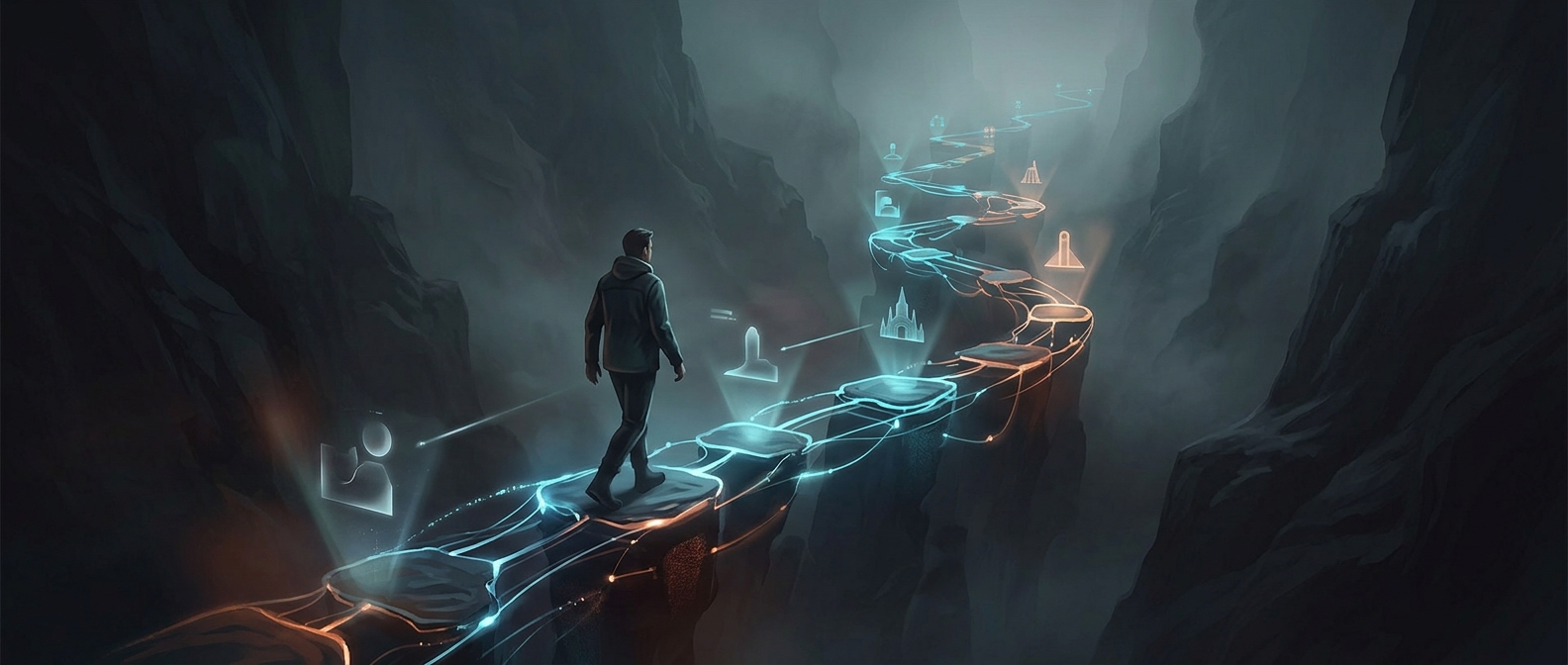
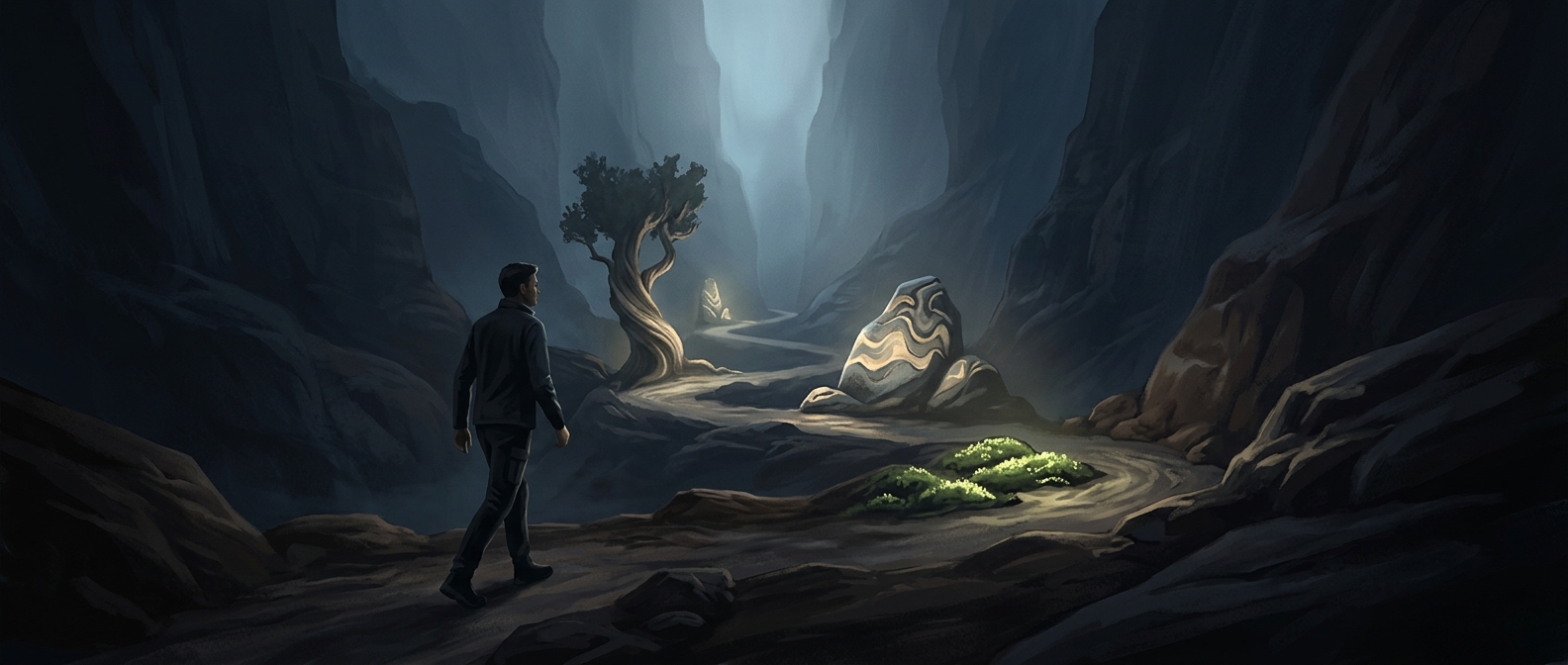
This is recognition-based navigation: choosing what to do by matching the surroundings to familiar visual features. A route can be stored as a chain of cues and actions—spot the tower, turn; reach the bridge, cross. Each recognized feature helps carry the traveler to the next one.
Why a missing cue disrupts the route
The method works best when the expected feature is visible and distinctive. If construction hides the tower, fog obscures the bridge, or several streets look alike, the cue no longer tells the traveler which move was intended. The person may still know the destination, but has lost the immediate prompt that connects the current spot to the next turn.
That is different from using a broader mental map, which represents how places relate to one another and can help someone improvise when a familiar route changes. Landmark-following is efficient because it avoids continually planning the whole journey—but it can be brittle when a key feature disappears. A route that feels effortless in clear conditions may suddenly demand active orientation at the very corner where the usual visual reminder should have been.