A portal that checks who is passing through
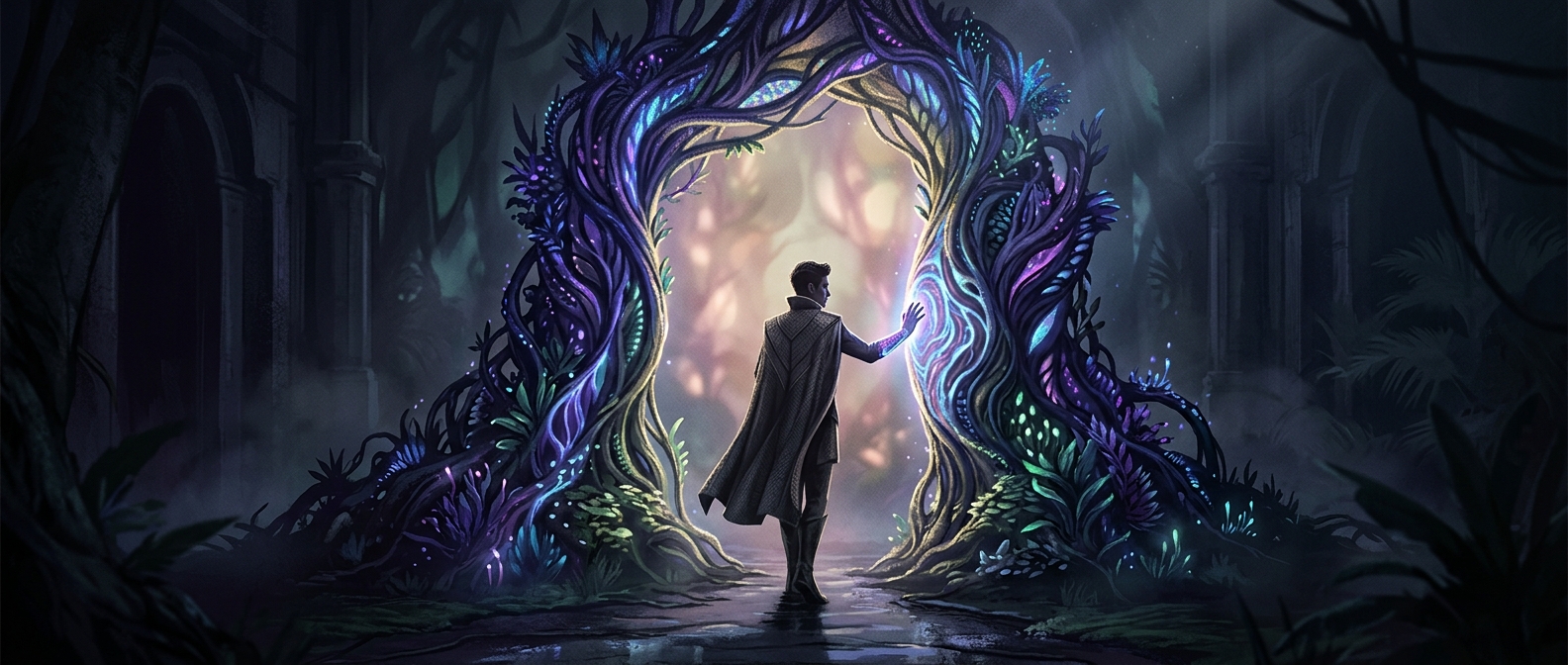
A Krakoan gate is more than an opening between two places: it is a living checkpoint. Before it provides passage, it recognizes a mutant’s biological signature—a built-in identifier tied to the traveler’s body. That makes the gate’s rule automatic. A mutant can approach and pass through; someone without the required signature is refused, even if they know where the gate leads.
The biology is also the access system
Ordinary transport separates the vehicle from the ticket or checkpoint that controls entry. Krakoa combines those jobs in one organism. The same living portal that enables travel also decides who may use that route. Its selectivity is therefore not just a security feature added to a transportation network; it is part of how the network works.
That changes what a gate means. For an authorized traveler, it can make distant destinations feel connected by a single doorway. For everyone else, the same doorway marks a boundary they cannot cross. Access depends not on buying a ticket or persuading an attendant, but on whether the traveler’s biology matches the gate’s requirements.
Convenience for insiders, a boundary for others
This arrangement makes movement through Krakoan gates both remarkably direct and deliberately limited. The gate does not need to question a traveler or weigh their reasons: its living recognition system sorts access at the threshold. That can make mutant travel feel effortless while underscoring that the route is not public infrastructure.
The striking consequence is that Krakoa’s transportation system doubles as a definition of belonging. A doorway can connect two places in an instant—and, with the same biological check, make clear who is allowed to belong on that journey.