Why Asuras Rival the Devas
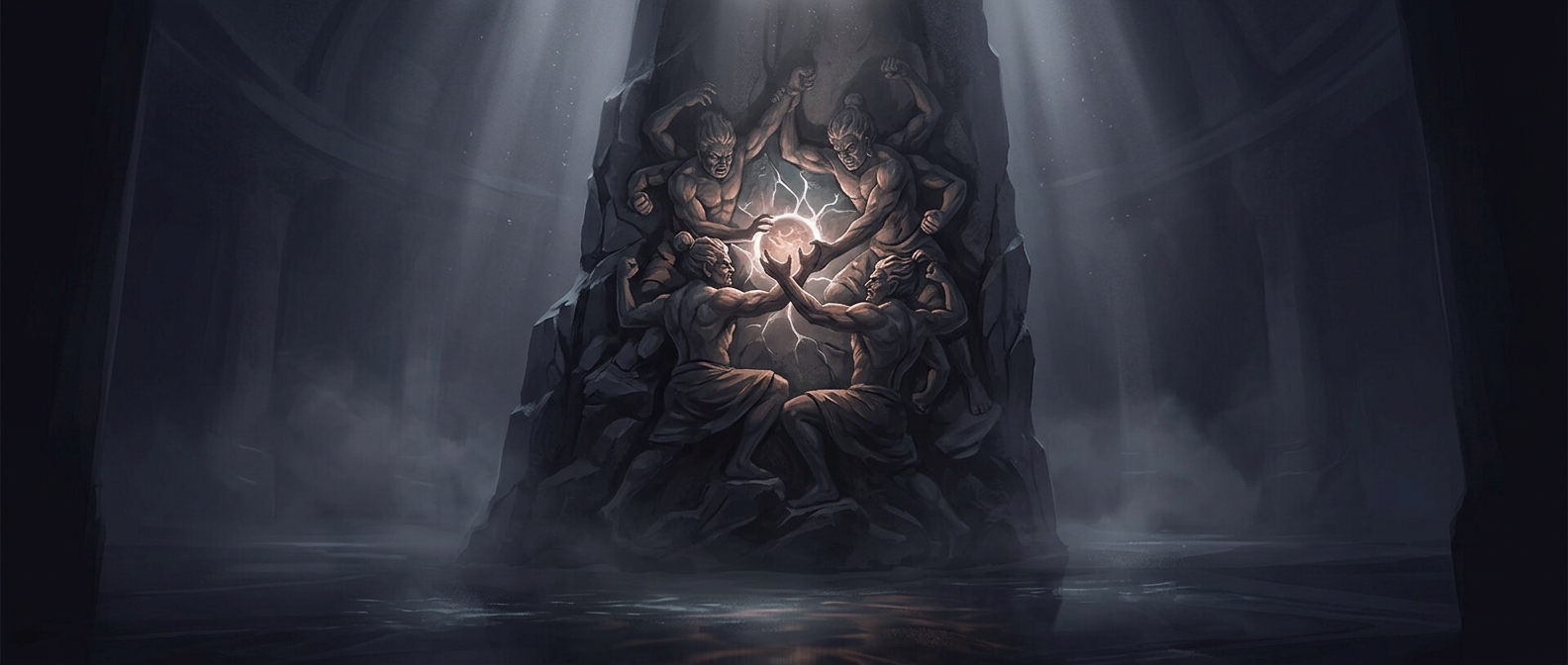
“Asura” does not describe exactly the same kind of being in every Indian tradition. In many Hindu stories, asuras are powerful opponents of the devas—the gods associated with heaven and cosmic order. The conflict is often about more than a simple contest between good and evil: asuras can be formidable and disciplined, while the devas’ position is not always secure or morally uncomplicated.
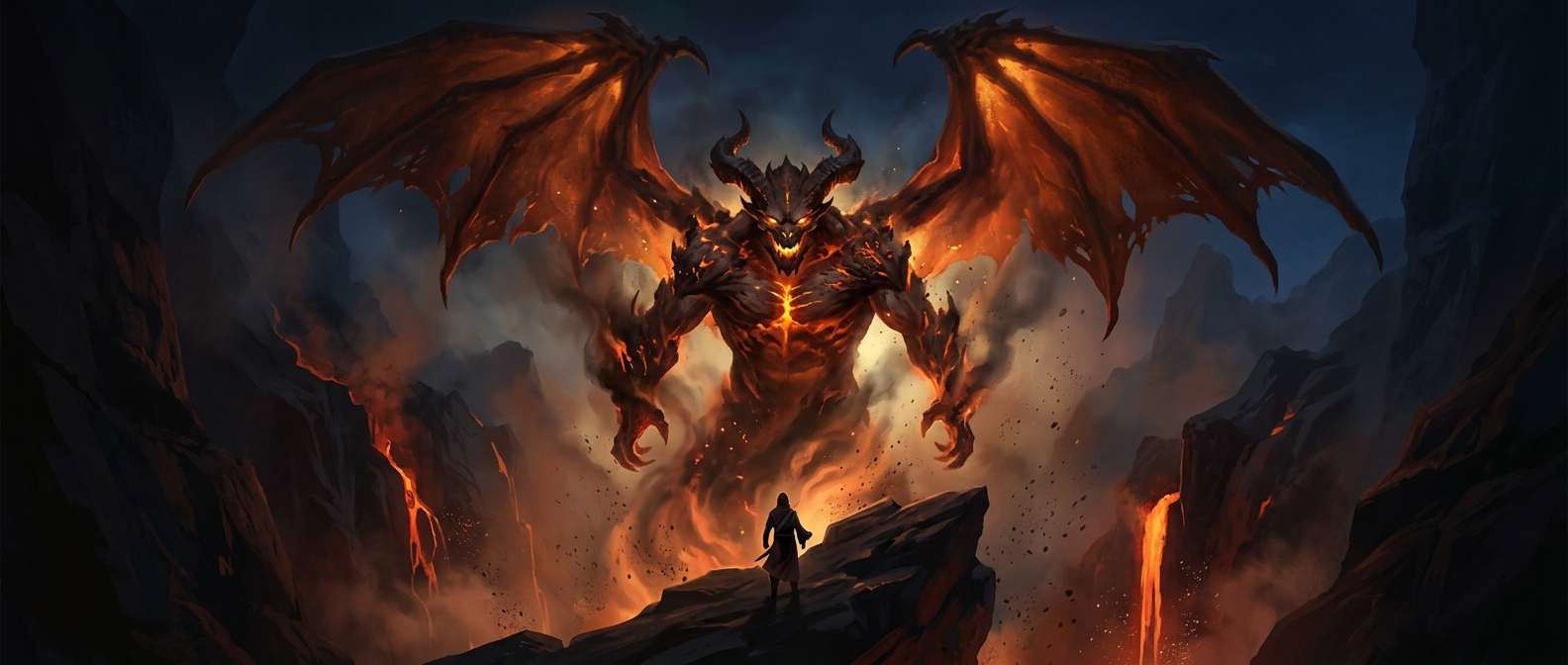
The rivalry turns power into a cosmic question. Asuras seek authority, victory, or a share of divine privileges; the devas fight to preserve their own standing. Their wars give mythic form to a recurring danger: strength and ambition can win influence without settling who deserves to rule.
A Story of Cooperation—and Conflict
The churning of the ocean, told in Hindu myth, makes that tension especially clear. Devas and asuras work together to churn the cosmic ocean in search of amrita, the nectar of immortality. The partnership is necessary to accomplish the task, but the prospect of gaining immortality turns cooperation into a struggle over who will receive the reward.
That plot helps explain why asuras are remembered as rivals rather than merely as monsters. Their desire for power drives the action, but it also exposes how fragile alliances become when the prize can change the balance of the universe. In Buddhist cosmology, too, asuras are often associated with jealousy and contention, though the details and meaning vary across traditions. The lasting image is not just a battle in the heavens, but a fight over who gets to keep power once it has been won.